THE UNIFORMED DIPLOMAT: How Pakistan’s Army Chief Became the Critical Bridge Between Trump and the Ayatollahs
With the ceasefire set to expire on April 22, Munir is under immense pressure. While Washington is optimistic, skepticism remains high in Jerusalem, given Pakistan’s lack of diplomatic ties with Israel, and among hardliners in Tehran who view the "Uniformed Diplomat" with suspicion.
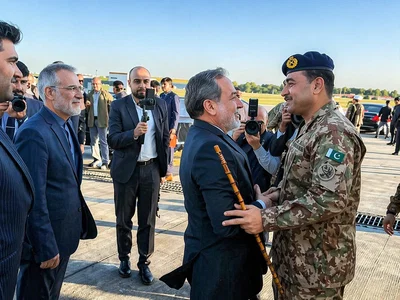
As the Middle East teeters between a permanent settlement and a return to total war, an unexpected figure has taken center stage. General Asim Munir, the Chief of Army Staff of Pakistan, has moved from the battlefield to the negotiating table, acting as the primary conduit between the Trump administration and the Iranian regime. On Wednesday, General Munir visited Tehran carrying a "new message" from Washington. Following the collapse of previous rounds, Munir is now expected to fly directly to the United States to coordinate the next high-stakes summit.
Diplomats describe Munir as a rare figure: a world leader whom President Trump consistently praises. This relationship is built on more than just military cooperation, as Munir reportedly built a unique rapport with Trump’s inner circle, even facilitating connections with the Trump family’s crypto venture, World Liberty Financial. Trump recently lauded Munir’s "great work" in managing the Islamabad talks, signaling that American negotiators are ready to return to Pakistan for further rounds.
Munir originally rose through less prestigious training institutions, eventually heading the powerful ISI intelligence agency. In 2018, he was unprecedentedly ousted by then-PM Imran Khan after less than a year in the role. However, following Khan’s removal in 2022, Munir returned to the spotlight, eventually taking command of the military, the true seat of power in Pakistani politics.
Munir is now utilizing the Pakistani military’s long-standing institutional ties with Iran’s Revolutionary Guard to bridge massive gaps. Working alongside mediators from Egypt, Turkey, and Saudi Arabia, he is tackling the primary obstacles of the nuclear deadlock, security in the Strait of Hormuz, and financial war reparations.