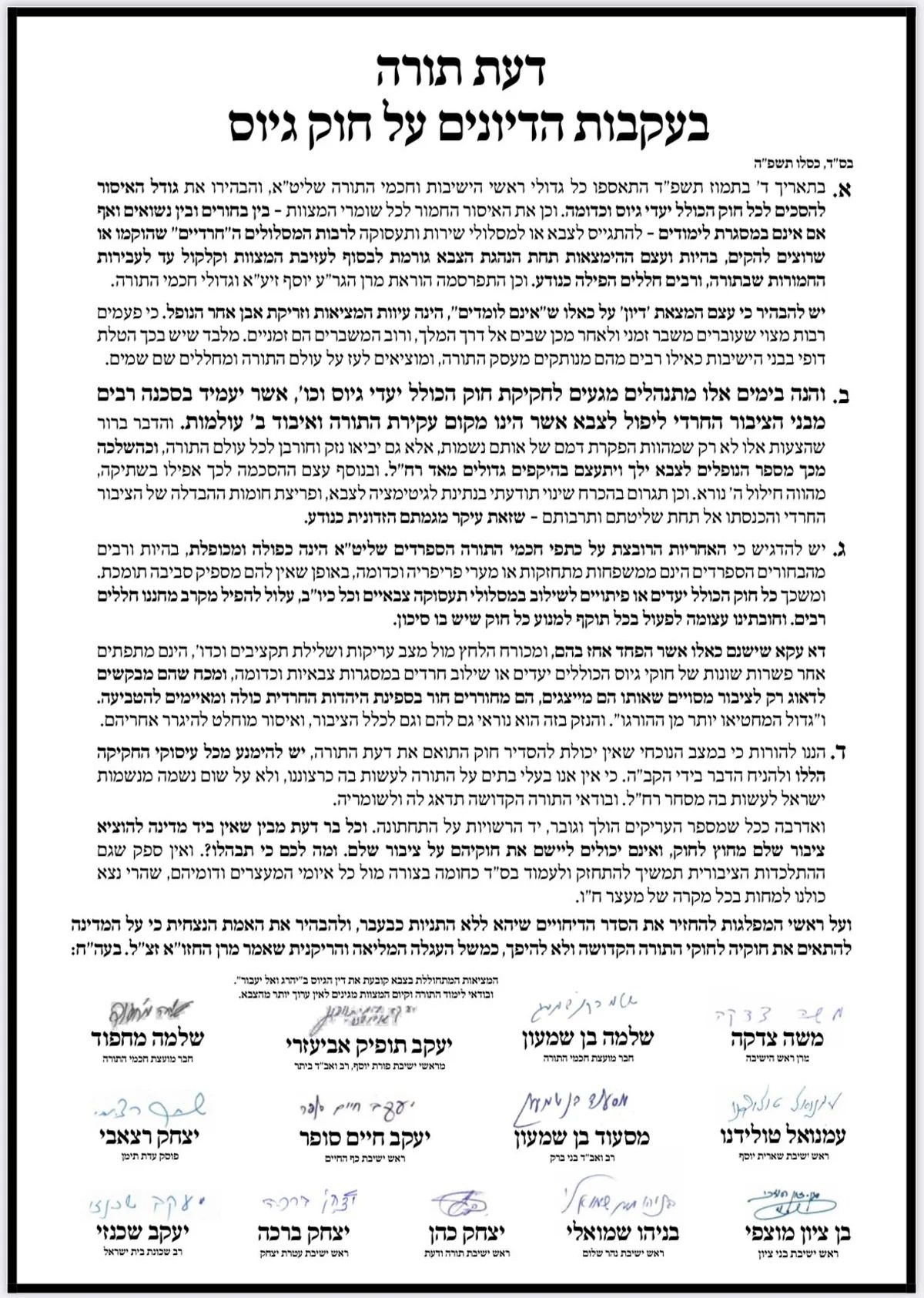
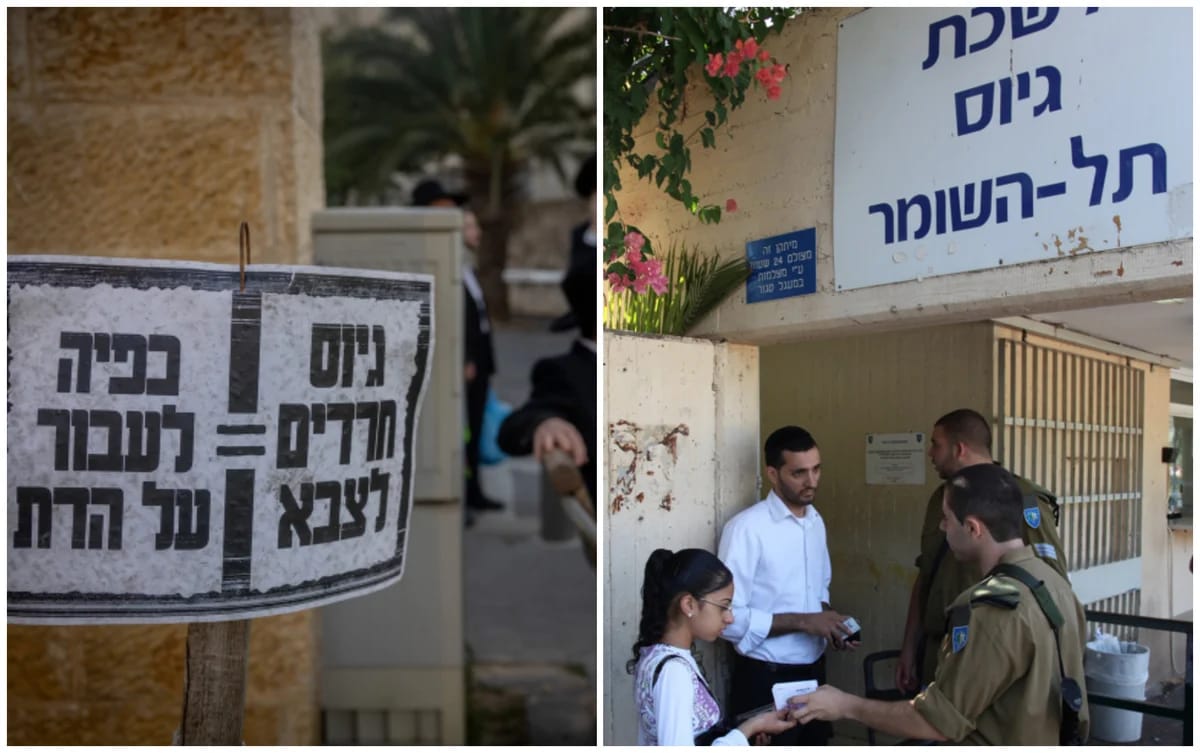
In a development that has sparked controversy within Israel's complex military-religious landscape, the IDF's newly established Hashmonaim unit is facing significant recruitment challenges, despite substantial investments in attracting ultra-Orthodox recruits.
The tension came to light Thursday when Army Radio journalist Yuval Segev reported that ultra-Orthodox candidates who had already passed screening for the established Chetz unit were being pressured to switch their enlistment to the newer Hashmonaim brigade. Some candidates have alleged they faced "heavy pressure and threats" to make the switch, raising concerns about recruitment practices within the military's ultra-Orthodox integration programs.
"We chose Chetz based on our personal impression of that specific unit," said one of the affected recruits, highlighting the growing friction between the military's established and newer ultra-Orthodox frameworks.
The controversy has drawn political attention, with Yesh Atid's MK Yoav Segelovich announcing plans to bring the matter before the Knesset's Foreign Affairs and Defense Committee.
Even Segev, known for his critical reporting on ultra-Orthodox enlistment issues, noted on social media that such tactics would ultimately prove counterproductive to the IDF's recruitment goals.
What is the difference between the Chetz Unit and the Hashmonaim brigade?
Within Israel's elite Paratroopers Brigade, the Chetz Company enables religious men aged 18-21 to serve as full-fledged combat soldiers while maintaining their religious way of life. What makes Chetz unique is how it manages to run as a fully operational combat unit while accommodating religious requirements - proving that with the right framework, military excellence and religious observance can go hand in hand.
The Hashmonaim Brigade is a stand-alone ultra-Orthodox unit, which combines Torah studies with meaningful service. It has extremely strict rules, which it uses to ensure that the recruits will maintain their levels of religiosity even during their army service.
Where Chetz integrates ultra-Orthodox soldiers into a regular IDF combat unit (Paratroopers), Hashmonaim is a completely separate ultra-Orthodox framework. Also, Chetz has been established longer, while Hashmonaim is a newer initiative (which connects to the earlier article about recruitment tensions between these units). Lastly, Chetz seems designed for younger, single men willing to join mainstream military units, while Hashmonaim appears more accommodating to a broader range of ultra-Orthodox lifestyles with its Torah study integration and stricter religious policies.