Long before modern marketing and corporate logos, communities in the ancient world may have understood the power of a recognizable product. A new archaeological study suggests that artisans in a desert oasis created what functioned as an early form of branded goods more than three millennia ago.
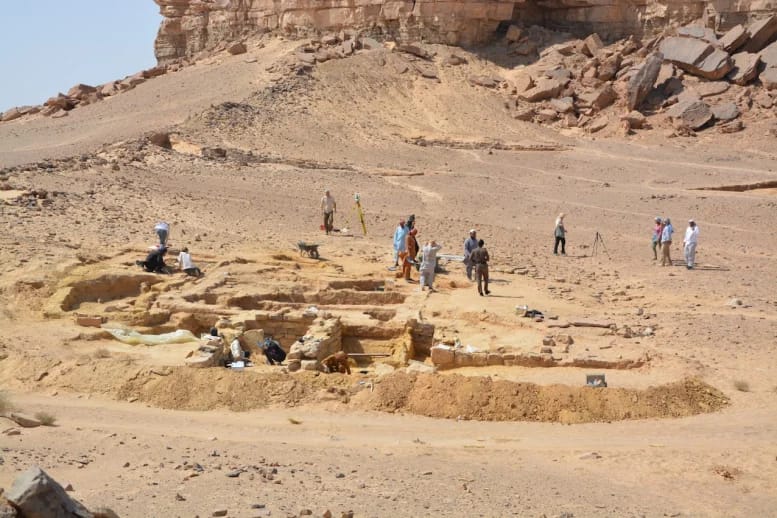
An international research team led by Professor Marta Luciani of the University of Vienna examined painted pottery vessels discovered at Qurayyah, a desert oasis in northwestern Saudi Arabia. Their analysis revealed that these ceramics carried a consistent visual and technological identity that made them recognizable far beyond their place of origin.
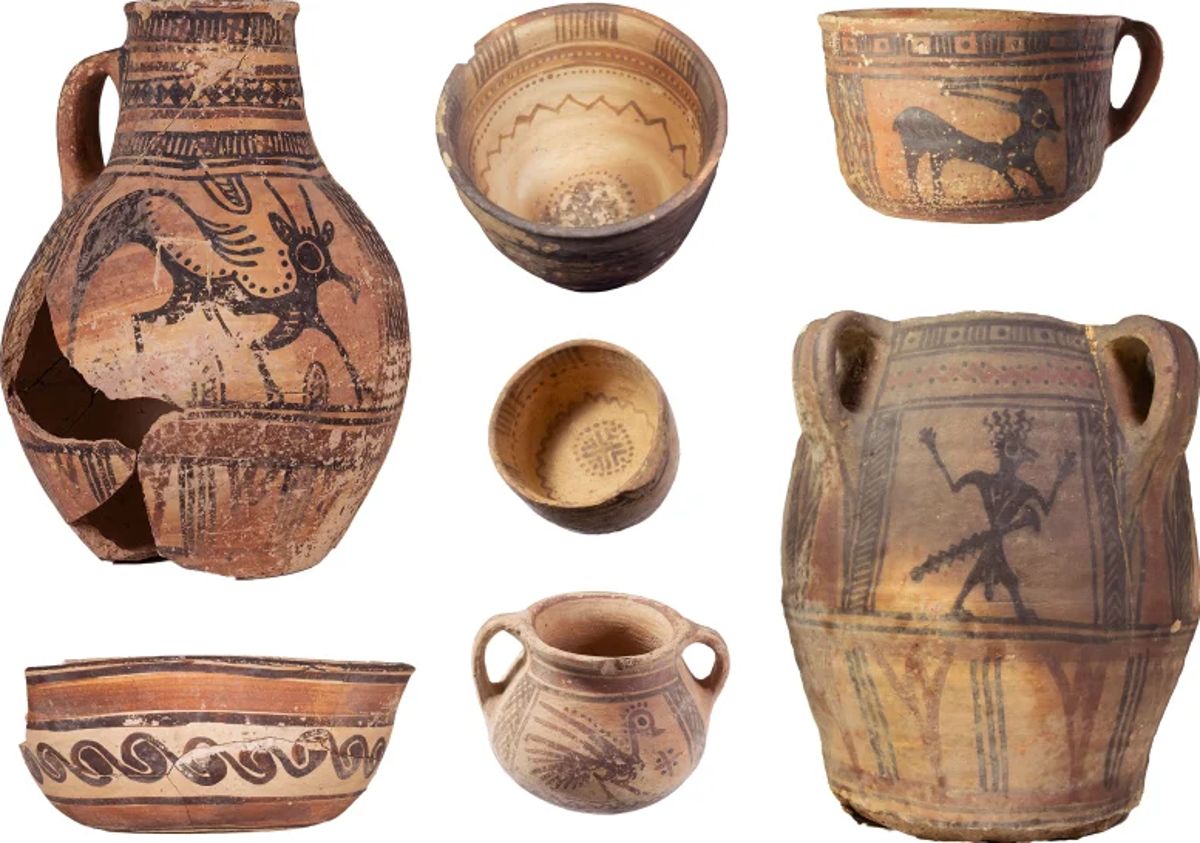
The pottery, now termed Qurayyah Painted Ware, previously known in scholarship as "Midianite pottery", features distinctive colorful decorations including animal figures, human forms, and what appear to be ritual scenes. For years, scholars debated where exactly these vessels were produced, but the new research provides strong evidence that Qurayyah itself was the manufacturing center.
The research team analyzed dozens of Bronze Age vessels using multiple methods. They examined manufacturing techniques, studied the clay composition under microscopes, and conducted chemical analysis to identify trace elements in the material. This combination allowed researchers to create a chemical "fingerprint" for the vessels and compare them systematically.
The most intriguing finding concerns how this local ceramic tradition developed. Production of painted pottery at Qurayyah began approximately 3,600 years ago, and over several centuries the style evolved while maintaining its core characteristics. After about 400 years, a particularly rich variety of decorations emerged, including animals and scenes apparently depicting human rituals.
According to the researchers, at this stage the vessels already displayed several characteristics reminiscent of modern branding: a recognizable appearance, consistency in raw materials, continuity in production methods, a defined manufacturing center, demand outside the original region, and even local imitations of the product.