Get our mobile app
Download on the App StoreGet it on Google Play

Perspective

History's worst counsel

From the Trojan Horse to Napoleon's Russian winter: a reminder that bad advice has toppled empires, killed millions — and that today's scandals pale beside the disasters of the past

The men in the shadows

The testimony of Israel's attorney general Avichai Mandelblit in Prime Minister Netanyahu's trial brings to mind a historical truth: the fate of nations and empires has been decided not only on the battlefield, but first and foremost in the whispers that leaders heard from their closest advisers.

When a leader chooses to adopt what the Tanach calls "the counsel of Achitophel", usually out of strategic blindness, arrogance or detachment from reality, the result in most cases is a national disaster preserved in the historical record as a warning for all time.

A modern Trojan horse and a Roman emperor
A modern Trojan horse and a Roman emperor (Shutterstock)

Ancient and terrible counsel

The tendency to listen to advisers who, in hindsight, counselled disaster began at the dawn of history. The leaders of Troy chose to ignore explicit warnings and brought a giant wooden horse within their walls, believing it to be an innocent gift to the gods. What has been known ever since as a "Trojan horse" led to the city's total destruction.

Centuries later, during the Roman civil war in 48 BCE, Pompey the Great listened to his advisers and abandoned his clear naval advantage over Julius Caesar in favour of a land battle at Pharsalus. Giving up the fleet cost him a crushing defeat, flight to Egypt and ultimately his life. Sometimes it is better for a leader of Pompey's stature to decide alone, and if he succeeds, he will likely praise himself and, if he is generous, his government as well; if he fails, he will hang the adviser from a tree. As the saying goes: success has many fathers; failure is an orphan.

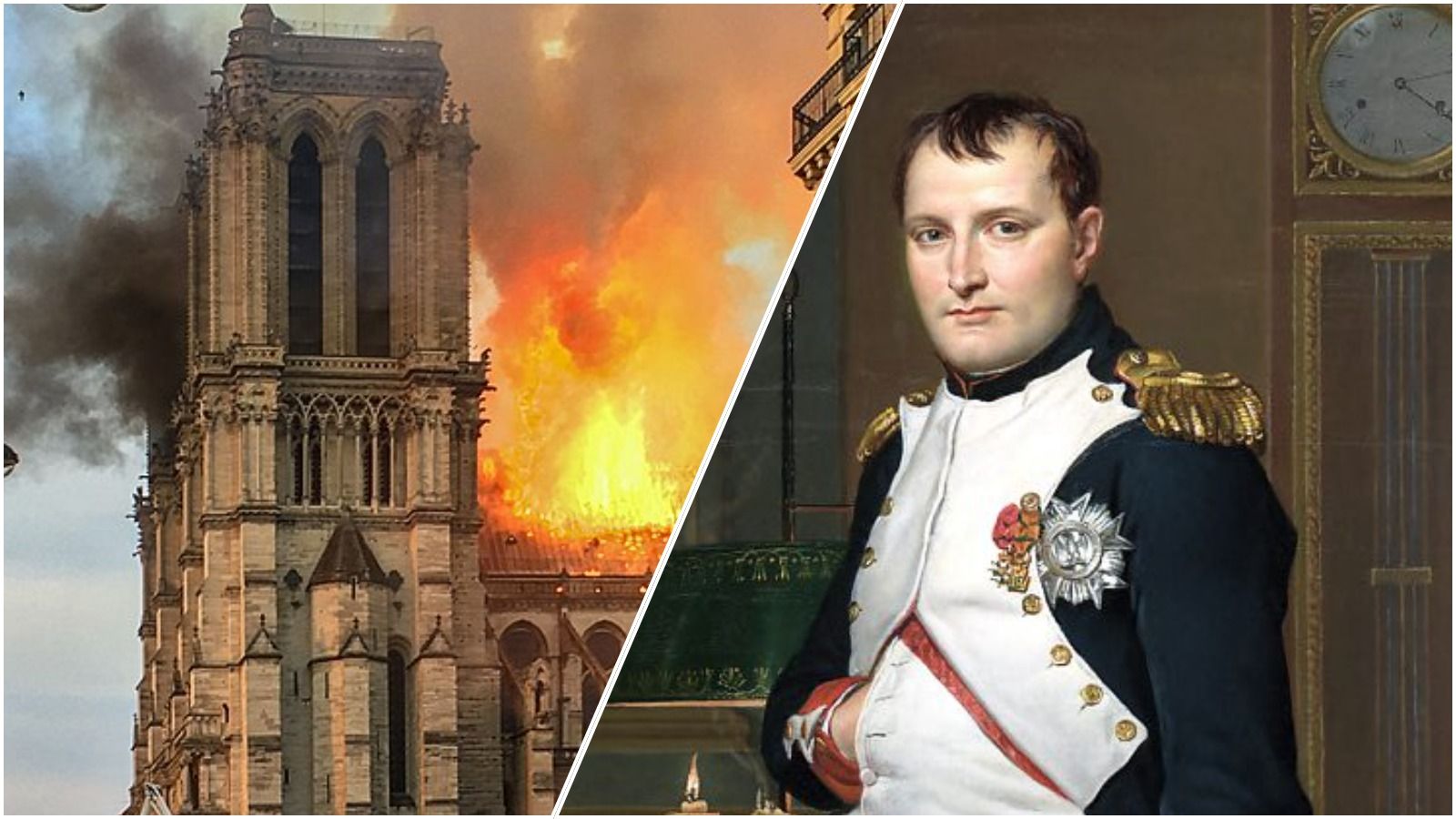
Napoleon and the burning of Notre-Dame Cathedral
Napoleon and the burning of Notre-Dame Cathedral (Photo: LeLaisserPasserA38, Wikipedia CC BY-SA 4.0 / Painting by Jacques-Louis David)

Counsel of the modern and sophisticated age

In the modern era, too, detachment from reality and the arrogance of advisers led to the fall of illustrious dynasties. In pre-revolutionary France in 1789, King Louis XVI and the nobility chose to ignore severe famine and economic crisis, and continued to impose heavy taxes on the lower classes, blindness that ultimately led to their heads being severed by the guillotine (and gave the world a slightly garbled phrase attributed to Marie Antoinette: "Let them eat cake").

A decade and a half later, in 1812, Napoleon Bonaparte, the short-statured French leader, relied on tall military advisers who underestimated Russian resilience and the ravages of the snowy winter. Napoleon led a disastrous invasion that marked the beginning of the end of his rule, and proved to everyone that what you see from here, that is, from the battlefield, you do not see from there, from the bases of arrogant generals.

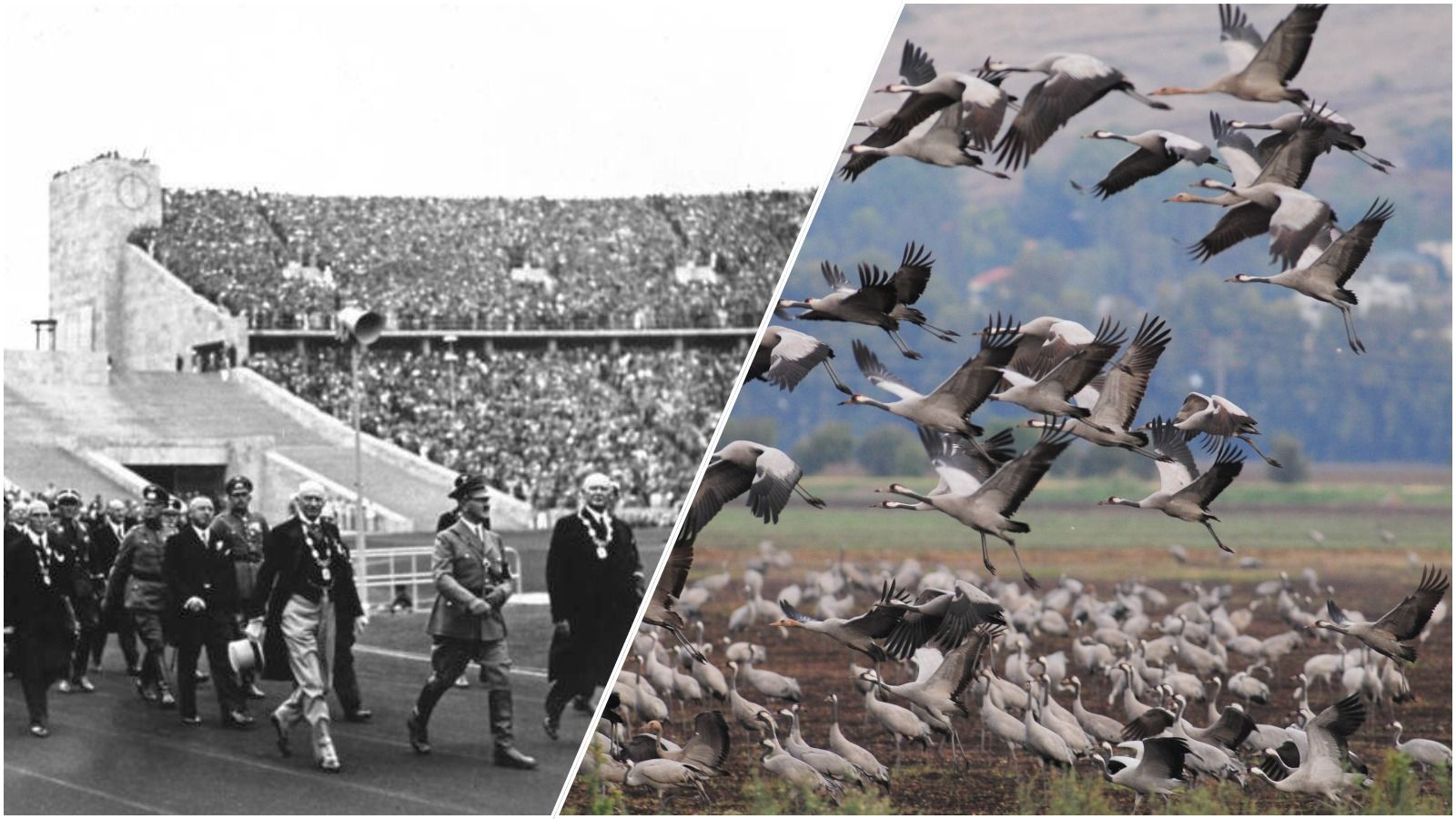
The Nazi tyrant, may his name be erased, and migrating birds
The Nazi tyrant, may his name be erased, and migrating birds (German Federal Archive / Hamed Almakt / Flash90)

Modern and deadly times

The twentieth century supplied the most lethal counsel in human history. Russian Tsar Nicholas II listened to his wife and to Rasputin, who urged him to suppress with an iron fist any demand for reforms, a course that led to the Bolshevik Revolution and the liquidation of his dynasty.

In the 1930s, France invested a fortune in the Maginot Line while ignoring the fact that Germany would simply bypass it in 1940. Britain, meanwhile, adopted Neville Chamberlain's counsel to appease Hitler in the Munich Agreement of 1938, a step that only hastened the outbreak of the Second World War. In that war, Hitler himself repeated Napoleon's mistake and invaded Russia in 1941; the cold enemy known as "General Winter" became a turning point in the war against the modern enemy of the Jews, may his name be erased, though the decline of his regime was, tragically, far too slow.

The heaviest economic and social disaster occurred in China in 1958, when advisers convinced the leader and general Mao Zedong to exterminate all the sparrows in his country's skies. The disappearance of the sparrows in China led to an explosion in the locust population and to a severe famine in which tens of millions of people starved to death.

The bottom line: the consequences of the counsel given by advisers in the past were far worse than those of today's advisers. But it is worth learning from this that sometimes it is better to throw the advice into the recycling bin and go with your heart, with the comforting knowledge that, unlike in the past, your adversary will not receive it on a silver platter.


Ready for more?

Join our newsletter to receive updates on new articles and exclusive content.

We respect your privacy and will never share your information.

Enjoyed this article?

Yes
No
Follow Us:

Unmissable content


Loading comments...

Also of Interest