More than two thousand years after it sank, an ancient warship discovered off the city of Phanagoria on the Black Sea coast is providing a rare glimpse into the fleet of one of ancient Rome's most stubborn enemies: King Mithridates VI, ruler of the Kingdom of Pontus.
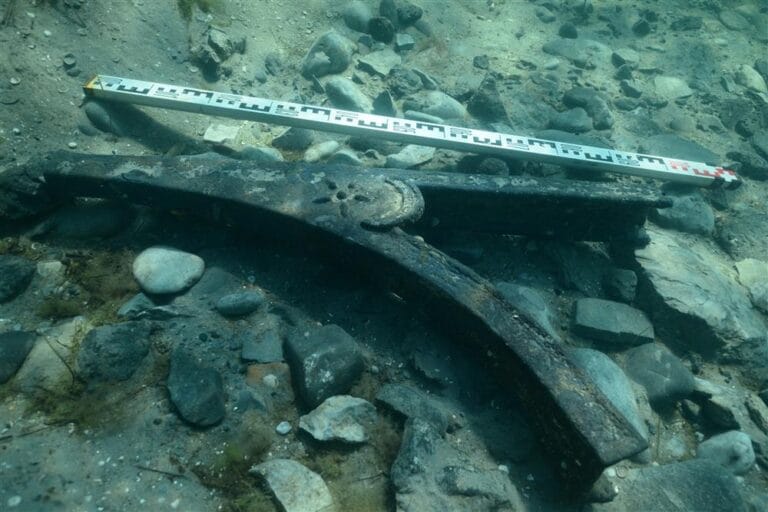
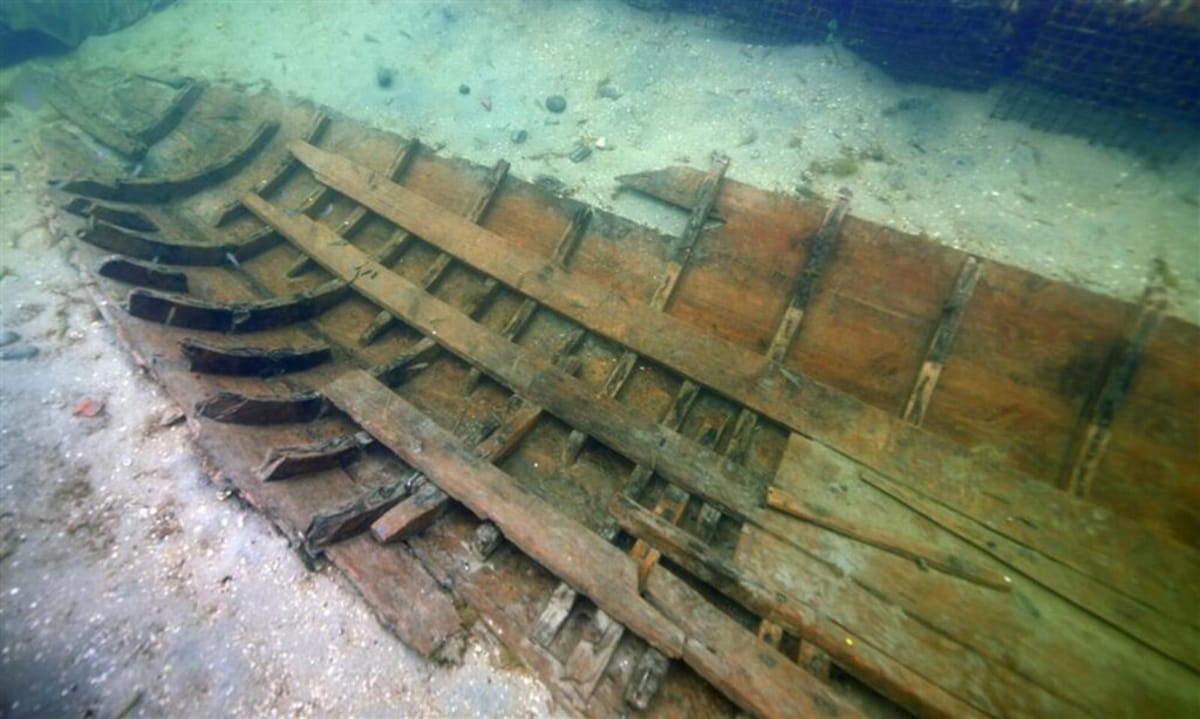
The ship's remains were first discovered in 2012 during underwater excavations in the area of the ancient port. About 16 meters of its wooden hull were preserved beneath more than a meter and a half of seabed sediment. Carbon dating pointed to the middle of the first century before the Common Era, and a bronze battering ram found at the site bore decorations of stars and crescents, symbols that linked the ship to the era of Mithridates.
According to the Institute of Archaeology of the Russian Academy of Sciences, this may be a ship from Mithridates' fleet that caught fire during a revolt that broke out in Phanagoria in 63 BCE. The ship was found about 120 meters from shore, in an area where evidence of destruction linked to that same revolt has also been found.
Mithridates VI is considered one of the Roman Republic's most formidable rivals. Beginning in 88 BCE, he waged a series of three wars against Rome, during which he faced off against the generals Sulla, Lucullus and Pompey, among others. His fleet played a central role in the struggle for control of the Black Sea region and the eastern Mediterranean.
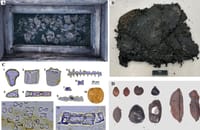
Now a new scientific study of the finds is providing surprising details about how the ship was built. The researchers examined 23 metal items, including 22 nails or nail fragments. The tests revealed that many of them were made of copper or copper alloys, even though iron was cheaper and available to shipbuilders of the period. According to the researchers, the choice of copper likely reflects an attempt to extend the life of the vessel and reduce damage to it in the marine environment.