
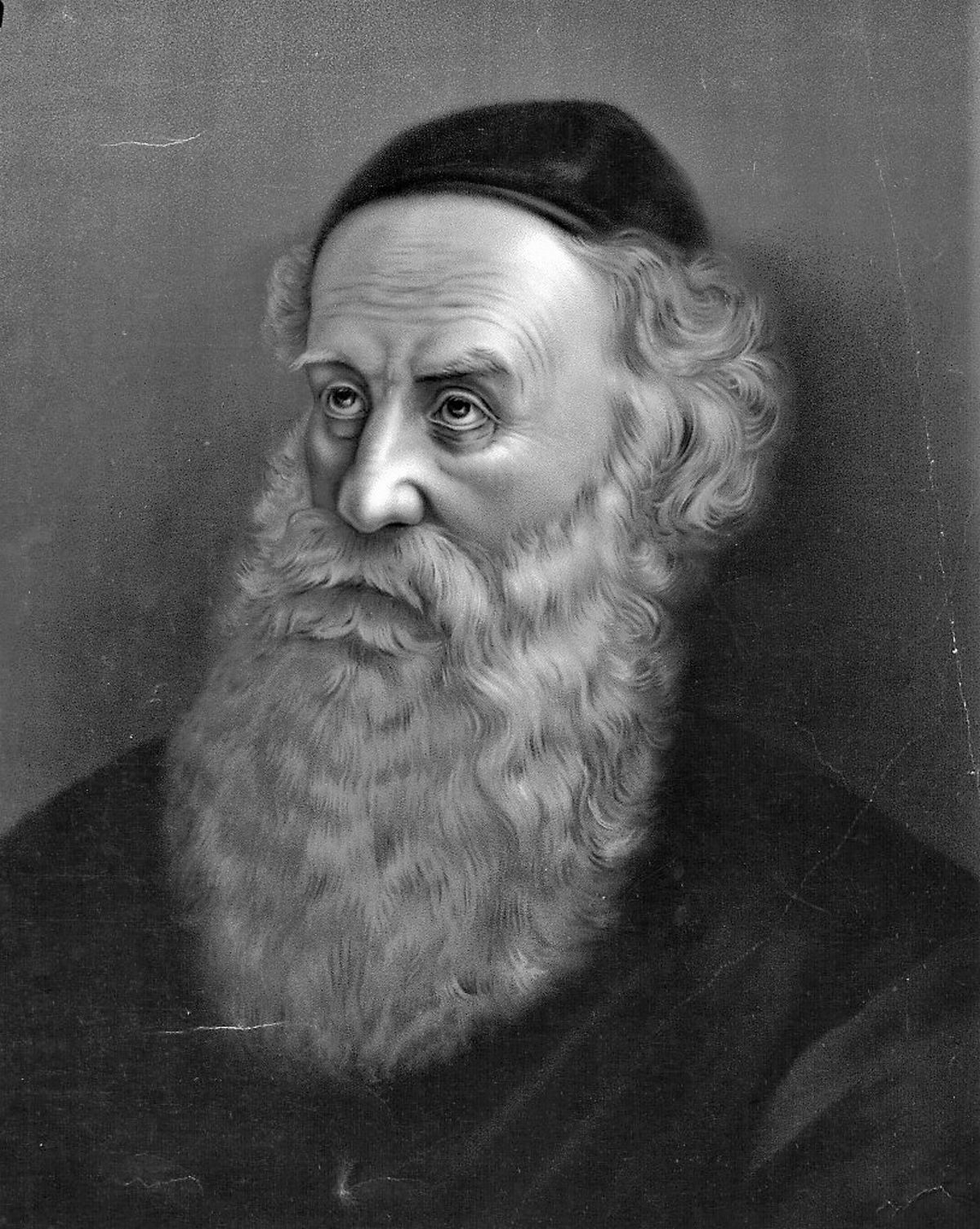
One of the most striking teachings of the Alter Rebbe, Rebbe Schneur Zalman of Liadi, is also one of the simplest: every Jew carries within them an eternal spark, a piece of divine light that cannot be diminished, stained, or lost. It’s not poetic embellishment. It’s a radical statement about identity and responsibility, and it cuts straight through the layers of cynicism, factionalism, and exhaustion that define too much of our communal life.
The Alter Rebbe insisted that this spark is not something a person earns. It doesn’t depend on learning, observance, or background. It is fixed at the core of every Jewish soul, utterly equal in its essence. If that is true, then the way we look at one another has to change. We can’t talk ourselves into believing that another Jew is beyond reach or beneath concern. We don’t get the luxury of writing people off. The divine spark demands that we approach every person with a baseline of reverence.
Unity, in this framework, isn’t negotiated. It’s inherent. The soul, the Alter Rebbe teaches, is one root branching into many bodies. The divisions we obsess over belong to the outer layers: personality, ideology, tribe, trauma. The inner layer, the spark itself, is indivisible. If we actually let that idea guide how we treat each other, we would argue differently, disagree differently, and show up for one another with a seriousness that’s mostly missing from our public life.
The Alter Rebbe’s point isn’t that everyone is perfect. He understood human weakness as clearly as anyone. His insistence on the soul’s eternal spark is not an excuse to overlook wrongdoing, but a mandate to see people in full. Even in moments of conflict, even when someone stumbles, they are not reduced to their worst impulses. Their core remains intact. And because their core remains intact, they are always deserving of care, dignity, and the possibility of return.
This teaching feels almost countercultural today. The instinct to divide comes easily. The instinct to claim moral or ideological superiority comes even easier. But the Alter Rebbe asks something harder of us. He asks us to let the eternal spark be the anchor of how we relate to one another. To see that spark in the stranger. To remember it in the friend who disappointed us. To honor it in the person whose views provoke us. To believe that beneath everything, there is a point of unity that has never fractured.
If we took that seriously, even a little, our community would look different. Our politics would soften. Our debates would sharpen in substance but cool in temperature. And our sense of shared destiny would stop feeling like a slogan and start feeling like what it truly is: a spiritual reality waiting for us to live up to it.