Multicultural collaboration

From China to Your Bar Mitzvah: How a Chinese Man Became a Kippah Millionaire

In a small workshop in southern China, a textile supplier named David has built an unexpected business stitching velvet, satin and embroidery thread into an item rarely associated with Chinese culture: the humble kippah.

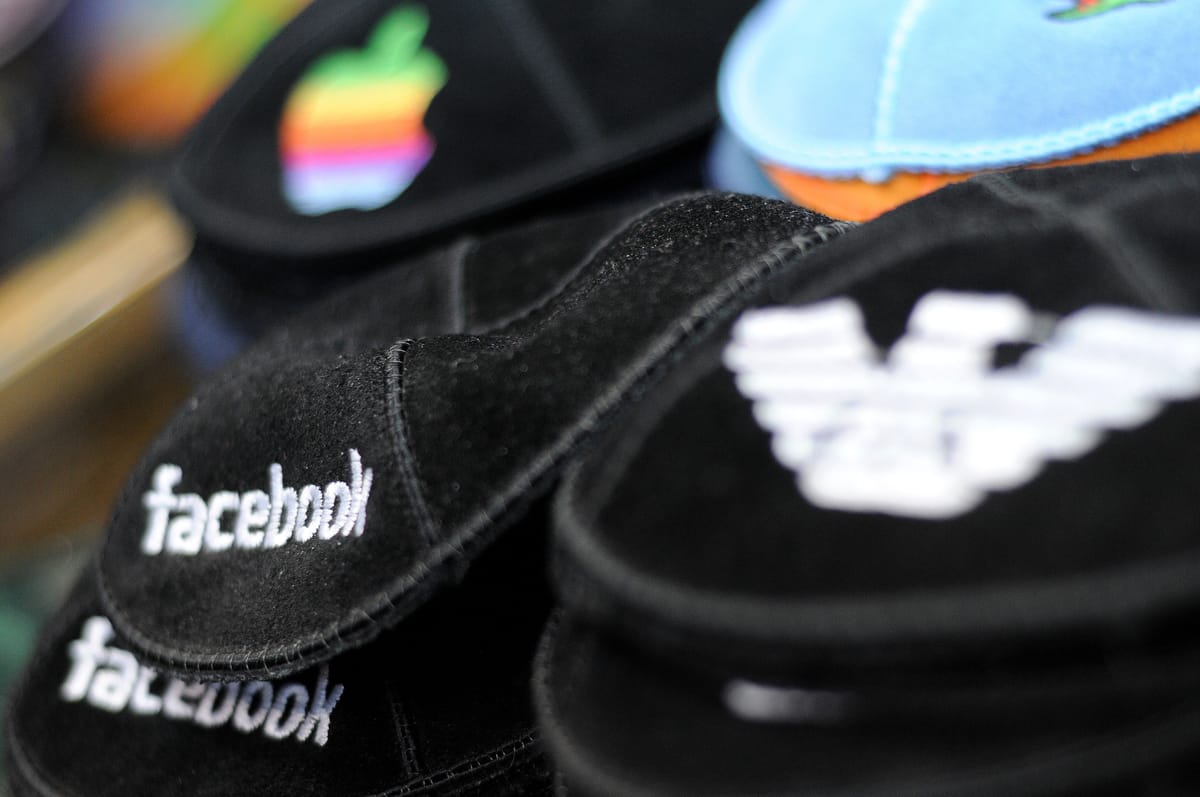
American brands including Facebook, Apple and Emporio Armarni on black kippot, in a Judaica shop on Ben Yehuda Street. March 10, 2011.
American brands including Facebook, Apple and Emporio Armarni on black kippot, in a Judaica shop on Ben Yehuda Street. March 10, 2011. (Sophie Gordon / Flash 90)

In a small workshop in Guangzhou, a textile supplier has built an unexpected business stitching velvet, satin and embroidery thread into an item rarely associated with southern China: the kippah.

Over the past several years, the entrepreneur has quietly become a multimillionaire by supplying custom-made kippahs to Jewish communities across the United States, catering especially to weddings, bar mitzvahs and synagogue events. What began as a modest overseas order has grown into a thriving niche operation serving customers looking for something personal and distinctive for life’s biggest moments.

The idea emerged after the supplier noticed a steady stream of inquiries from Jewish American clients seeking customized head coverings in bulk. Many wanted family names embroidered inside, wedding dates stitched beneath the lining, or color schemes matched precisely to invitations and décor. Others asked for subtle design changes that reflected community traditions or personal taste.

Instead of treating the requests as one-off curiosities, the Guangzhou supplier leaned in. He invested in specialized embroidery machines, hired designers familiar with religious requirements, and refined quality control to meet expectations for ceremonial use. Orders soon expanded from dozens to hundreds, then thousands at a time.


Customers say the appeal lies not only in the price but in the attention to detail. Each order is treated as a collaborative process, with mockups reviewed carefully before production. For families planning once-in-a-lifetime celebrations, the result feels meaningful rather than mass-produced.

The cultural distance between maker and buyer has not proven a barrier. On the contrary, the supplier says learning about Jewish customs became part of the job. Over time, he developed a working familiarity with religious sensitivities, including modesty standards and the symbolic role a kippah plays at milestones such as weddings and coming-of-age ceremonies.

For American Jewish clients, the story has its own charm. Items worn during deeply Jewish moments are being crafted halfway around the world by someone who takes pride in helping those moments feel special. Many families now reorder for future events, turning one celebration into a long-term relationship.

In an era often marked by cultural friction, the business stands out as a quiet example of global connection. A small workshop in southern China, a tradition thousands of years old, and celebrations in American synagogues have found common ground in thread, fabric and care.

Ready for more?

Join our newsletter to receive updates on new articles and exclusive content.

We respect your privacy and will never share your information.

Enjoyed this article?

Yes (2)
No (0)
Follow Us:

Loading comments...