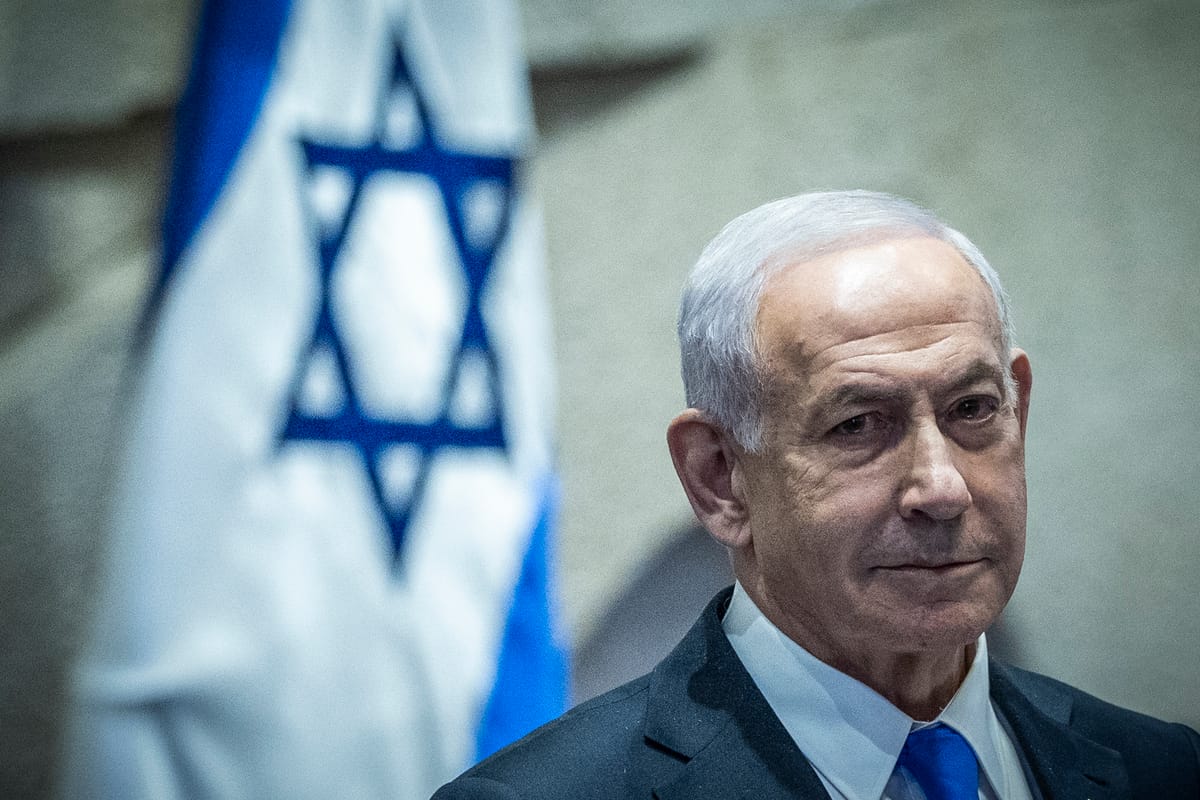
Prime Minister Benjamin Netanyahu said Wednesday that Israel will invest NIS 350 billion (about $108 billion) over the next decade to build an independent domestic arms and munitions industry, a move aimed at sharply reducing reliance on foreign suppliers after repeated political restrictions during the war.
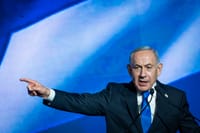
Speaking at the Israeli Air Force pilots’ graduation ceremony at Hatzerim Airbase, Netanyahu said the decision was approved jointly with the defense minister, finance minister, and senior security officials, and represents a historic shift in Israel’s defense strategy.
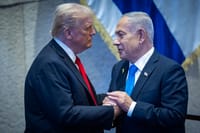
“Several weeks ago I approved, together with the defense minister and finance minister, a total of 350 billion shekels over the next decade to build an independent Israeli armaments industry,” Netanyahu said. “We want to reduce our dependence on every factor — including friends,” he added pointedly, an apparent reference to the United States and European allies.
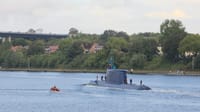
Netanyahu said Israel’s top engineers and defense firms are already working on advanced weapons systems designed to secure Israel’s battlefield superiority in future conflicts. He emphasized that the effort would not only focus on ammunition and munitions, but also extend to portions of aerial platforms and other critical systems, wherever feasible.
“We will continue to procure essential equipment abroad,” he said, “but alongside that, we will arm ourselves independently. I don’t know if there is such a thing as a completely self-sufficient country, but our goal is that as much of our armaments as possible will be produced in Israel.”
At the start of his speech, Netanyahu pointed to a paradox he described as a “historic reversal”: while Israel has faced political pressure and arms restrictions from some allies, global demand for Israeli defense technology is surging.
“Germany wants to buy more and more systems, and other major countries around the world are lining up,” he said. “You need to understand the scale of the transformation that has taken place here.”
The announcement builds on comments Netanyahu made in recent months, including a controversial September speech in which he said Israel may need to become a “super-Sparta,” capable of producing critical security needs domestically even at the cost of reduced economic openness.
At the time, the remarks sparked political backlash and market concern, prompting Netanyahu to clarify that he was referring specifically to the defense sector, not to a broader move toward economic isolation. He later said Israel does not face global isolation, but rather targeted political restrictions, particularly from Western Europe.
“There is one area where political, not economic, limitations exist — and that is the defense industries,” Netanyahu said at a subsequent economic press conference. “Our defense sector is soaring in exports and innovation, but during the war we encountered political restrictions. That is a lesson we must internalize.”
Netanyahu said the core takeaway from the conflict is the need for strategic autonomy.
“If there is one lesson from this war, it is that Israel must not be in a position where others can limit us,” he said. “Israel must defend itself by its own strength — and with its own weapons.”
The prime minister added that expanding regional peace agreements remains a top priority, though he declined to elaborate. “The less I talk about it, the more results I achieve,” he said.
The massive investment marks one of the largest defense-industrial commitments in Israel’s history and signals a long-term pivot toward military self-reliance amid growing geopolitical volatility, arms embargo threats, and shifting alliances.