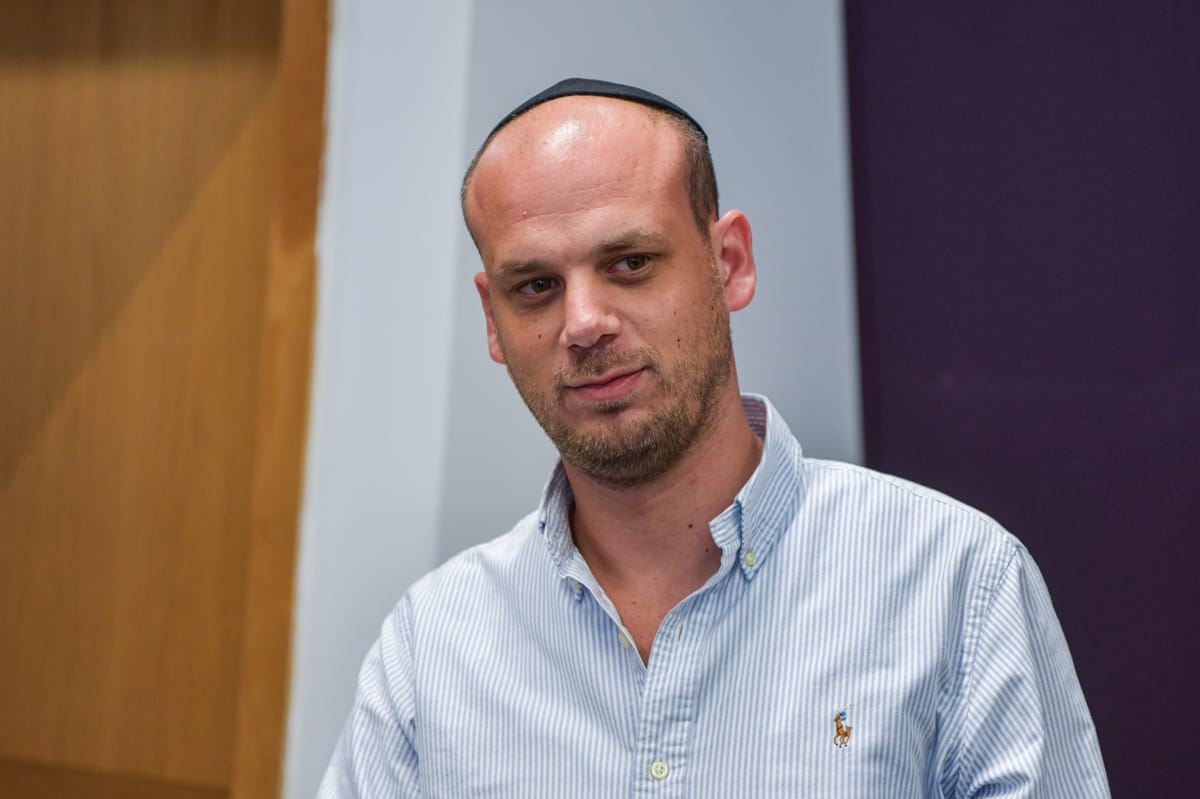
Eli Feldstein, a former media adviser to Prime Minister Benjamin Netanyahu who is facing indictment over the leak of classified intelligence to the German newspaper Bild, claimed in a televised interview that the prime minister was aware of and supported efforts to use sensitive intelligence material to influence public opinion during the hostage crisis.
Feldstein directly contradicted Netanyahu’s assertion that he had no knowledge of the leak. Feldstein said the prime minister approved the effort to obtain and disseminate a classified Hamas document that was later leaked to Bild and cited publicly by Netanyahu.
The leak centered on an internal Hamas memo that Bild published in September 2024, portraying the terror group as uninterested in reaching a hostage deal and seeking instead to exploit divisions within Israeli society. The publication came amid intense public anger following the execution of six Israeli hostages by Hamas in Rafah, an event that triggered widespread protests accusing the government of obstructing negotiations.
Feldstein said Netanyahu was deeply concerned about media narratives assigning him responsibility for the October 7 massacre and instructed aides to counter that framing. According to Feldstein, after Netanyahu held a press conference on September 2, 2024, displaying an older Hamas document to support his argument that military pressure was necessary, Feldstein told the prime minister he was working to obtain a more recent memo from military intelligence sources.
“Excellent,” Netanyahu responded, Feldstein claimed.
Days later, Bild published its report. Netanyahu subsequently referenced the article repeatedly in public appearances, though later reporting indicated the document had been selectively interpreted and distorted.
Feldstein also alleged that Netanyahu’s chief of staff, Tzachi Braverman, learned of an IDF investigation into the leak months before it became public and suggested he could intervene. Feldstein said Braverman summoned him to an underground parking lot at the Kirya military headquarters, informed him that senior figures in the Prime Minister’s Office were under suspicion, and told him: “Tell me if this is connected to you. I can shut it down.”
Braverman has denied the claim, saying he had no prior knowledge of the investigation and no authority to influence it. Netanyahu’s office similarly rejected Feldstein’s accusations, describing them as fabrications by an indicted defendant seeking to deflect blame.
Netanyahu’s office said the prime minister never ordered or authorized the leak of classified material, nor did he approve bypassing the military censor. The statement accused Feldstein of repeating claims designed to serve political opponents and emphasized that he faces severe criminal charges.
Feldstein also described Netanyahu as emotionally detached from the hostage crisis. He claimed the prime minister refused to watch early hostage videos released by Hamas, including footage of Mia Schem, and directed aides to reduce media discussion of his personal responsibility for the October 7 attack.
“He asked me whether they were still talking about responsibility,” Feldstein said. “The first task he gave me was to lessen the media storm on that issue.”
While Feldstein said Netanyahu prioritized defeating Hamas over securing hostage releases, he denied that the prime minister’s actions were driven by a desire to remain in power.
The interview also touched on the so-called Qatargate affair, in which Feldstein and fellow adviser Jonathan Urich are suspected of covertly advancing Qatari interests while employed by Netanyahu. According to recent reports, Feldstein helped fabricate pro-Qatar messages that were passed to journalists as if they came from senior Israeli or American officials, often portraying Qatar as a more effective mediator than Egypt.
Text exchanges reportedly show Feldstein coordinating with Perception, a PR firm linked to Netanyahu’s former campaign manager, to disseminate the messaging. Urich has denied knowledge of the activity, saying Feldstein would have been immediately dismissed had such conduct been known.
The unfolding testimony has further deepened scrutiny of the Prime Minister’s Office, raising questions about the use of intelligence material, media manipulation, and the conduct of senior officials during one of the most consequential crises in Israel’s history.