Prepare. Fast. Reflect.

How to Safely Observe a 24-Hour Fast: Expert Advice for Tisha B’Av and Beyond

Learn how to safely observe a 24-hour dry fast with expert medical and religious guidance. Essential preparation tips, warning signs, and breaking the fast properly.

Tisha B'Av fasting 2025
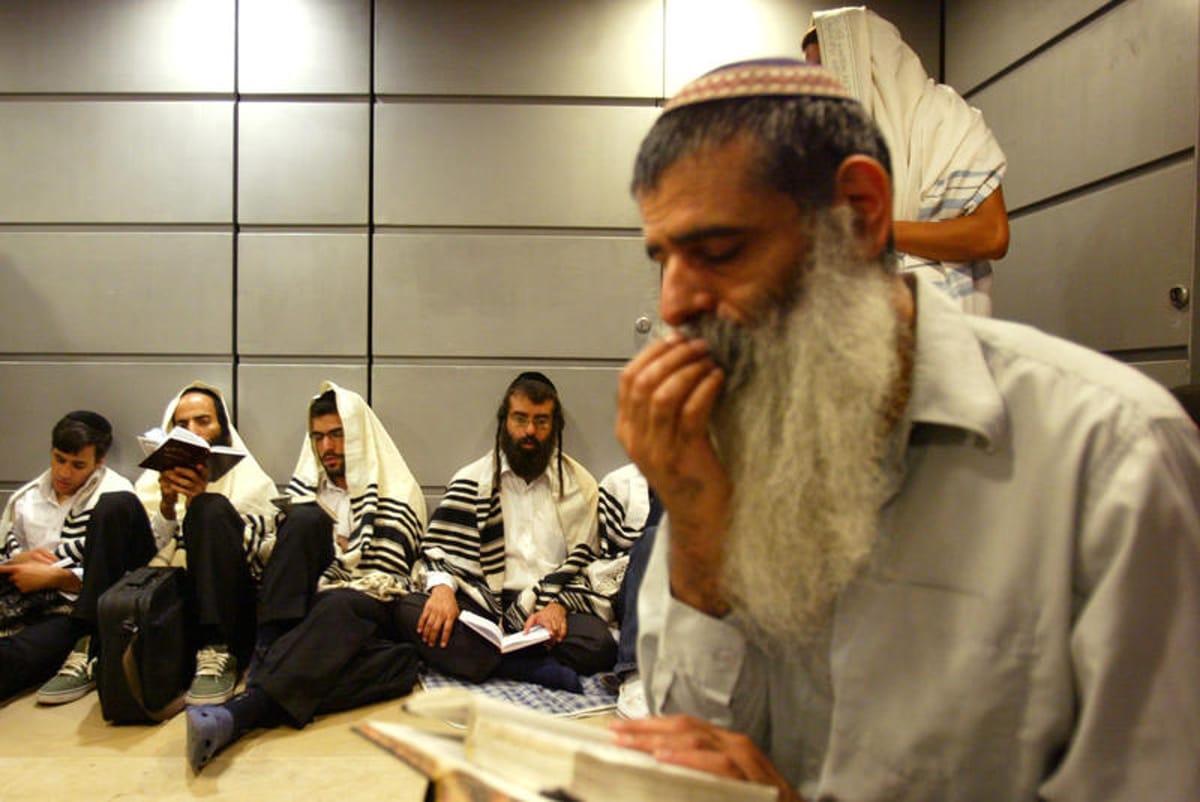
Tisha B'Av fasting 2025 (Photo: Flash90/Olivier Fitoussi )

As millions around the world prepared to observe a full 24-hour dry fast, including abstaining from both food and water, in honor of solemn days such as Tisha B’Av, medical experts and spiritual leaders are reminding the public that proper preparation is key to fasting safely and meaningfully.

Unlike intermittent fasting or water-only fasts, a dry fast, no food, no water, for a full day requires careful planning, especially in summer heat. Here's what you need to know to stay safe and maintain your strength throughout the 25-hour observance.

1. Hydration Starts the Day Before

“The fast begins the night before, but your preparation should begin 24 hours earlier,” says Dr. Liora Meir, a clinical nutritionist at Hadassah Medical Center. “Hydrating the body well in advance helps build reserves and reduces the risk of headaches, dizziness, and fatigue.”

Drink plenty of water throughout the day before the fast, at least 2 to 3 liters, but spread it out to avoid overloading the kidneys or causing bloating. Avoid caffeinated drinks, which can dehydrate you.

2. Choose Your Pre-Fast Meal Wisely

The pre-fast meal (seudah mafseket) should be balanced and hydrating. Experts recommend including:

Avoid salty, fried, or spicy foods, as these can increase thirst and irritate the stomach.

3. Limit Physical Activity During the Fast

On the fast day itself, especially during dry fasting, it's essential to stay cool and rest as much as possible. Avoid exposure to direct sun and strenuous activity, which can accelerate dehydration.

“Tisha B’Av is a day of reflection,” says Rabbi Shlomo Cohen of Jerusalem’s Old City. “Use this time for prayer, quiet study, and inner contemplation, not physical exertion.”

4. Breaking the Fast Gradually

Once the fast concludes, today at 20:04pm, it’s crucial not to overeat immediately. Begin with water or herbal tea, followed by a light, easy-to-digest meal such as soup, toast, or cooked vegetables.

Give your digestive system time to readjust before returning to regular eating patterns.

Loading...
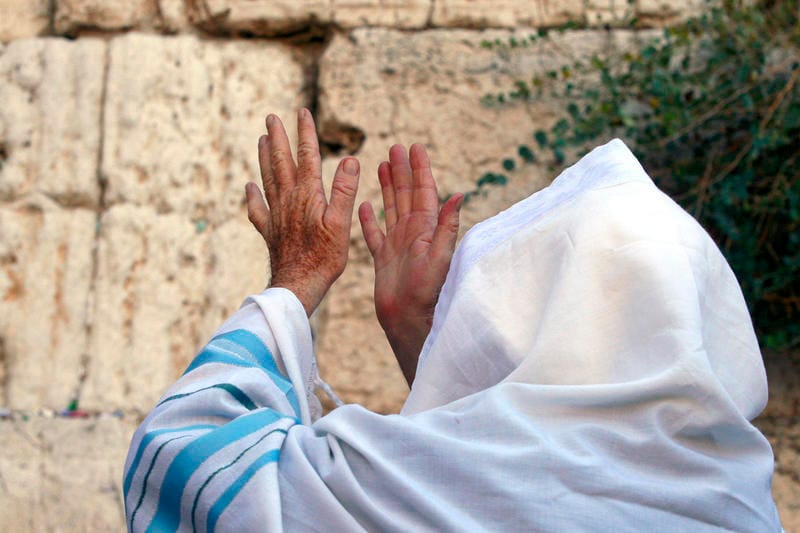
Sacred fasting (Photo: Flash90/Olivier Fitoussi )

A Sacred Fast, A Safe Fast

Tisha B’Av is not just a fast but a deep spiritual journey: a time to mourn, reflect, and reconnect. But ensuring physical well-being is part of honoring that tradition.

“Caring for the body is part of caring for the soul,” says Rabbi Cohen. “Preparing wisely allows you to fast not only fully, but meaningfully.”
Ready for more?

Join our newsletter to receive updates on new articles and exclusive content.

We respect your privacy and will never share your information.

Enjoyed this article?

Yes (127)
No (5)
Follow Us:

Loading comments...