Get our mobile app
Download on the App StoreGet it on Google Play

Yom Kippur Guide

Ranking Yom Kippur's Most Powerful Moments

From Kol Nidrei to the final shofar blast, here's how to prepare for and experience the spiritual crescendos of the Day of Atonement, ranked from moving to unforgettable

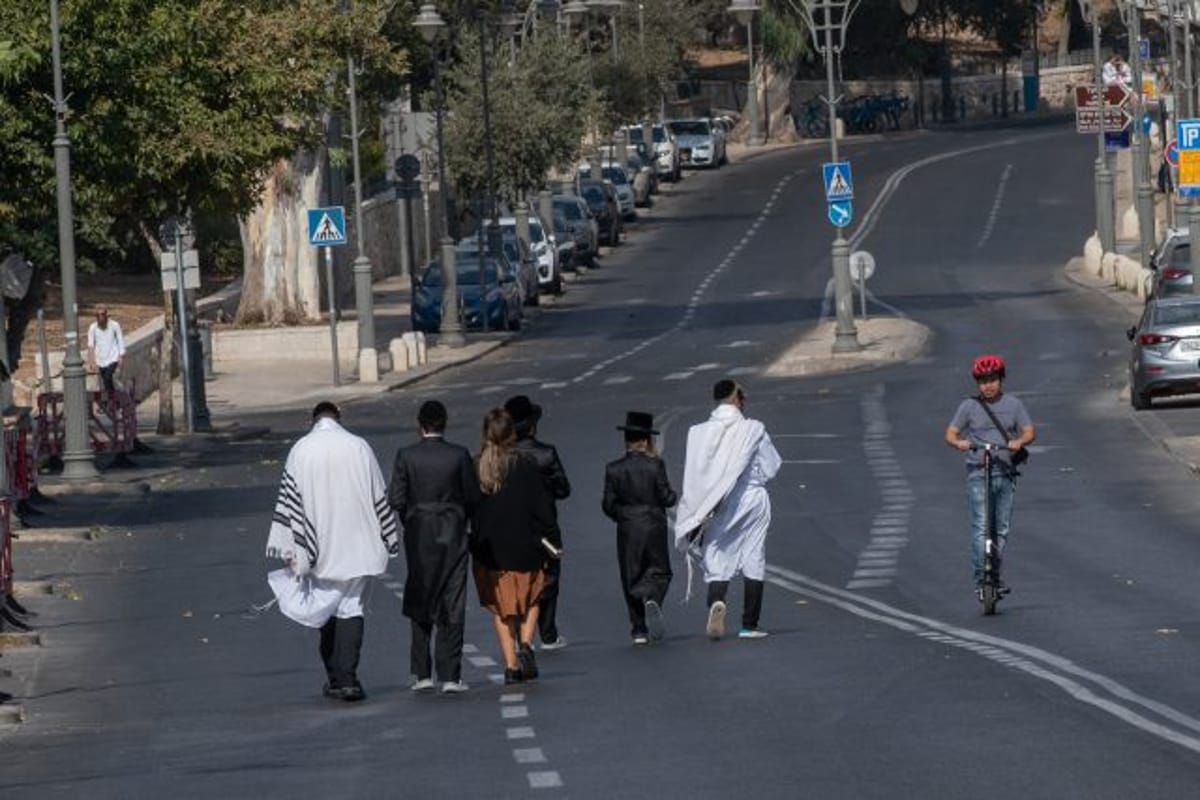
Jerusalem streets on Yom Kippur, archive

Anyone who has ever received a summons to court understands the unpleasant feeling of standing before a flesh-and-blood judge who threatens to impose a fine or worse, imprisonment, in a small room where the only thing you want to do is escape as quickly as possible.

Now imagine that it's the courtroom of the King of Kings, and the feeling would presumably be far more intense. But in the Jewish world, the situation is completely different: those who come to judgment dress in white, wrap themselves in a tallit, and rejoice in the knowledge that they can rely on G-d's mercy and hope for His forgiveness, confident they will be sealed for a good life.

Just before Yom Kippur eve, at the end of the weekdays that have passed since the two days of Rosh Hashanah, which are also the first days of the Ten Days of Repentance, it's worth getting to know the spiritual experiences of this holy day and ranking them from beginning to end, in order to prepare in advance for the holiest day of the year, most of which is devoted to prayer and strengthening faith.
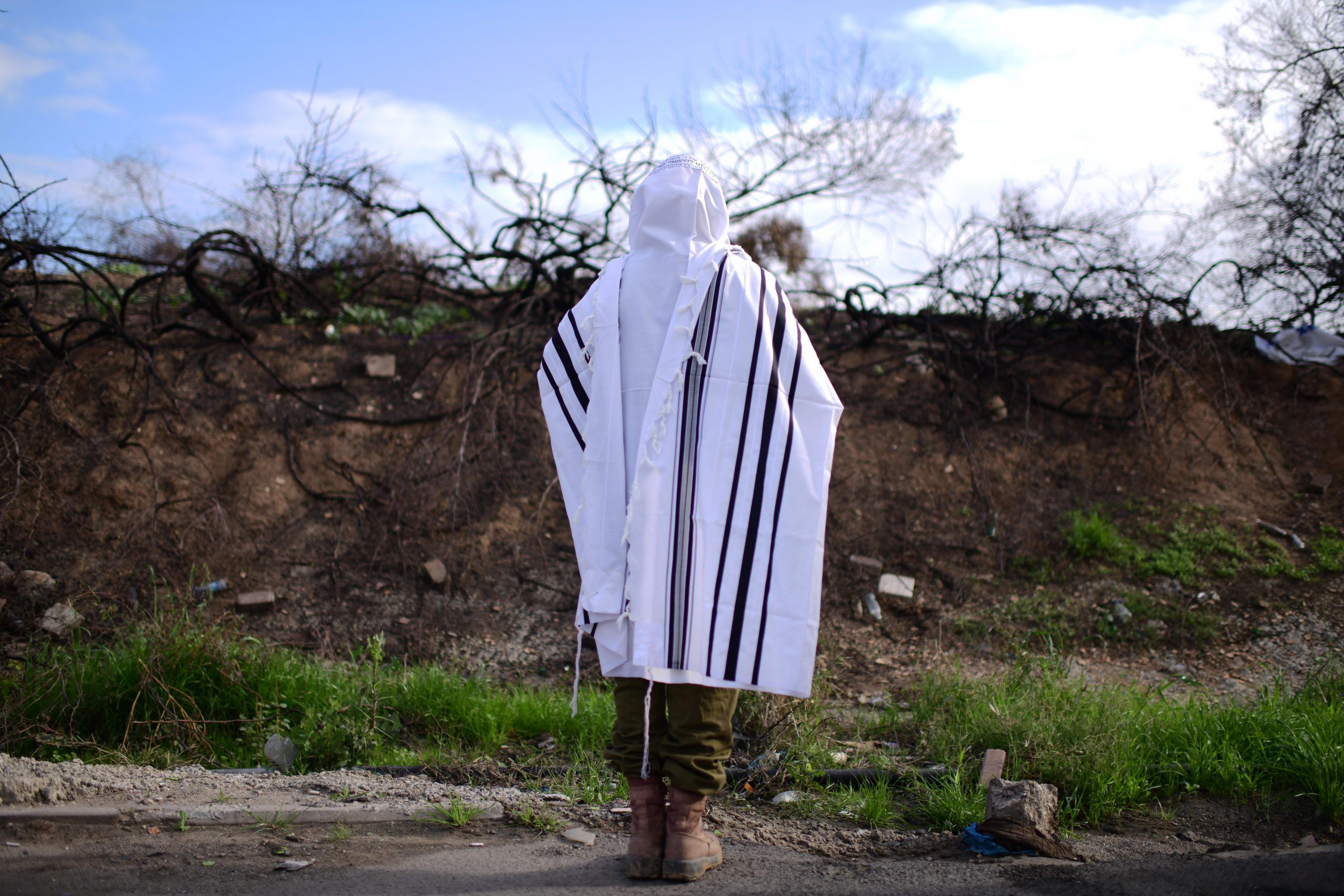
Prayer in the field
Prayer in the field (Photo: Tomer Neuberg, Flash90)

Fifth Place: Mincha on Yom Kippur Eve

The preliminary prayer of the holy day, which we arrive at in weekday clothes but in which we say for the first time a full confession, beating our chests as we recite "Al Chet", which will be repeated in all Yom Kippur prayers except Neilah. Confession is the essential part of the repentance process and its importance is great, but in the Yom Kippur prayer cycle, many consider this prayer an ordinary weekday service with an addition preparing for the holiest day of the year. It's always scheduled as early as possible at "Mincha Gedolah" time so that one can continue preparing for the fast with the final meal before sundown.

A special moment in its own right, which doesn't rank between fifth and fourth place, is the Kol Nidrei prayer, which moves many because of its historical connection to the Yom Kippur War and because of its unique melody that leaves no one unmoved.

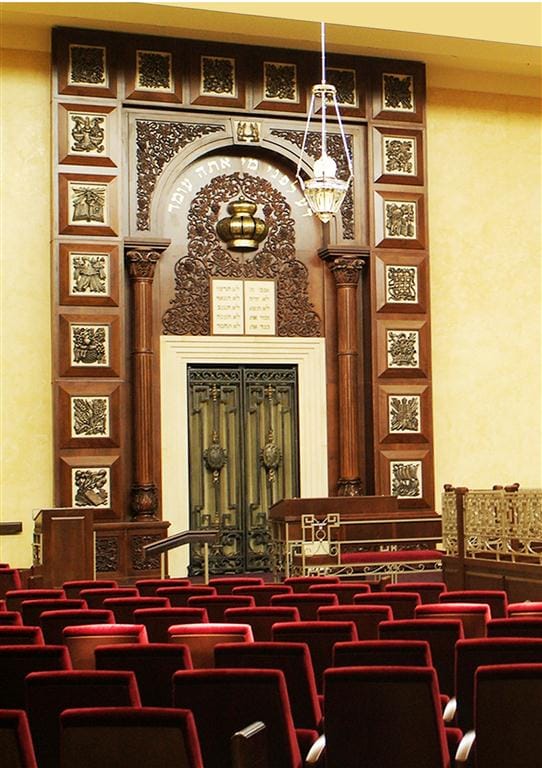
Worth praying for Jewish unity. The Hurva Synagogue
Worth praying for Jewish unity. The Hurva Synagogue (Photo: Flash90)

Fourth Place: Between Shacharit and Musaf

This time is dedicated in most congregations to a Torah lesson and spiritual strengthening before Musaf, replacing the traditional Kiddush of Rosh Hashanah. Just before the prayer leader recites aloud "Hineni He'ani Mima'as" in Ashkenazi congregations, there's a kind of momentary tension drop of "what do we do now," and also a sort of break for those whose parents are still alive, baruch Hashem, who stepped out of the synagogue during the Yizkor memorial prayer. It's important to remember that this is the holiest day for the Jewish people, so it's worth avoiding idle chatter and gossip during free time, and it's recommended instead to recite Psalms or study the ethical work "Sha'arei Teshuva."

Third Place: Seder HaAvodah

This is the central part of the Yom Kippur Musaf service, describing in detail and with vivid experience the service of the High Priest on Yom Kippur. Those blessed with rich imagination can see with their mind's eye the people standing in the Israelite courtyard when the Temple still stood, and those who cannot simply fall on their faces when the entire congregation kneels and concentrates in prayer. This is one of the special sights of the day, and it's worth connecting to it well in advance with the help of singer Ishay Ribo's excellent composition.

The gates of heaven remain open
The gates of heaven remain open (Courtesy)

Second Place: Neilah Prayer

The prayer called "Neilah" is the service during which every synagogue in the country is packed, and all cantors have learned how to extend it as required by the timing of the day and the end of the fast.

This is a unique prayer that opens with Psalm "Ashrei Yoshvei Veitecha," which is not said at Mincha on Yom Kippur, and continues with sections of penitential prayers and final supplications for the holy day, at whose center is the sentence that the prayer leader declares and everyone repeats after him aloud: "Open for us the gate, at the time of the closing of the gate, for the day is waning." And there is not a dry eye in the room at this time.

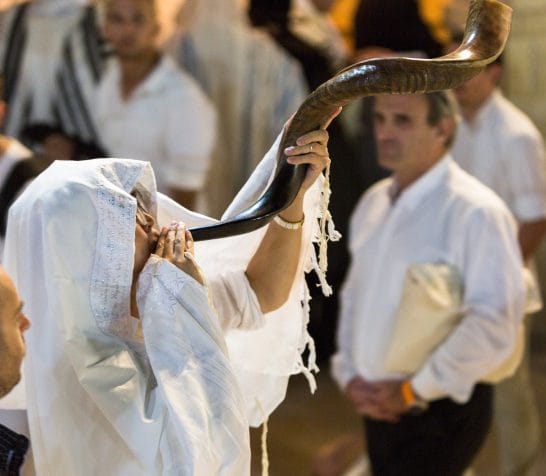
The great shofar will be sounded
The great shofar will be sounded (Photo: Dan Toran/Flash90)

First Place: Accepting the Yoke of Heaven and the Shofar Blast

All synagogues announce the time of the shofar blast that marks the end of the fast, but it's worthwhile and desirable for anyone who wants to connect to the peak moment of the holiest day of the year to arrive at the synagogue well before then, in order to say with the entire congregation the "acceptance of the yoke of the Kingdom of Heaven," which opens with the call "Shema Yisrael" and ends with the declaration in a loud voice as one person with one heart: "Hashem hu HaElokim", and not just once, but seven times.

This is the peak moment of Yom Kippur and perhaps of all the Tishrei holidays.

The only moment that may surpass it in the eyes of many is the most moving point on the eve of Shemini Atzeret and Simchat Torah, when the ark is opened before the hakafot and the cantor says aloud what the entire congregation feels in their hearts:

"Atah horeita lada'at ki Hashem hu HaElokim, there is none beside Him."

Ready for more?

Join our newsletter to receive updates on new articles and exclusive content.

We respect your privacy and will never share your information.

Enjoyed this article?

Yes
No
Follow Us:

Unmissable content


Loading comments...

Also of Interest