Get our mobile app
Download on the App StoreGet it on Google Play

High Alert

Iran Resumes Missile Production Underground

Revolutionary Guards assembling new missiles at Khojir facility and other sites as Western officials warn recovery pace exceeds expectations; Israel on high alert ahead of possible attack

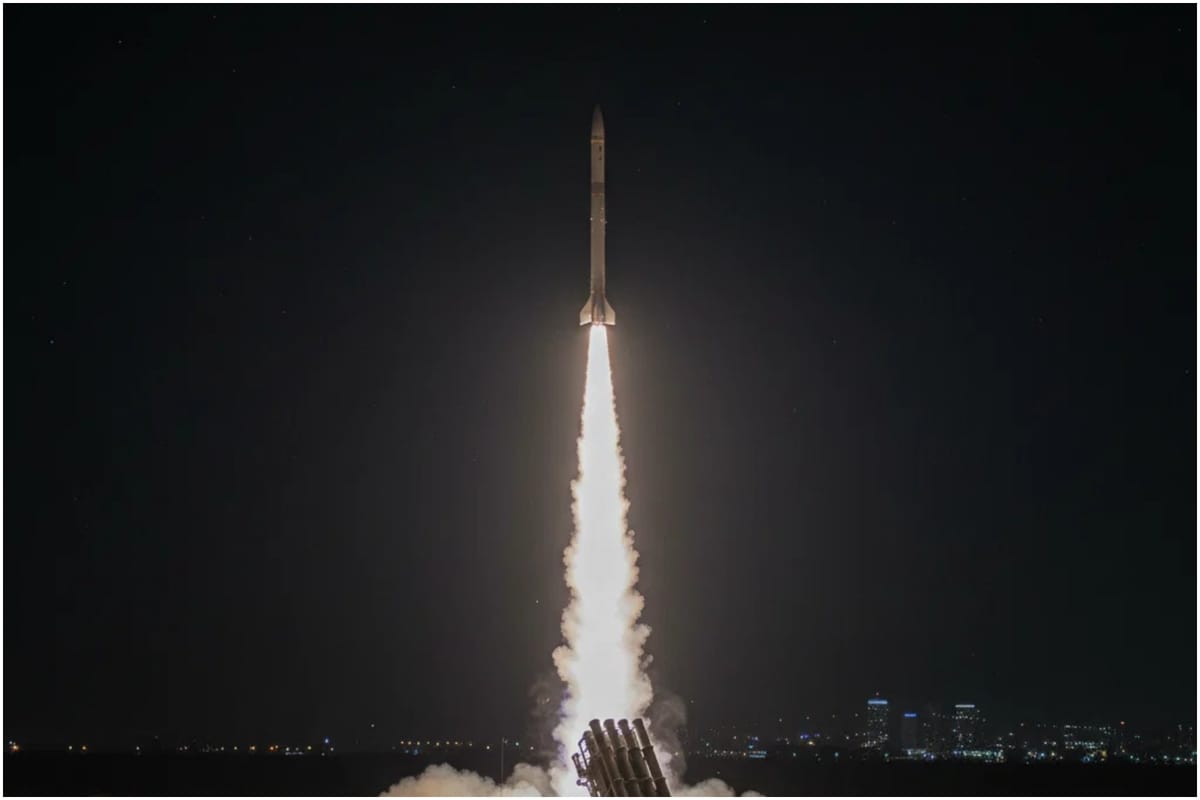
Iranian missiles

Iran has resumed ballistic missile production in underground facilities protected from airstrikes, according to new information published Thursday in The Wall Street Journal citing American and Middle Eastern sources. The report, based on satellite imagery and intelligence data, indicates that the Revolutionary Guards have begun assembling new missiles from pre-manufactured components stored in inventory, though in limited quantities compared to the pre-war period.

The renewed activity is taking place at several underground sites across the country, primarily at the central missile facility in Khojir in southeastern Iran. The data shows that the Iranians are using existing components to assemble both liquid-fuel and solid-fuel missiles, and are working to establish additional underground assembly points to prevent future damage to their infrastructure.

However, regional sources note that the current production rate remains relatively limited, partly due to severe damage sustained by key industrial facilities and difficulties created by the American naval blockade on importing necessary raw materials.


This development sheds light on the challenges facing the United States and Israel, which have made dismantling Tehran's missile program one of the central war objectives since the conflict began last February. Experts assess that the recovery pace of Iranian sites and infrastructure is faster than early Western estimates, allowing Tehran to strengthen its position in the war of attrition.

The Prime Minister's Office declined to comment on the report, while the White House and Pentagon chose to emphasize the scale of destruction suffered by the Iranian military. Official sources in Washington claimed that Iran's capabilities have been fatally damaged and that it is weaker than ever.

The report comes against the backdrop of a sharp warning delivered by Defense Minister Israel Katz to the Tehran regime ahead of Rosh Hashanah. Katz warned that "any attack on Israel for any reason and in any place will be met with a powerful response, that will strike Iran with severe blows it has not yet suffered to this day, including at central energy facilities."

Defense Minister Israel Katz

Meanwhile, senior White House officials have warned President Donald Trump that the military and economic confrontation with Iran could drag on for years, potentially extending until the end of his current term in January 2029. The warning stands in contrast to Trump's public predictions of a swift end to the conflict.

These developments come alongside a deep internal crisis afflicting the Iranian regime. Iranian Parliament Speaker Mohammad Bagher Ghalibaf publicly charged that while the people are willing to die for the cause, they are unwilling to bear another second of "failed management and criminal negligence." These explosive statements instantly became the epicenter of a political earthquake, with Iranian opposition commentators not hesitating to define the event as "an official declaration of the regime's suicide from within."

Ready for more?

Join our newsletter to receive updates on new articles and exclusive content.

We respect your privacy and will never share your information.

Enjoyed this article?

Yes
No
Follow Us:

Unmissable content


Loading comments...

Also of Interest