Government officials in Islamabad are tracking the deepening ideological rifts within the highest echelons of the Iranian regime with growing concern. Senior political figures have confirmed that the elected government in Tehran is drifting entirely away from the hardline military factions running the state. This domestic instability comes as regional defense pacts threaten to drag neighboring nuclear powers into the expanding theater of war.
The political leadership in Iran, including President Masoud Pezeshkian, Foreign Minister Abbas Araghchi, and Parliament Speaker Mohammad Baqer Qalibaf, is experiencing a severe disconnect from the Islamic Revolutionary Guard Corps. Pakistani authorities have expressed deep anxiety that this internal chaos is driving a renewal of active warfare between Houthi rebels in Yemen and Saudi Arabia. The escalation threatens to collapse ongoing diplomatic mediation efforts while triggering binding mutual defense treaties across the subcontinent.
The strategic alignment between Islamabad and Riyadh has placed external military forces on high alert to deter further provocations. "Our senior civilian and military leadership made it clear to the highest levels in Iran that attacks on Saudi Arabia are attacks on Pakistan," an official stated. The diplomat emphasized the severity of the geopolitical situation, declaring that "this is a red line for us."
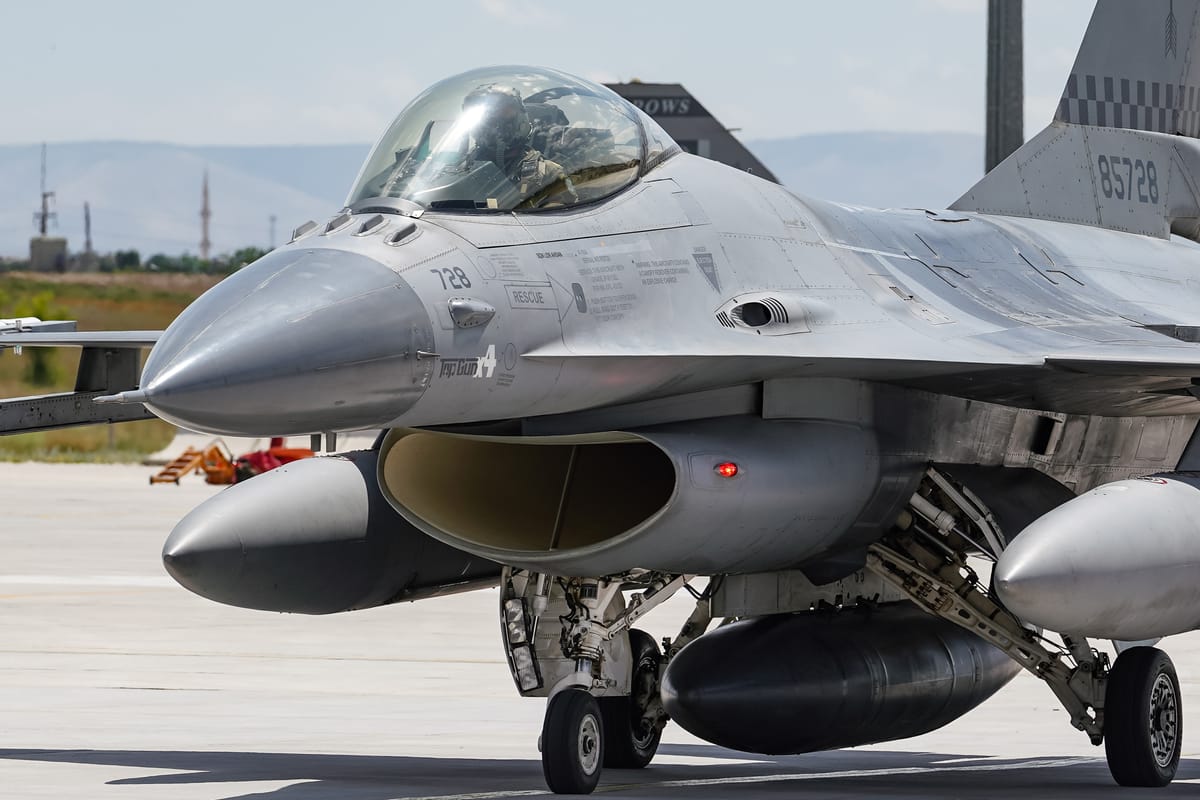
This warning is backed by a massive, prior military deployment designed to reinforce the territorial integrity of the kingdom. Pakistan secretly stationed a significant military contingent inside Saudi Arabia during the height of the recent war with Iran. This specialized force includes thousands of active ground troops, a full squadron of advanced fighter jets, and sophisticated air defense systems.
The physical threat to these foreign forces has escalated significantly due to their strategic positioning along the southern frontier. Multiple sources confirmed that Pakistani soldiers are currently deployed in close proximity to the Saudi Arabian border with Yemen. This specific deployment layout leaves foreign troops directly exposed to incoming drone and missile strikes launched by Houthi forces.
The current escalation directly threatens Pakistan's dual role as a primary diplomatic intermediary between the United States and the Iranian regime. Beyond these obvious geopolitical considerations, the country faces immediate economic devastation if the regional maritime routes remain compromised. The prolonged closure of the Strait of Hormuz has severely disrupted global energy supplies, leaving the local economy highly vulnerable due to its absolute reliance on liquefied natural gas and crude oil imports from the Persian Gulf.