
The Republican defeat in the US midterm elections has handed Democrats control of Congress and opened a new front against President Donald Trump, this time from within his own party. Less than 24 hours after the results were announced, Trump's allies and Republican strategists began calling for a White House policy overhaul, the replacement of senior officials, and an end to initiatives they say have become an electoral liability.
Among the factors Republicans are blaming for the loss: the prolonged war with Iran, tariff policy, and Trump's intense, some say obsessive, focus on White House renovation projects.
With Democrats now set to control both houses of Congress, Trump's presidency faces the prospect of sustained battles with investigative committees, legislative blockades, and attempts to obstruct his appointments.
Veteran Republican strategist John Feehery called the results "a massive disaster" for the president and urged him to clean house at the White House. The longer Trump waits to make changes, Feehery said, the weaker his political standing will become, and he risks turning into a president with diminishing influence.
But Trump is showing no willingness to change course. In an interview with Fox News after the scale of the defeat became clear, he rejected the idea that the results were a personal blow. "I don't see this as a hit on me," he said.
The gap between party pressure and the president's position is evident on Iran. A senior White House official told Reuters that internal polling conducted about six weeks before the election already pointed to the danger of losing both houses of Congress. Despite warnings about the political cost of the war, Trump refused to shift his policy. "At the end of the day, he just didn't care," the official said, adding that the president refused to listen to those who warned him.
Vice President JD Vance has also begun to distance himself slightly from the president. On Wednesday, he placed responsibility for the losses on the Iran war, a statement that may signal growing tension at the top of the Republican Party, especially given his position as Trump's potential political heir heading into the 2028 presidential race.
But it wasn't only the war that angered voters. A Republican political consultant said that focus groups conducted over the summer in states like Michigan and Iowa identified growing opposition among Republican and independent voters to the president's preoccupation with the new White House ballroom and renovations to government buildings in Washington.
"If Trump spends the next two years talking about the same thing, we're going to get hit hard again in the next election," the consultant warned.
Here too, the president is showing no signs of retreat. On the very day calls for a course correction emerged, Trump made an impromptu visit to the ballroom construction site and defended the time he devotes to the project. "For me, it's relaxing," he told reporters.
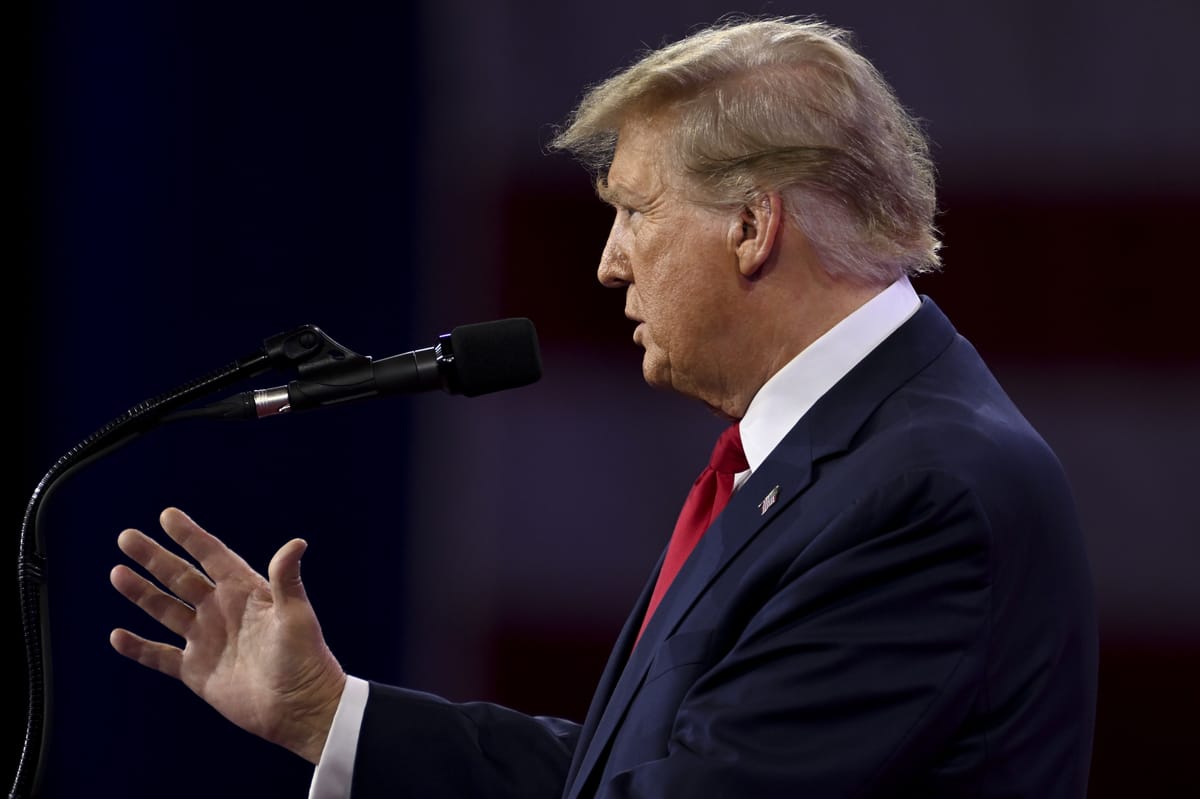
Meanwhile, the White House tried to project business as usual, posting on social media a photo of the president with the caption: "For the record: Trump is still your president."
Behind the scenes, however, the atmosphere is far from calm. Senior White House officials are bracing for staff departures, possible cabinet changes, and Democratic-led investigations. One source described morale as especially low, saying: "It's really bad to be here right now."
Despite losing control of Congress, Trump still holds broad executive powers. According to an earlier Reuters report, the administration has spent months preparing a series of measures on immigration, tariffs, housing, and federal spending that it can advance even without legislative support.
But those powers won't prevent Democrats from launching investigations into the administration. And so, as Trump insists on staying the course, Republicans are grappling with a difficult political question: has the president who led them to past victories now become an obstacle to their survival in the next election?