Get our mobile app
Download on the App StoreGet it on Google Play

Maritime Pressure Campaign

U.S. Expands Iran Naval Blockade

American forces are reportedly warning Iranian vessels against traveling between their own ports, marking a significant escalation in economic pressure on Tehran's regime

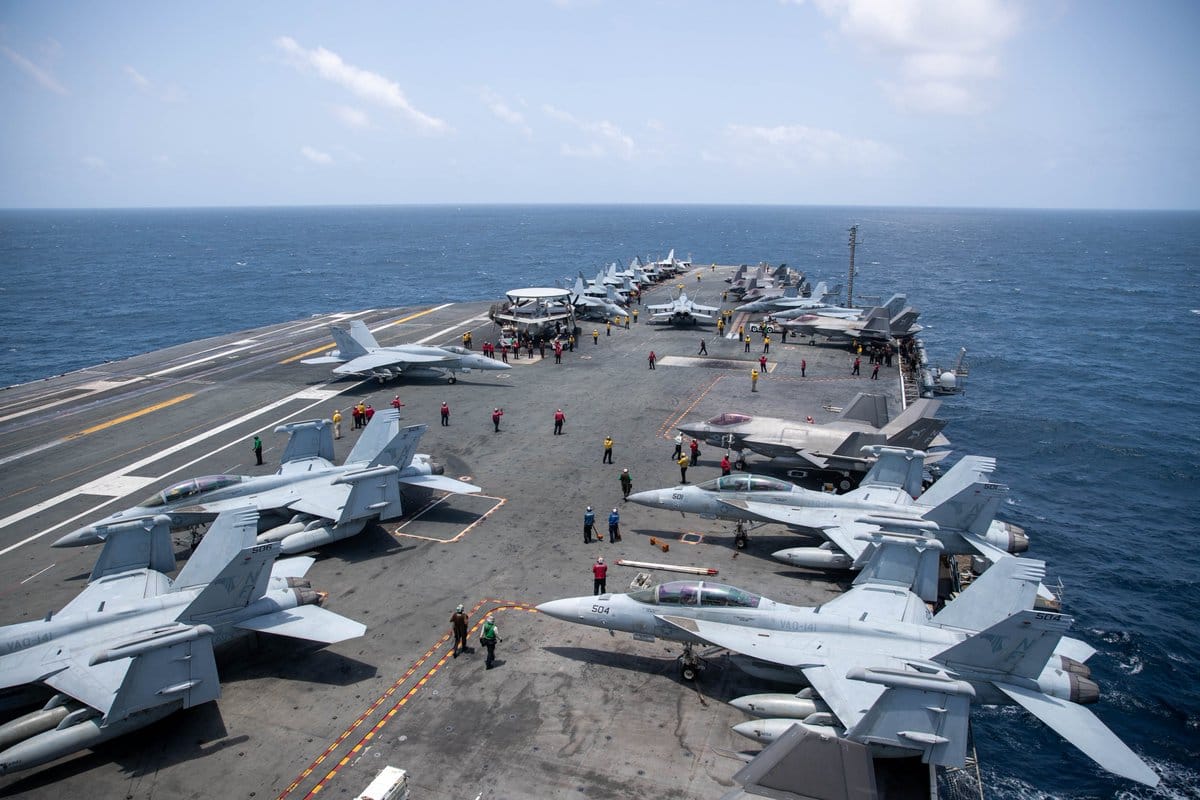
USS carrier

The American naval blockade of Iran, reinstated on July 14 following the collapse of temporary understandings, is becoming significantly more restrictive. Reports from Iranian opposition channels indicate that U.S. naval forces are no longer limiting themselves to preventing ships from entering or leaving Iranian ports, they are now warning Iranian vessels against traveling between different ports within Iran's own territorial waters.

If accurate, these reports represent a substantial tightening of maritime pressure on Tehran's government. The move appears designed to further disrupt Iran's internal maritime traffic and complicate the transport of goods, fuel, and military equipment between ports along the Persian Gulf and Gulf of Oman, which is vital for Iran to transfer oil, petroleum products, and civilian and military cargo between ports including Bandar Abbas, Kharg Island, and Assaluyeh.


Seventy Ships Diverted From Their Routes

The United States renewed its naval blockade of Iranian ports and coastal areas on July 14, 2026, after temporary understandings signed in June collapsed. U.S. Central Command (CENTCOM) reports that since the blockade resumed, dozens of commercial vessels attempting to breach it have been redirected: as of late August, approximately 70-71 ships have been turned away from their routes, three vessels have been disabled, and two have been boarded by American forces for verification purposes.

The blockade applies to all vessels regardless of flag attempting to enter or exit Iranian ports. Ships carrying humanitarian aid are permitted to pass with coordination. Meanwhile, the U.S. continues to allow commercial traffic through the Strait of Hormuz on routes not leading to Iran, primarily through a southern corridor near Oman's coast, escorted by American forces.

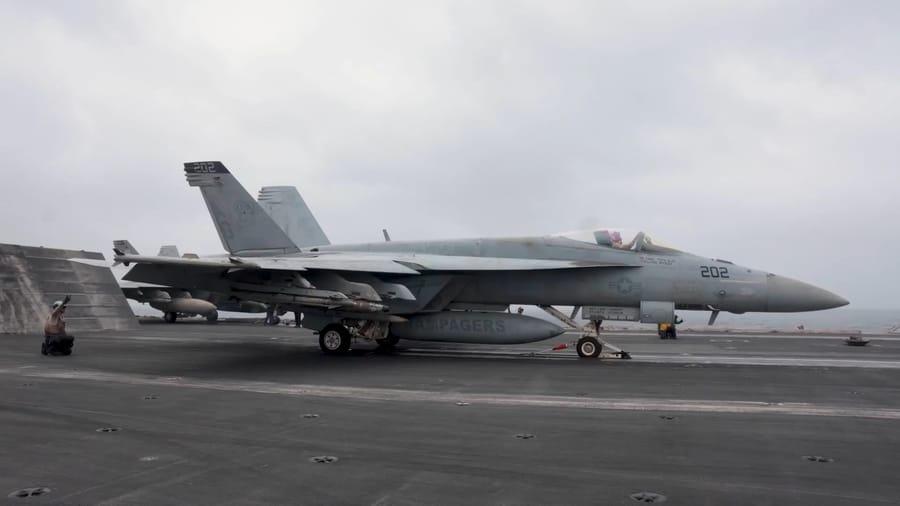
USS carrier
USS carrier (Photo: CENTCOM)

"I Have No Timeline"

The blockade's intensification comes against the backdrop of firm statements by U.S. President Donald Trump. In an interview with Al Jazeera, the president made clear that America is in no rush to end the confrontation with Iran or resume contacts. "I have no timeline, none. I'm not in a hurry. I have no timeline at all," Trump said, emphasizing that Tehran's economy is collapsing under the combined weight of sanctions and pressure.

According to Trump, the United States is in an exceptionally strong position and is "winning very, very big." The president described a particularly grim reality for Tehran's regime, an economy disintegrating, massive inflation, and brutal internal governance. When asked whether economic pressure is more effective than military measures, the president responded emphatically: "I think both are effective."

The warnings against internal movement between Iranian ports, if they are happening, expand enforcement beyond preventing international trade. This disruption could deepen the economic difficulties already caused by the blockade and the severe sanctions imposed by the Trump administration. Iranian opposition channels present the move as part of a comprehensive pressure campaign designed to "strangle" the regime.

American officials have not yet specifically addressed claims about restricting movement within territorial waters, and CENTCOM's official statements continue to focus on enforcing the blockade on entry to and exit from ports and coastal areas.

Tehran, for its part, continues to threaten freedom of navigation in the Strait of Hormuz and applies counter-pressure on commercial vessels in the region.

Ready for more?

Join our newsletter to receive updates on new articles and exclusive content.

We respect your privacy and will never share your information.

Enjoyed this article?

Yes (33)
No (1)
Follow Us:

Unmissable content


Loading comments...

Also of Interest