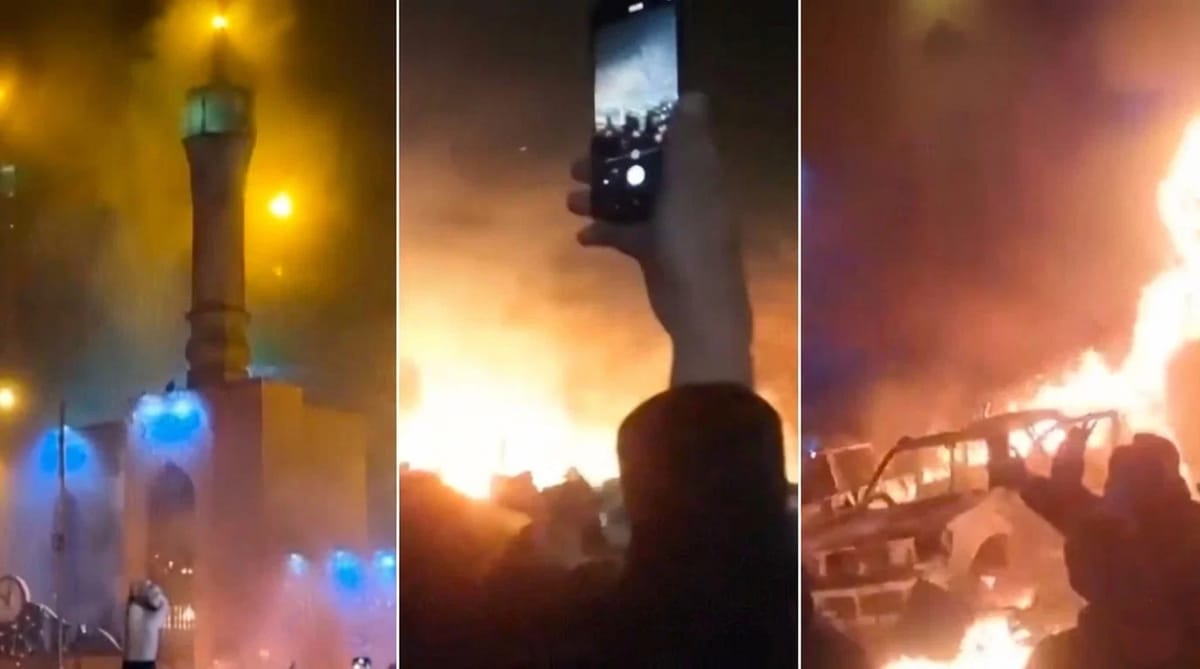
More than a month after the war with Iran began, the dream of toppling the regime has become a distant, fading memory. In a series of extraordinarily brave interviews with the BBC, Iranian citizens have shared their profound frustration and despair as the Islamic Republic appears to have emerged from the conflict more entrenched and brutal than before.
Inside a Divided Society: "Nothing Has Changed"
Speaking under a heavy veil of anonymity, Iranians described the emotional rollercoaster of the recent military conflict with the United States and the subsequent ceasefire.
- Bitter Disappointment: "At first, I didn't want the war to happen," one woman admitted. "But once it started, as long as they targeted key figures, I was truly happy about every one of their deaths. But in the end, we are left with them. Nothing changed."
- A Family Torn Apart: Another woman described a chilling rift at home. While she and her brother staunchly oppose the regime, her parents remain loyal. When she expressed fear that her parents might be executed if the regime fell, her brother’s response was "blood-curdling," she said: "Since they want to be martyrs, why deny them that right?"
A Record-Breaking Reign of Terror
Data provided by the human rights news agency HRANA paints a harrowing picture of the regime's domestic "revenge" campaign:
- Mass Arrests: Over 53,000 people have been detained since the January protest wave, with thousands more arrested during the days of fighting.
- Executions at a 30-Year High: 21 political prisoners were documented as being executed by hanging in a short period, a record high for the last three decades.
- Living on Borrowed Time: Human rights lawyer "Susan" warned that the regime is venting its wartime rage on prisoners. "I think if the war ends, the regime will likely take out its anger from this war on the detainees," she stated, noting that violence against prisoners has spiked.
The Silence of the Press and the Middle Class
The atmosphere in Tehran is one of total paralysis. Journalists, such as one identified as "Armin," explained that reporting on the war now carries the risk of being charged with espionage, a crime that frequently carries the death penalty.
Among Tehran's middle class, there is a crushing sense of defeat. Despite the high-profile assassinations of regime leaders, the power structure remains intact under the firm rule of the new Supreme Leader, Mojtaba Khamenei. "So many of their people are still standing," lamented a resident named Sana. "I am heartbroken that they won this war."