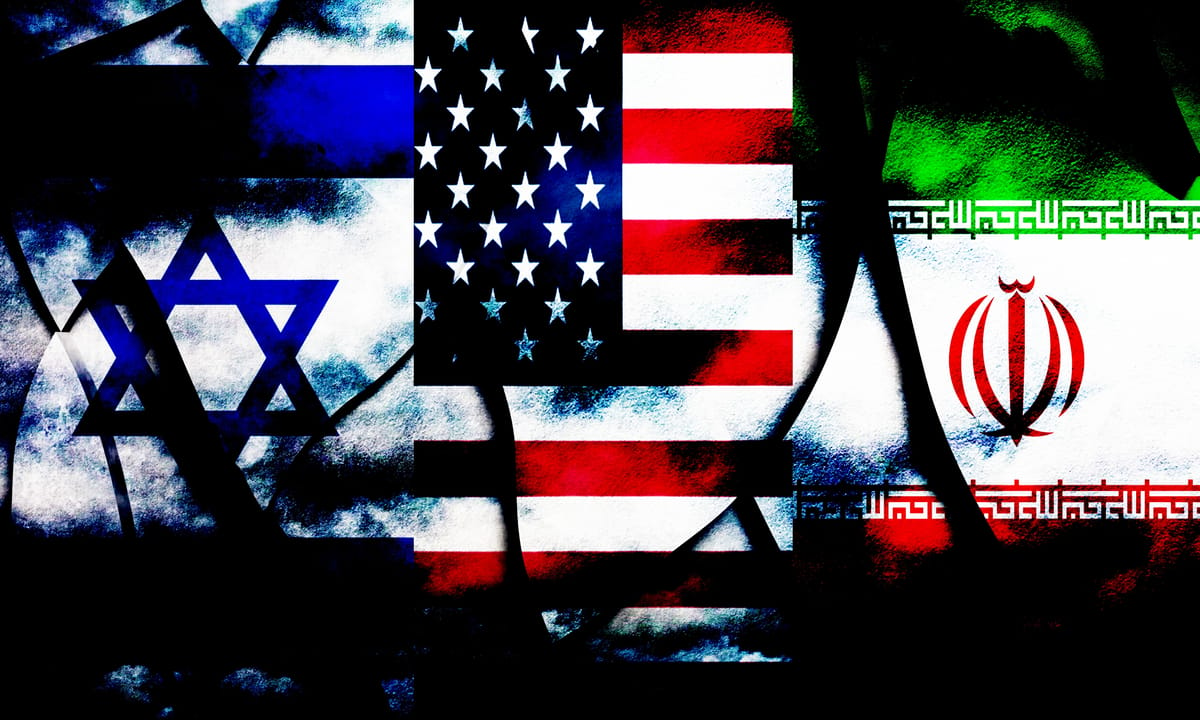
The United States dramatically expanded its military campaign against Iran overnight, striking bridges, transportation routes and military infrastructure across the country’s south during the sixth consecutive night of American attacks.
US Central Command said fighter jets, aerial drones and warships launched precision weapons against dozens of targets, including coastal-surveillance installations, air-defense systems, military logistics infrastructure and Iranian maritime capabilities.
CENTCOM said the operation was intended to further degrade Iran’s military capabilities and hold Tehran accountable for attacks on commercial shipping. More than 50,000 American service members are currently operating across the Middle East, the command added.
Iranian state media reported that at least five bridges were struck in the southern Hormozgan province, including key routes connecting the Bandar Abbas region with other parts of the country. At least seven people were reportedly killed in the attacks, while several others were wounded.
Reports from Iran also claimed that the Iranshahr Airport in southeastern Iran was attacked, along with a railway station, communications infrastructure and areas surrounding Bandar Abbas and Qeshm Island. Reuters said it could not independently verify all the Iranian claims.
The attacks represent a significant escalation in Washington’s strategy. Until now, the renewed US campaign had focused primarily on Iranian command centers, missile and drone capabilities, coastal defenses and military facilities connected to Tehran’s control of the Strait of Hormuz.
The targeting of bridges appears designed to disrupt Iranian military supply routes and place direct pressure on the regime’s ability to move personnel and equipment around the strategically critical southern coastline.
Iran retaliates across the Gulf
Iran responded by launching missiles and drones toward Bahrain, Kuwait and Qatar, all of which host important American military facilities.
Qatar twice instructed residents to seek shelter as its air defenses attempted to intercept incoming Iranian missiles. Qatari authorities said a child was wounded by falling debris following one of the interceptions.
Iran had earlier launched attacks toward Bahrain and Kuwait. Kuwait said its forces intercepted dozens of drones during the latest exchanges, while the Iranian military claimed it targeted American aircraft and surveillance capabilities at the Sakhir base in Bahrain.
The Iranian claims regarding damage to American military assets have not been independently confirmed.
The latest violence has largely shattered the preliminary truce reached between Washington and Tehran last month. Both governments continue to signal that negotiations remain possible, but control of the Strait of Hormuz has emerged as the central obstacle to a renewed agreement.
US tightens naval blockade
Meanwhile, American forces continued enforcing the renewed naval blockade against Iranian ports.
CENTCOM said US forces have redirected commercial ships attempting to breach the blockade, disabled a vessel that refused to comply and boarded another vessel to verify its destination.
The US military insists that the Strait of Hormuz remains open to legitimate commercial shipping, while Iran argues that vessels must recognize Tehran’s authority over the strategic waterway.
The strait is one of the world’s most important energy corridors. Renewed fighting and uncertainty over access have sharply reduced maritime traffic and raised fears of another surge in global oil prices.
Iranian military officials warned that if the United States attacks the country’s civilian infrastructure, Tehran could respond by targeting energy and infrastructure facilities throughout the Gulf.
Israel remains outside the fighting, for now
Despite the rapid escalation, Israeli officials reportedly assess that Iran currently has little interest in attacking Israel and bringing the IDF directly into the conflict.
Jerusalem is nevertheless preparing for the possibility that Tehran could change course.
“We are ready, and if they make that mistake, they will pay a heavy price,” an Israeli official told Ynet.
According to the Israeli assessment, two developments could bring Israel back into the war: a direct Iranian attack against Israeli territory or a formal American request for Israel to join the operation.
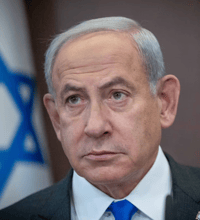
Prime Minister Benjamin Netanyahu has repeatedly warned Tehran against testing Israel’s response.
“Do not assume there will be quiet if you attack us,” Netanyahu said this week. “It will not be a replay. It will be something different, and far more powerful.”
For now, the fighting remains primarily a direct confrontation between the United States and Iran. But with American strikes moving from military installations toward bridges and other critical infrastructure, the risk of a wider regional war is growing by the hour.