Walk into certain homes and they immediately feel spotless. Countertops are bare, sofa cushions sit neatly arranged, and a pleasant aroma fills the air. Yet closer inspection might reveal dust on shelves, stains on the floor, and crumbs wedged between cushions. Meanwhile, a home scrubbed that very morning can appear neglected simply because dishes sit in the sink, papers cover the table, and belongings lie scattered across rooms.
The explanation is straightforward: we don't inspect every surface for cleanliness. Instead, we form rapid overall impressions. The brain registers the quantity of objects, the state of prominent surfaces, the lighting, and ambient smells, then decides whether the space feels clean, organized, and inviting based on these cues.
Fewer Objects Mean Less Visual Strain
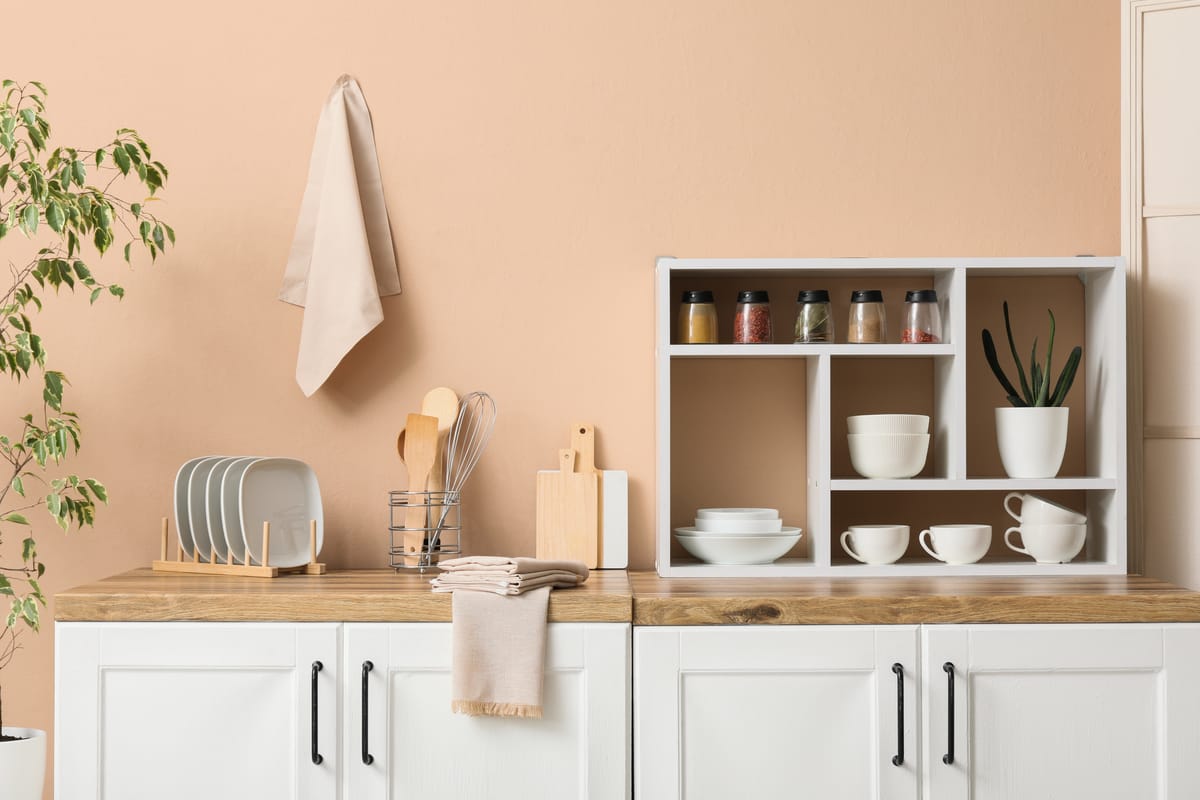
The most significant factor is visual clutter. A table covered with mail, glasses, medications, and charging cables will appear messy even if every item is clean. That same table, cleared except for a single bowl at its center, lends the entire room an air of order.
Research in visual perception demonstrates that clutter makes it harder for the eye to locate items and scatters attention across multiple stimuli. One study using eye-tracking technology found that within the first three seconds, people scan cluttered environments differently, their attention dispersing across a wider area. Additional research has shown that visual overload slows search times and impairs the ability to notice important details. While some studies were conducted using screens rather than actual homes, the principles of perception help explain why crowded rooms feel exhausting and chaotic.
This is why clearing the dining table, kitchen counter, and sofa creates a more dramatic transformation than thoroughly cleaning a hidden corner. The eye gravitates toward large surfaces, and when they're empty, it interprets the entire space as organized.
Scent Influences What We See
The sense of smell also participates in determining cleanliness levels. An orderly home filled with the smell of frying, dampness, or garbage will be perceived as dirty. Conversely, fresh air and the subtle scent of laundry or soap can reinforce the impression that the home was just cleaned.
Research on cleanliness perception in hospitality settings found that ambient scent, greenery, and shiny surfaces can influence visitors' assessments of cleanliness beyond the physical state of the location. Another experiment showed that scents identified as "clean" may prompt more positive attitudes toward shared spaces.
That said, there's no need to fill the home with strong air fresheners. The most effective approach is addressing the source first: empty the trash, clean the sink, ventilate rooms, and dry damp towels. Only then add a mild, pleasant fragrance.
Lighting Can Flatter or Expose Every Flaw
Lighting has a clear impact on a room's atmosphere. Bright white light may highlight stains, dust, and scratches, while warm, soft lighting creates a calmer, more homey feeling. When researchers examined illuminated spaces, they found that light intensity and tone affect emotional experience and how people evaluate their surroundings.
Rather than relying solely on a strong overhead bulb, use multiple light sources: a lamp in the living room, lighting above the work surface, and soft light in the dining area. The combination creates depth and gives the space a planned, well-maintained appearance.
Order Also Affects Psychological Well-Being
Clutter isn't merely an aesthetic issue. In a study of 60 working couples published in PubMed, researchers Darby Saxbe and Rena Repetti analyzed how participants described their homes. Women who described their homes as cluttered, unfinished, and stressful showed less desirable patterns of cortisol secretion throughout the day and worsening mood. It's important to note this was a small correlational study, so one cannot conclude that clutter alone caused these outcomes, but it points to an intriguing connection between home perception and psychological stress.
The Trick That Tidies a Home in Minutes
When time is short, there's no need to begin with deep cleaning. Focus on what the eye and nose register first: clear the table and counter, empty the sink, return shoes to their place, fold the blanket, straighten the cushions, take out the trash, and open windows.
Grouping objects can also create change. Five bottles scattered across a counter look like clutter, but those same bottles placed together on a tray appear as an organized corner. Toys in a basket, chargers in a box, and keys on a tray reduce the number of items the eye must process.
The order illusion isn't a substitute for genuine cleaning, but it explains why certain homes always appear well-kept. Cleaning removes dirt, while order soothes the eye. When there isn't time to do everything, a few clear surfaces, flattering lighting, tidy textiles, and fresh scent can make a home look far cleaner than it actually is.