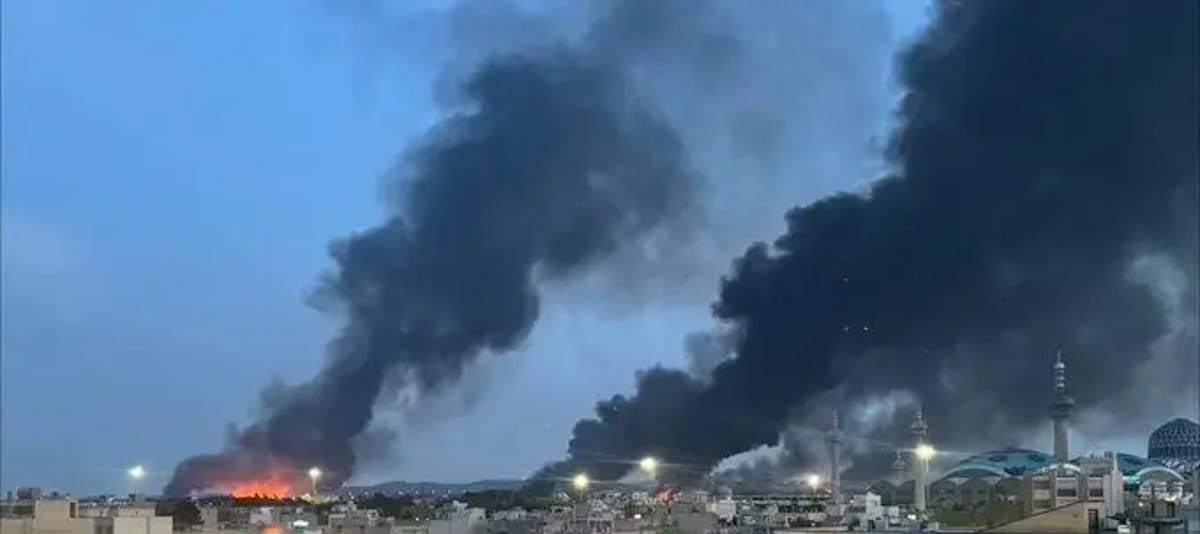
The Iranian capital is currently facing a dual catastrophe as "black rain" begins to fall over Tehran, signaling a massive environmental and economic disaster that experts say will haunt the nation for generations. Following high-intensity drone and missile strikes on March 8 that targeted massive oil storage tanks and refineries on the outskirts of the city, toxic chemical plumes have solidified into a dark, greasy precipitation. This event is being characterized as the single largest pollution incident of the war, but the true damage lies in the long-term chemical contamination of the soil and groundwater. For a nation already struggling under heavy sanctions, the multibillion-dollar cost of cleaning up these hazardous heavy metals and toxins threatens to drain the national budget for decades to come.
A Geographic Poison Trap
The scale of the disaster is being compared by chemical engineering experts to the 1991 burning of oil fields in Kuwait, with one terrifying difference: this pollution is centered in the heart of a metropolis housing 18.5 million people. The "black rain" consists of a cocktail of advanced explosives residue, heavy metals, and unrefined petroleum byproducts that have seeped into the ground. Doug Weir, director of the CEOBS organization, warned that cleaning up the pollutants released in these explosions is an exceptionally complex and expensive process. These toxins do not simply wash away, they remain in the water table for years, creating a permanent health hazard for the population and a massive financial burden for any future reconstruction efforts.
The Real Estate and Industrial Collapse
The economic consequences have already reached the residential and industrial sectors. Tehran’s real estate market, once the center of Iranian wealth, is witnessing a sharp decline as the capital becomes increasingly uninhabitable. Reports indicate that established engineers and wealthy professionals have begun moving their families to the north of the country to escape the toxic air and chemical deposits. This internal migration is causing a significant drop in property values near industrial zones. Furthermore, the destruction of the refineries has severed the lifeblood of the city's heavy industry and transportation networks, leading to a massive loss of workdays and a direct hit to the local Gross Domestic Product.
Regional Energy Risks
Beyond the capital, the environmental war threatens the entire Persian Gulf region, which holds some of the world's largest oil and gas reserves. The area is dense with desalination plants, offshore platforms, and nuclear sites. Experts warn that any further damage to these strategic assets could trigger a wider economic catastrophe, potentially causing global energy prices to skyrocket. With communication networks inside Iran largely severed since February 28, the full extent of the financial pit created by the burning fuel reserves is still being calculated, but it is clear that millions of Iranians will be paying the price for this industrial ruin for the rest of their lives.