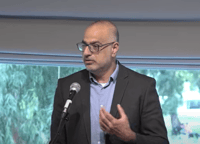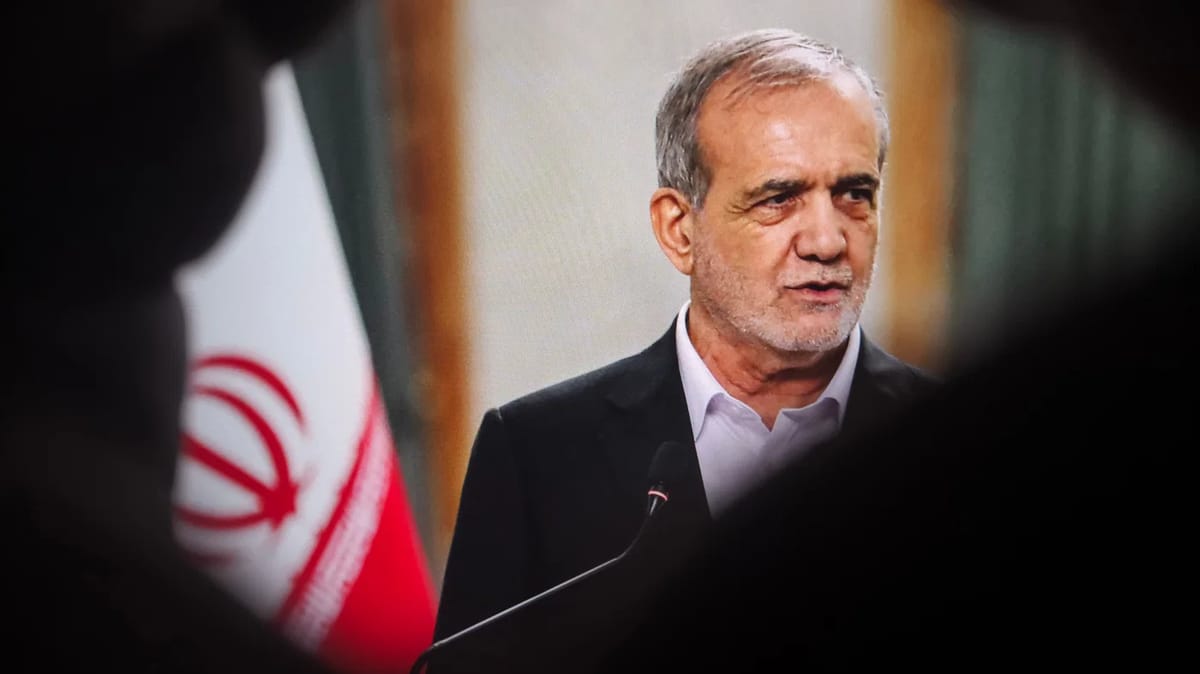
Iranian President Masoud Pezeshkian declared on Thursday that any attempt to impose a naval blockade is "doomed to failure," calling the move a violation of international law that undermines the interests of regional nations.
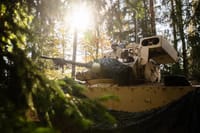
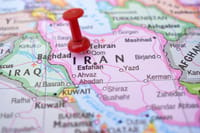
The President's remarks come as the U.S. naval blockade in the Strait of Hormuz continues to paralyze Tehran’s export capabilities, plunging the country into an escalating economic crisis.
Regional Defiance
Pezeshkian emphasized that the Persian Gulf is "not an arena for the imposition of unilateral foreign wills." He argued that regional security must be maintained through internal cooperation rather than external force.
"Security can only be guaranteed by the countries of this region," Pezeshkian stated, signaling a rejection of the heavy American military presence.
The Economic "Suffocation"
Despite the defiant rhetoric, reports indicate the blockade is taking a massive toll. To manage a growing oil storage crisis, Iran has been forced to reactivate tankers nearly 30 years old. One 29-year-old vessel, inactive for years, was recently spotted near Kharg Island, Iran's primary oil export hub.
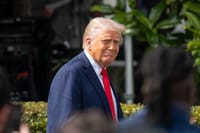
U.S. President Donald Trump has described the strategy as a highly effective alternative to traditional warfare.
Financial Impact: Trump claims the blockade is costing Iran approximately $500 million per day.
Direct Stance: "The Iranians are suffocating, like a fatted pig," Trump said, vowing the pressure will continue until a total nuclear surrender is achieved.
Diplomatic Deadlock and Military Readiness
Earlier this week, Iran proposed reopening the Strait of Hormuz and lifting the blockade as a precondition for future nuclear talks. President Trump rejected the offer immediately, stating, "There will never be a deal if they do not give up nuclear weapons."
As the two-week ceasefire nears its end, the situation remains on a knife-edge:
- U.S. Strike Plans: President Trump is scheduled to be briefed by CENTCOM on a "short and powerful" strike plan against Iranian infrastructure.
- Iranian Threats: Senior official Mohsen Rezaee warned that a U.S. ground invasion would result in "mass captivity" for American soldiers, while Parliament Speaker Qalibaf called for national unity against "enemy plots."
With Admiral Brad Cooper confirming that dozens of vessels have already been turned back by U.S. forces, the blockade remains the primary lever of pressure.