Hamas has privately informed international ceasefire mediators that it will cease public executions of rivals and clan members within the Gaza Strip, according to reports citing Arab officials. The decision follows warnings that the high-profile killings risk providing Israel with a pretext to resume military operations, potentially collapsing the fragile truce.
The commitment, reported by the Wall Street Journal, comes amidst a violent crackdown by Hamas’s internal security forces aimed at reasserting control over the territory following the recent ceasefire and partial Israeli withdrawal. In the preceding days, the militant group has been accused of conducting a brutal campaign against organized clans, criminal gangs, and perceived collaborators with Israel.
Internal Power Struggle Escalates
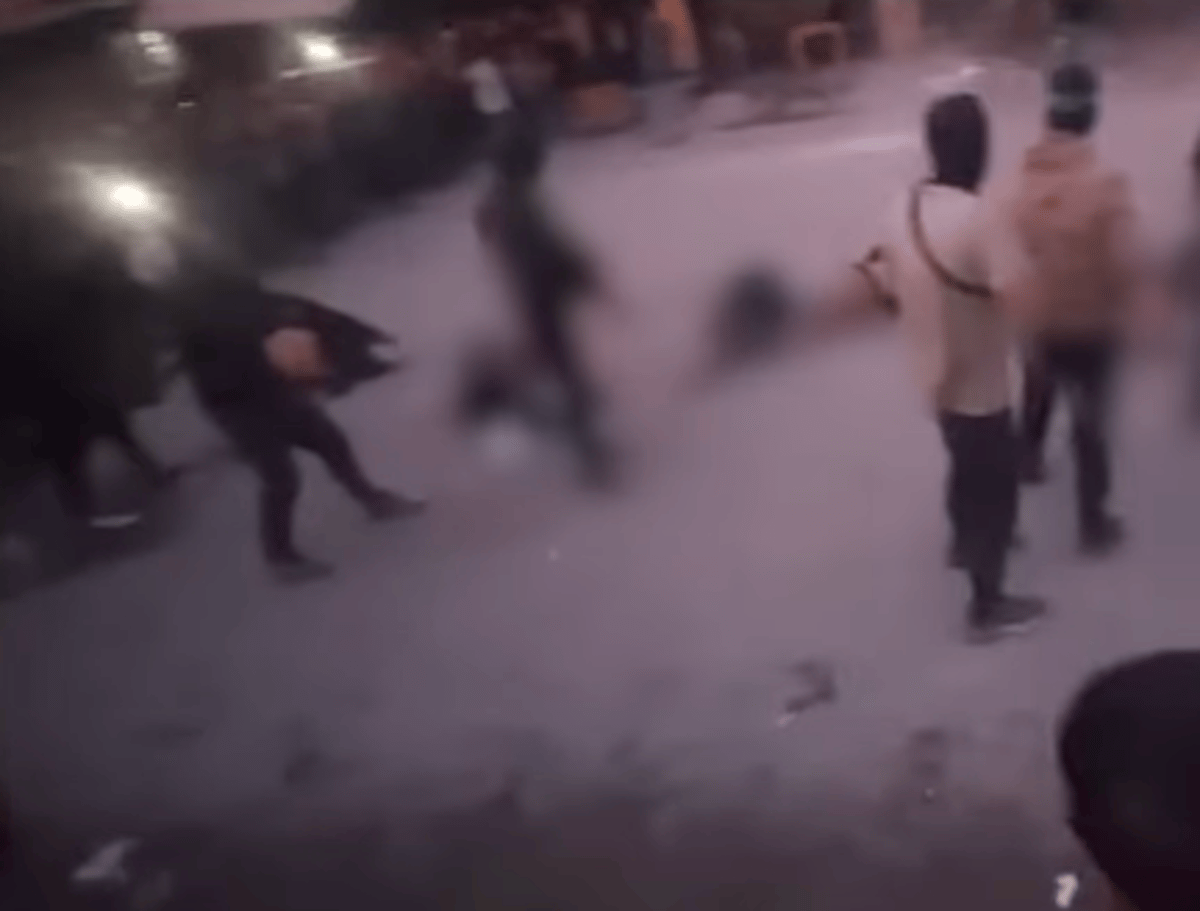
The reported promise to halt public executions is a direct response to international pressure, particularly after graphic videos of masked gunmen summarily executing blindfolded, kneeling men in Gaza City streets circulated widely. These actions were part of a broader operation to suppress groups, including members of prominent families like the Doghmush clan, who challenged Hamas's authority during the two-year war and the subsequent power vacuum.
Sources indicate that the executions were often carried out under the guise of punishing "outlaws" and "collaborators," with estimates suggesting dozens of Palestinians have been killed or wounded in the internal strife since the ceasefire took effect.