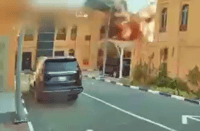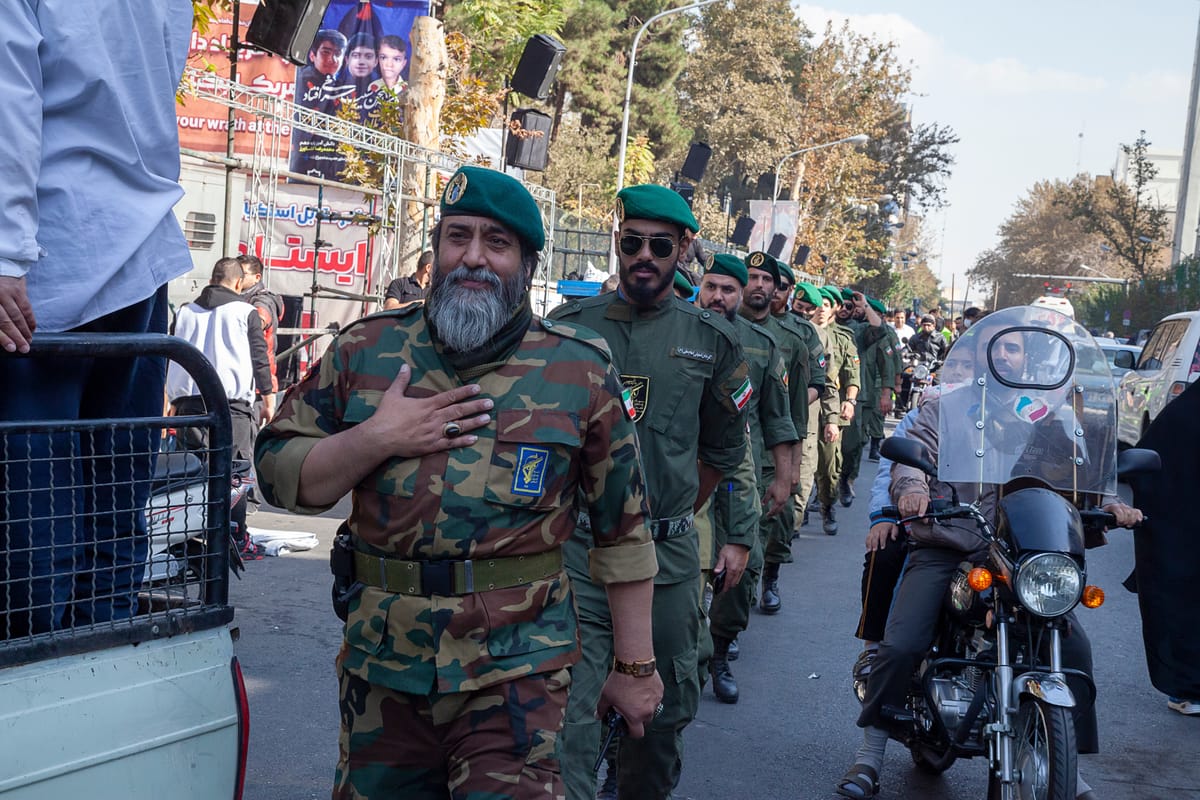
In what could be one of the most significant blows to the Iranian military hierarchy since the start of the war, initial reports indicate that Brigadier General Mohammad Karami, the Commander of the Islamic Revolutionary Guard Corps (IRGC) Ground Forces, has been targeted in a precision strike. According to the Saudi state-owned broadcaster Al Arabiya, the strike was carried out by the Israeli Air Force as part of the ongoing campaign to dismantle the leadership of the Iranian regime. While official confirmation from Tehran remains pending, the potential loss of Karami represents a massive disruption to the IRGC’s ability to coordinate ground operations and manage its internal security apparatus during a time of unprecedented external pressure.
A Career of Internal Suppression and External Power
Mohammad Karami is not just a high-ranking military officer, he is a central figure in the regime’s strategy for both domestic control and regional influence. As the head of the IRGC Ground Forces, he was responsible for the deployment of troops within Iran to crush dissent and the coordination of land-based assets that support the "Axis of Resistance." His targeting comes at a moment when Israel and the United States have escalated their "decapitation" strategy, aiming to remove the individuals most responsible for directing the regime’s war machine. If his death is confirmed, it would follow the recent elimination of several other top-tier leaders, leaving the IRGC command structure increasingly hollowed out and reliant on less experienced officers.
The Impact of the Strike
The targeting of a figure as prominent as Karami suggests that Israeli intelligence has deeply penetrated the highest circles of the Iranian security establishment. Such a strike requires real-time, actionable data on the movements of the regime’s most protected individuals. For the IRGC, the loss of their ground commander during an active war would be a psychological and operational disaster. It signals to the remaining leadership that nowhere in Iran is safe, and that even the heads of the most powerful military branches are vulnerable to long-range, precision air power. As reports continue to filter out of the region, the world is watching to see how the IRGC will attempt to stabilize its ranks following this potential loss.