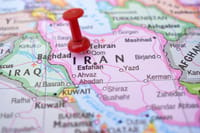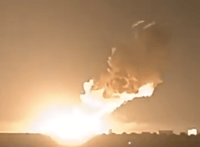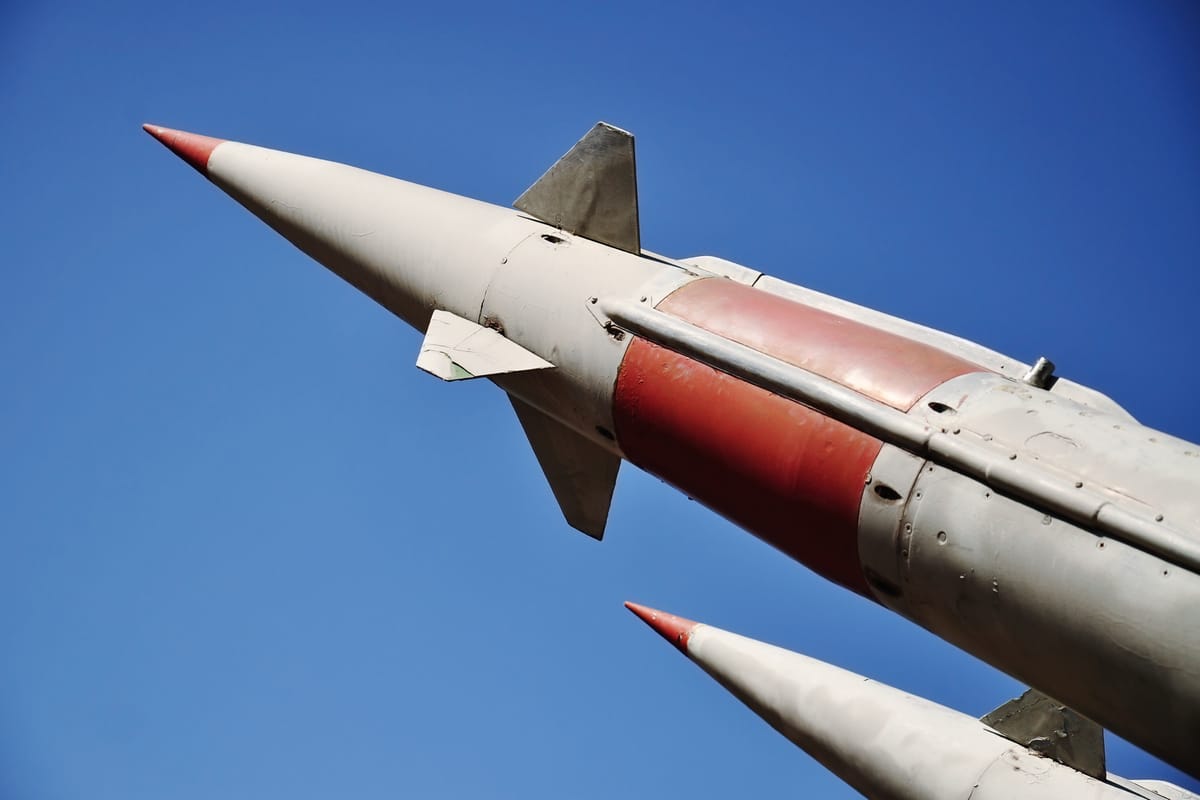
The Iranian Revolutionary Guard Corps (IRGC) announced on Wednesday night that it has carried out its "heaviest and most powerful operation" since the start of the war. According to Iranian state media, the massive overnight strike involved the launch of long-range ballistic missiles, including the advanced "Khorramshahr" type, targeting both Israeli territory and American military assets across the Middle East. This strategic move was carefully timed to coincide with a 100-rocket barrage from Hezbollah, marking a clear attempt by the "Axis of Resistance" to reclaim the initiative. In Israel, the security cabinet met in an emergency session to discuss a significant expansion of the war in Lebanon, with officials warning that Hezbollah is now acting like a group with "nothing to lose."
Targeting America and Israel
The IRGC’s decision to target "American assets" in the region alongside Israeli cities represents a major escalation in the scope of the war. By using the Khorramshahr missile, which is known for its heavy warhead and long range, the Iranian regime is attempting to signal that it can still strike with devastating force despite the loss of its navy and significant portions of its air defenses. In Israel, the sirens echoed from the northern Galilee to the central districts, forcing millions into shelters as the dual threat of Lebanese rockets and Iranian ballistic missiles filled the skies. While the IDF has not yet detailed the full extent of the damage to US or Israeli facilities, the "intensity" of the fire was noted by military observers as a new peak in the war.
Retaliation in the Dahiyeh
The response from the Israeli Air Force was immediate and severe. As the rockets were still being intercepted, the IDF announced a "wide wave of strikes" against Hezbollah infrastructure in the Dahiyeh district of Beirut. This included the targeting of high-rise buildings and "towers" used by the terrorist organization for operational purposes. A security source explained that the Intelligence Directorate had provided advanced warning of the Hezbollah barrage, allowing the Air Force to strike several launchers before the attack began, though the sheer scale of the coordinated effort required a much broader retaliatory response. The IDF is now hitting targets in the heart of the Lebanese capital with the aim of "erasing" the threat once and for all.
Threats to National Infrastructure
During a security consultation at 8:00 PM, Prime Minister Netanyahu and senior ministers discussed the recommendation to begin striking "national infrastructure" in Lebanon. This would mark a departure from targeting only Hezbollah-specific sites and would hold the Lebanese state directly accountable for the terror emanating from its borders. "The direction right now is an expansion of the operation in Lebanon significantly," a senior official stated. Israel has signaled that it can manage two fronts simultaneously and will not "take its foot off the gas" in Iran even as it prepares for a potential ground maneuver or a total infrastructure war in Lebanon. The next 24 hours are expected to determine if the war will expand into a total regional conflagration.