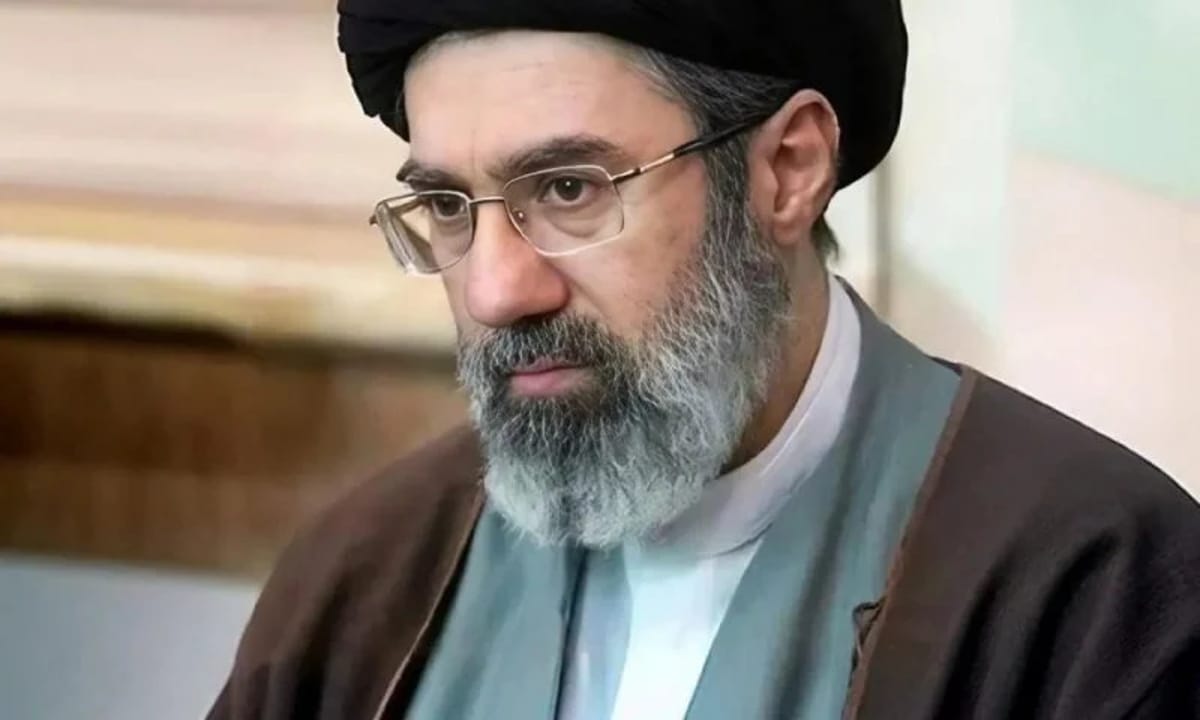
The sweeping diplomatic alignment between Washington and Tehran has been unmasked by Middle Eastern espionage agencies as a highly sophisticated tactical feint designed to salvage the Islamic Republic from total economic collapse without compromising its atomic ambitions. Top tier intelligence assessors inside Israel have formulated a comprehensive evaluation indicating that Iran's newly elevated Supreme Leader, Mojtaba Khamenei, possesses absolutely no genuine intention of ever finalizing a permanent global security treaty with the United States. According to high level defense updates broadcast on Tuesday evening by Channel Twelve News, the supreme clerical authority intentionally sanctioned the preliminary memorandum of understanding strictly to neutralize catastrophic Western pressure while preserving the regime's core unconventional military assets.
The definitive findings compiled by intelligence directors clarify that Tehran's strategic concession was explicitly engineered to secure the immediate removal of the comprehensive United States naval blockade on Iranian commercial harbors and to formalize the reopening of the strategic Strait of Hormuz. This critical maritime relief is projected to rapidly restore the flow of international oil revenues, effectively financing the domestic reconstruction of the clerical regime and stabilizing its internal security apparatus after a devastating regional war. However, defense analysts emphasize that Khamenei has drawn a rigid red line regarding the nation's highly advanced atomic infrastructure, maintaining a firm policy that refuses to permit any substantive concessions or verifiable oversight regarding the nuclear project during the upcoming diplomatic rounds.
The severe strategic pitfalls embedded within this interim framework have prompted a wave of urgent, classified warnings from senior defense officials to high level political decision makers over the past twenty four hours. Internal security documents explicitly caution that the defense establishment assesses that Iran will drag out the time, and that the sixty days of negotiation will become much more, transforming a temporary diplomatic window into an indefinite shield against Western intervention. Security planners emphasize that the upcoming bilateral talks in Switzerland will merely serve as a convenient diplomatic smoke screen, allowing the regime to systematically exploit the lack of active international monitoring to reinforce its covert distribution networks.
The long term danger of this diplomatic loophole was further illuminated by a prominent senior defense executive who expressed profound distress over the immediate operational opportunities granted to Tehran during the interim phase. The defense insider warned that the regime will actively utilize the unmonitored sixty day window to orchestrate covert physical maneuvers on the ground, drastically shortening the precise operational timeline required to finalize a functional atomic weapon. The senior official underscored the inevitability of this threat by stating that nothing else should be expected from a regime bent on revenge, while further noting that it would be very surprising if Iran does not invest all efforts and tricks to shorten its nuclear breakout range under the auspices of the talks.