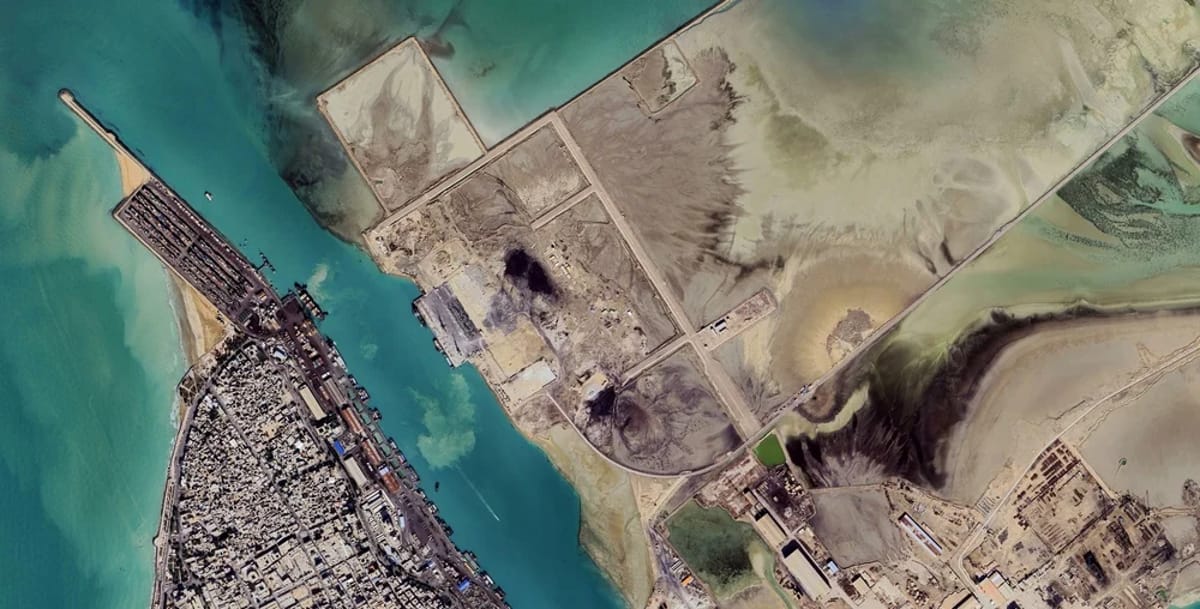
The highly controversial diplomatic framework between Washington and Tehran has rapidly transitioned into its initial operational phase, with maritime trade networks experiencing a monumental realignment across the Middle East. Authorities in Iran officially declared on Tuesday that the comprehensive United States naval blockade previously restricting access to the nation's primary commercial shipping hubs has been fully dismantled. This major geopolitical development materialized precisely three days prior to the scheduled formal signing of the upcoming memorandum of understanding between the two global adversaries, signaling an immediate easing of catastrophic economic pressures that have defined the recent maritime war.
The rapid implementation of the maritime agreement has triggered immense diplomatic friction among traditional Western allies, with prominent regional news networks exposing deep rifts between American and Israeli intelligence agencies. Broadcast dispatches circulated by Sky News Arabia revealed that the United States administration flatly rejected an explicit, high level request from Israeli leadership to review the granular operational details and hidden clauses embedded within the freshly negotiated text. This strict informational blackout underscores Washington's current determination to finalize the sweeping diplomatic pact without allowing external regional security considerations to disrupt the delicate momentum established with Iranian negotiators.
The lifting of the stringent naval containment measures follows an official policy announcement by US President Donald Trump, who confirmed that the strategic Strait of Hormuz has been successfully reopened to international merchant shipping. The executive declaration was explicitly crafted to reassure nervous global commodities markets and international shipping conglomerates that stability has returned to the vital energy corridor. Trump publicly announced that the ships are beginning to move, many of them loaded with oil, out of the Straits of Hormuz, further clarifying that they are sailing along the southern route, which is absolutely safe, secure and clean, while noting that additional maritime paths are also operational.
Despite the sweeping concessions granted to Iranian commercial interests, defense administrators in Washington emphasized that Western military assets will maintain a robust, visible presence throughout the strategic waterways. Official spokespersons clarified that United States Navy flotillas, operating in close coordination with a broad international maritime coalition, will continue to systematically monitor all vessel movements across the Persian Gulf to guarantee that all regional participants strictly adhere to the negotiated protocols. The immediate result of the stabilization announcement was felt across global financial centers, where crude oil benchmarks recorded an immediate, sharp decline due to the anticipated influx of millions of barrels of crude back into the international supply grid.