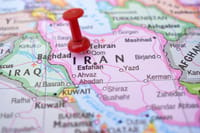
Senior officials from the United States and Iran are scheduled to convene in Islamabad, Pakistan, this Saturday to begin the arduous task of negotiating a long term peace treaty. While President Trump has publicly praised Iran's "10-point plan" as a viable basis for discussion, significant gaps remain between Tehran’s demands and the 15-point counter proposal drafted by the White House. The upcoming summit represents the first face to face attempt to resolve the core issues that led to the most recent war, including Iran’s nuclear ambitions and its support for regional terrorist groups. However, behind the optimistic social media posts, diplomats warn that the two sides are still miles apart on several non-negotiable items.
The Nuclear and Regional Divide
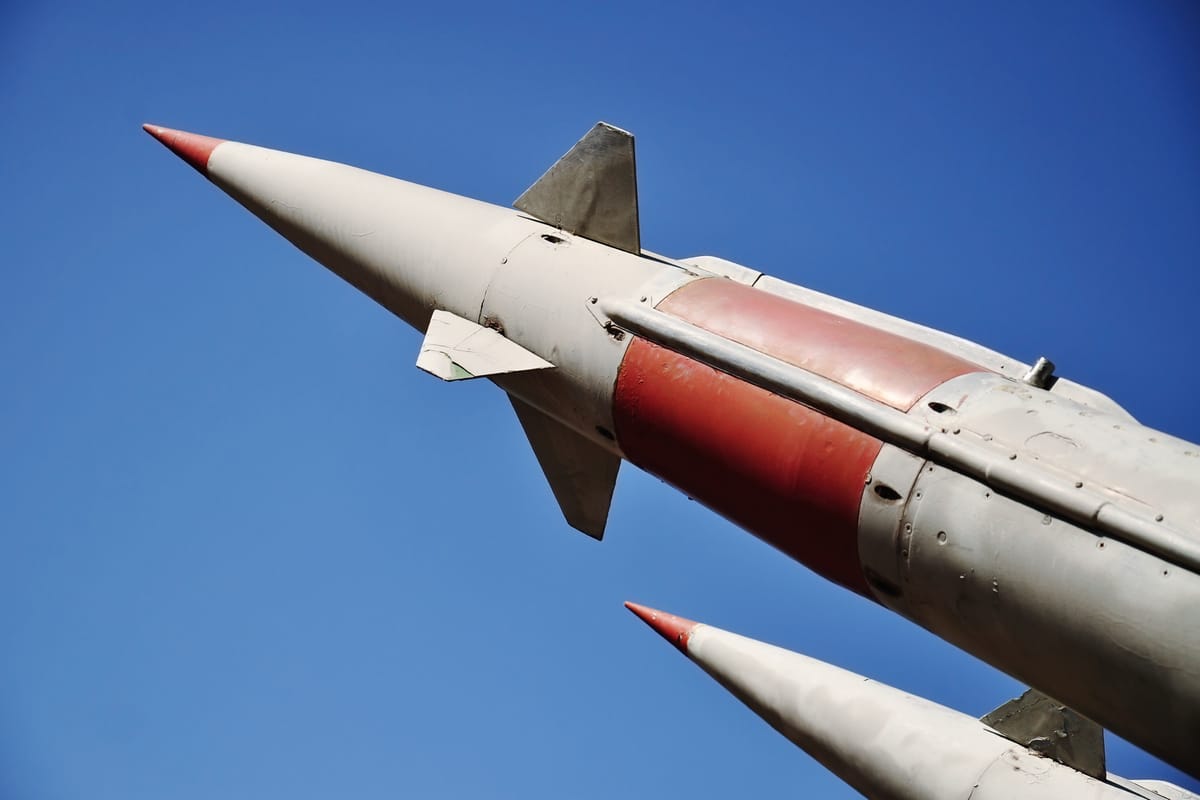
The most contentious issue heading into the Islamabad talks is the future of Iran’s nuclear program. The Iranian 10-point plan demands international recognition of its right to enrich uranium on its own soil. In sharp contrast, the American proposal, backed by personal statements from President Trump, requires a total cessation of all enrichment activities within Iran. Furthermore, the U.S. is demanding the immediate transfer of 450 kilograms of high grade enriched uranium out of the country, a move the Iranian leadership has resisted for years. The American side also seeks strict limitations on Iran’s ballistic missile program and a definitive end to its funding of proxies across the Middle East, neither of which were addressed in the initial Iranian proposal.
Despite these "frontal conflicts," there are signs of potential movement on other issues. One area of surprising common ground involves the management of the Strait of Hormuz, where both sides have expressed interest in a joint venture to secure the waterway. However, the situation in Lebanon remains a potential deal breaker. While Iran and its Pakistani mediators insist that any ceasefire must include Hezbollah and Lebanon, the Israeli government and President Trump have clarified that the current truce is limited to direct hostilities between the U.S. and Iran. As the delegates prepare for Saturday’s meeting, the world remains cautious, knowing that the failure to bridge these gaps could result in a total resumption of the war within a matter of days.