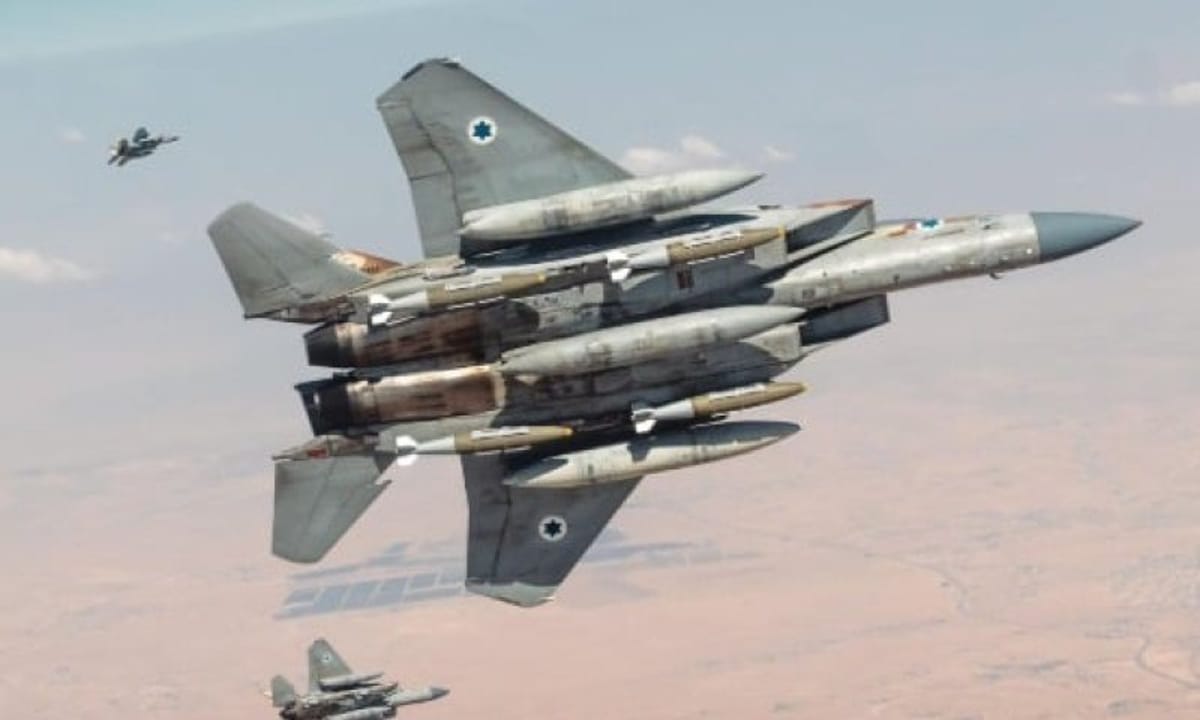
The political and military leadership of Israel has initiated an intense diplomatic and operational push to expand the boundaries of the ongoing northern war, requesting formal clearance from the United States to launch wide-scale air strikes against targets in Beirut. Prime Minister Benjamin Netanyahu convened a highly restricted security consultation on Sunday evening, marking the second emergency defense session assembled within a compressed twenty-four-hour window. The urgent deliberations center on a proposed transition away from the current model of capturing border territory toward executing sustained aerial operations within the Lebanese capital.
The operational shift depends heavily on an active, rapidly accelerating dialogue with the White House, as Israeli planners look to secure full strategic alignment with American partners before deploying heavy assets to the northern metropolis. Netanyahu held a detailed phone consultation with United States Secretary of State Marco Rubio, attempting to convince senior administrative officials and President Donald Trump that Israel cannot afford to grant any form of immunity to terrorist networks operating out of Beirut. The prime minister argued that simple, isolated targeted actions are no longer sufficient to halt the continuous threat facing border communities.
According to senior diplomatic sources in Jerusalem, the ongoing discussions have revealed an evolving posture within the American administration regarding the necessity of harsher military measures. A high-ranking Israeli official familiar with the backchannel communications noted that the Americans are currently demonstrating a notably greater degree of openness to the revised operational strategy, though he cautioned that there is no final or definitive approval at this exact moment. The political echelon is working continuously to turn this diplomatic openness into a concrete green light for the air force.
The push to expand the geographic scope of the air campaign is receiving immense, sustained pressure from the upper echelons of the defense establishment. Both the Minister of Defense and Chief of Staff Eyal Zamir are pushing hard during closed-door cabinet debates to broaden the offensive footprint of the military, presenting fully realized operational strike plans for the Beirut sector. These detailed military blueprints include comprehensive contingency protocols for the organized evacuation of civilian populations from targeted neighborhoods if dense urban sectors are slated for active bombardment.
Despite the intense internal momentum driving the military plans, Netanyahu acknowledged during highly confidential briefings that the state cannot always act as rapidly or as forcefully as it desires due to ongoing American diplomatic restraints. The political leadership must carefully balance immediate battlefield requirements against the long-term necessity of maintaining total geopolitical coordination with Washington. As the air force remains poised for deployment, the final execution of the expanded Beirut campaign hinges entirely on whether the ongoing dialogue with the Trump administration yields an official authorization.