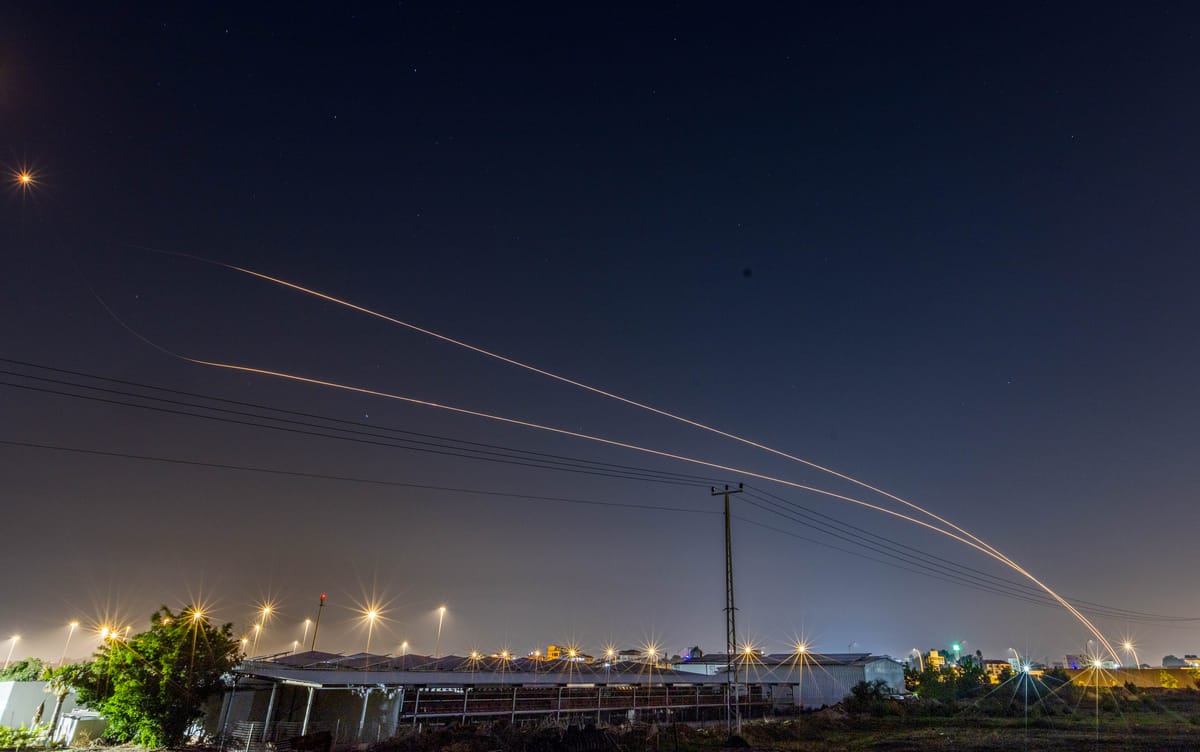
Israel’s sophisticated air defense network demonstrated remarkable capabilities during its recent direct encounters with Iran, yet military experts are now sounding the alarm about a looming challenge that technology alone cannot solve. The concern is not a sudden failure of Israeli algorithms or radar, but the reality that interceptors are finite, extremely expensive, and difficult to replace. If Tehran decides to pivot from short, intense spikes of violence to a sustained campaign of repeated missile salvos, the Israeli home front could face a much higher level of risk than seen in previous exchanges.
In the earlier stages of the war, Iran launched a coordinated volley of approximately 100 ballistic missiles. Israel’s multi layered defense system, supported by American assets, operated at an impressive scale. Official figures indicate an 86% success rate against these threats, but dozens of missiles still managed to penetrate the shield, resulting in deaths, injuries, and significant property damage. The primary bottleneck moving forward is the inventory of interceptor missiles. During the defense of Israel, U.S. forces reportedly expended between 100 and 150 THAAD interceptors. Current industrial production rates are only a fraction of what a high intensity war can consume in a matter of days. As one expert noted, what was available previously is simply not enough, suggesting that the speed of replenishment will dictate the duration and intensity of the next phase of the war.
The financial and logistical strain of this defense is immense. Analysts have pointed out that the United States used more than a year’s worth of THAAD production in recent fighting. With each THAAD interceptor valued at roughly $12.7 million, the economic cost of maintaining the shield is staggering. This reality highlights why industrial capacity is becoming just as critical as the military hardware itself. Israel is already taking steps to address these gaps through a significant increase in defense spending. This funding is aimed at replenishing stocks and accelerating the procurement of Arrow interceptors, a necessary move when an adversary relies on sheer volume to overwhelm defenses.
Additionally, efforts are underway to expand the procurement of Iron Dome systems and scale up the production of Tamir interceptors in both the United States and Israel. While the Iranian Revolutionary Guard Corps continues to learn from previous exchanges and attempts to rebuild its missile apparatus, Israel is in a frantic race to deepen its shield. The ultimate question facing military planners is not whether the systems can hit their targets, but whether Israel and its American allies can maintain that pace of interception over a long, drawn out war imposed by Tehran.