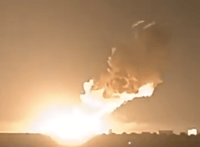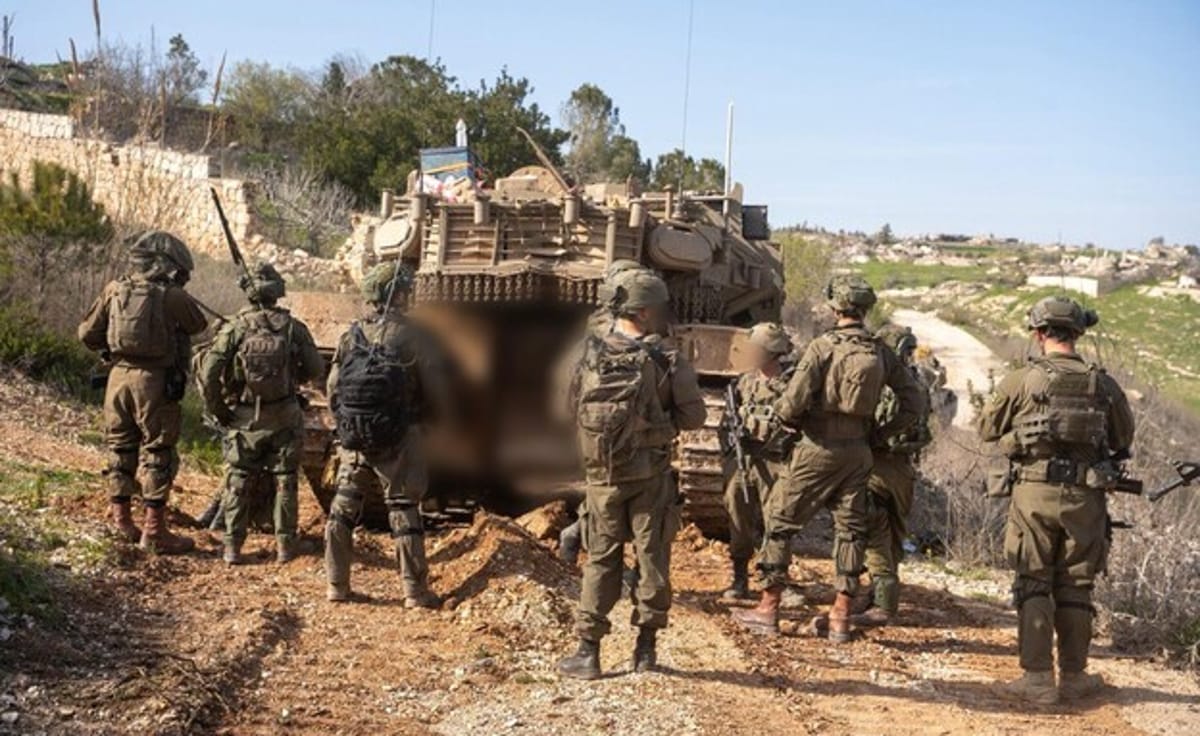
Despite the continuing exchange of heavy fire across the northern border, reports have surfaced that Israel and Lebanon are expected to conduct negotiations in the coming days. According to sources cited by Reuters and details provided by French diplomats, the government in Paris has formulated a bold proposal aimed at ending the war in Lebanon once and for all. This proposal reportedly contains a groundbreaking clause: the formal Lebanese recognition of Israel as a sovereign state. While the fighting remains intense, the diplomatic activity behind the scenes suggests that international mediators are working feverishly to capitalize on the recent military pressure applied to Hezbollah to secure a long-term diplomatic resolution.
The Terms of the French Initiative
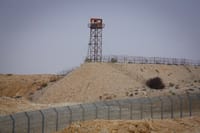
The French proposal outlined by sources close to the negotiations focuses on a complete restructuring of the security landscape in southern Lebanon. Under the plan, the Lebanese Armed Forces would be redeployed to take full control of the territory south of the Litani River, effectively acting as a buffer to ensure that Hezbollah terrorists cannot return to their previous border positions. In exchange, Israel would be required to withdraw its forces within one month from the areas it has occupied since the start of the war. This "land for security" framework is designed to restore Lebanese sovereignty while providing the security guarantees that Israel requires for its northern residents to return home.
Obstacles to a Breakthrough
While the rhetoric from Paris and some Lebanese officials is optimistic, significant hurdles remain. Within the Lebanese government, there are deep divisions regarding who should represent the country in these talks. Speaker of the Parliament Nabih Berri has insisted that all strikes must stop before any official negotiations begin, and he has so far refused to appoint a representative for the delegation. Meanwhile, Hezbollah leadership has dismissed the initiative as a "failed project," arguing that the conditions, specifically the demand for them to surrender their weapons and for Lebanon to normalize relations with Israel, are unacceptable.
Negotiations Under the Gun
The Israeli side, represented in these efforts by Ron Dermer, remains cautious. While the possibility of talks is on the table, the IDF continues its operations to maintain leverage. Israeli officials have indicated that they are "negotiating under fire" and are in no rush to grant a ceasefire that might allow Hezbollah to regroup. The most likely venue for these talks is reported to be Cyprus, though no official time or place has been finalized. As the diplomatic dance continues, the success of any peace plan will ultimately depend on whether the Lebanese state can truly exert control over its territory and if the international community can enforce a permanent removal of terrorist threats from the border.