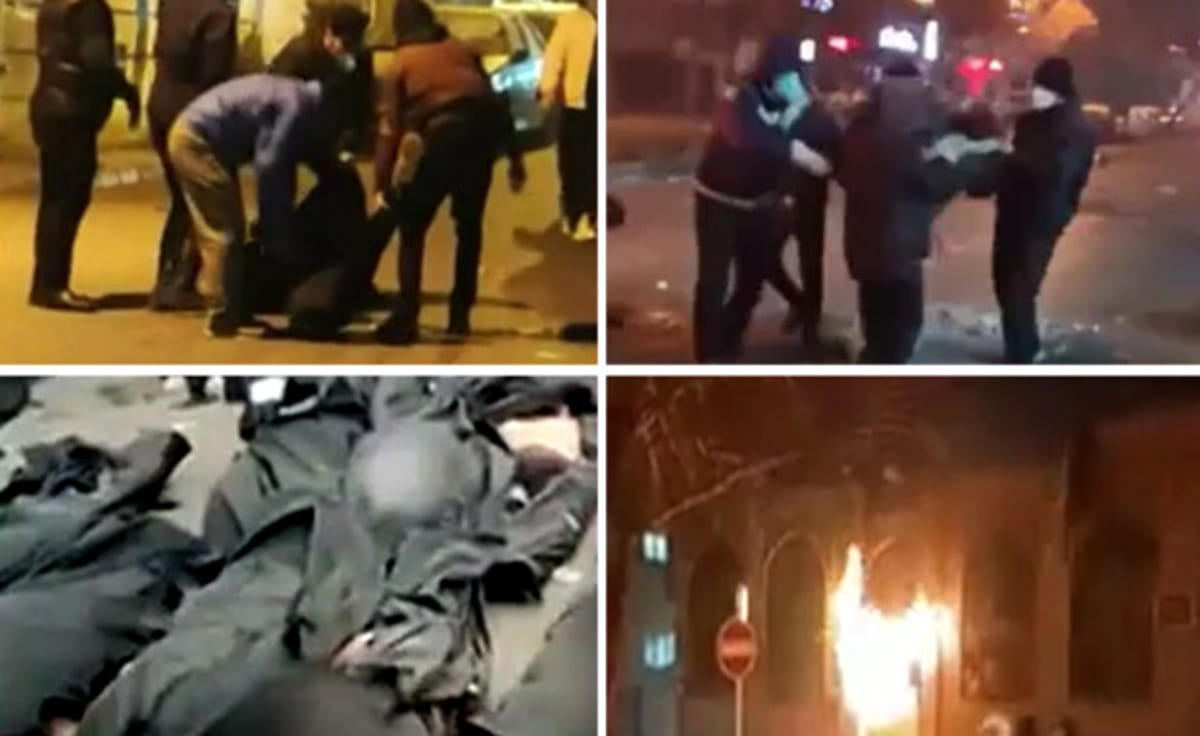
A month has passed since the dramatic night of protests in Iran that devolved into an unprecedented massacre of civilians by the regime. Exclusive footage has now surfaced, captured by a brave Tehran resident who has been filming life behind the Islamic iron curtain since March 2022. This citizen, who faces torture and execution if caught documenting for the outside world, recorded the chaos, the burning streets, and the profound despair of a population begging for international intervention that never arrived. The recordings provide a rare window into the forty-eight hours when the Iranian government cut off all internet and communication, creating a digital blackout to mask what witnesses are calling two days of genocide.
The Streets on Fire
The events of January 8 began with hundreds of thousands of protesters flooding the streets of the capital, unaware that the next twenty-four hours would become a historic bloodbath. In the footage, the roar of the crowd is constant, with cries of "Death to the Dictator" echoing through empty highways. The citizen journalist, audibly trembling in the recordings, admits his terror while panning the camera over collapsing bridges and masked protesters trying to evade facial recognition technology.
The destruction captured is immense. Protesters targeted everything representing the Islamic Republic, including Basij paramilitary headquarters, banks, and government vehicles. Most notably, the footage shows the remains of numerous mosques. While these are traditionally sacred spaces, researchers noted that even religious Iranians justified the arson, calling them "houses of oppression and extortion" rather than houses of God. By some accounts, over fifty mosques were burned in Tehran alone as the symbol of the regime's authority was systematically dismantled by the youth.
A Sense of Betrayal
The tragedy of the night was fueled by a deep sense of abandonment. Many protesters stated that they only took to the streets in such massive numbers because they believed the United States would back them. "The people feel betrayed by Trump," explained experts familiar with the situation. The crowd had clung to the belief that American help was on the way, a sentiment that encouraged millions to face down the regime's bullets. When that support failed to materialize, the hope that had turned Tehran into what residents called "paradise" only two months prior evaporated into a scene of black smoke and charred buses.
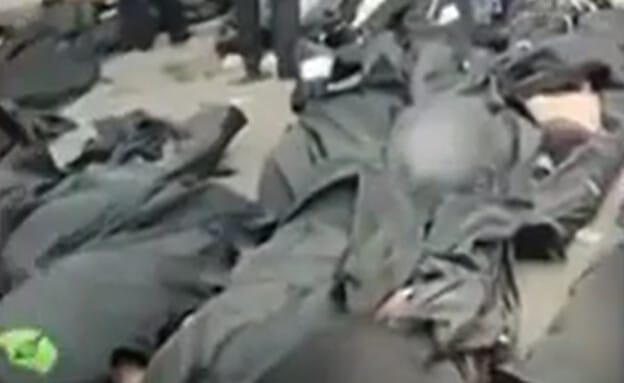
As the second day of the crackdown began, the footage shows bodies beginning to pile up in the streets. Witnesses reported that security forces killed seven or eight people in single neighborhoods in a matter of hours. The situation for the wounded was equally dire, many chose to bleed out in hiding rather than go to hospitals, fearing that the regime's agents would finish them off in their beds. The citizen journalist eventually had to stop filming as the sound of live gunfire drew closer. "I don’t even know where to go or which direction to walk," he whispered in his final recording before the line went dead. Though he survived the physical war, the scars of those forty-eight hours remain as a testament to a revolution that was met with absolute, unyielding silence from the world.