Missiles reach the capital
The attacks have made the security threat tangible in the heart of the kingdom. According to the report, a strike on Riyadh's international airport killed at least 12 people and wounded hundreds more. Two terminals were hit, with sections of their roofs collapsing. On Sunday, another strike was reported, causing a fire in Terminal 4 and additional casualties.
Debris from an intercepted ballistic missile struck a compound housing a kindergarten and a clinic. Workers in the financial district, students and diplomats have been forced to evacuate or take shelter.
The Houthis, backed by Iran, have threatened to continue striking Saudi Arabia, forcing the kingdom to deal with an ongoing threat that reaches far beyond its southern frontier.
The economy is paying the price as well. The strikes threaten energy facilities and oil-export routes, including the Saudi east-west pipeline that allows crude to reach the Red Sea while bypassing the Strait of Hormuz. In July, the Houthis declared a naval blockade against Saudi Arabia, and in September the pipeline was hit in an attack, according to the report.
At the same time, the conflict is weighing on bin Salman's plans to diversify the kingdom's economy and attract investment in tourism and technology. Massive projects, including the futuristic city of Neom, are already facing funding difficulties, and the additional security expenditures are making their realisation even harder.
According to the report, the Saudi finance ministry forecasts that the country's economy will contract by 3.6% in 2026. International events on which the kingdom is building its future, including Expo 2030 and the 2034 World Cup, are taking place against a backdrop of uncertainty.
Trump has not yet come to the rescue
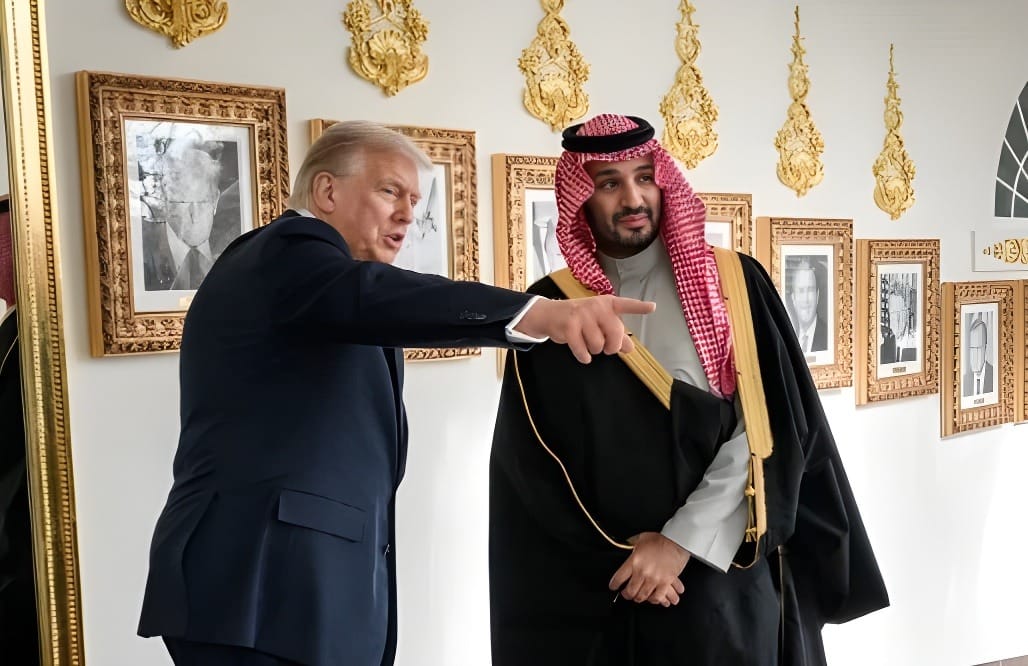
Despite bin Salman's close ties with US President Donald Trump and his commitment to invest a trillion dollars in the United States, Washington has not yet responded to Saudi requests for military assistance to halt the Houthi advance, though it has sent military advisers.
Saudi Arabia is meanwhile turning to Pakistan and searching worldwide for additional air-defence systems. At the same time, it is examining options to assist Yemeni forces fighting the Houthis, while also trying to find an opening for a political settlement.
The current confrontation is largely the result of a protracted war: Saudi Arabia intervened in Yemen's civil war in 2015, and the fighting ended with a ceasefire in 2022 that did not hold up against the current regional escalation.
Bin Salman now faces a complex dilemma. A broad military response could drag Saudi Arabia into a prolonged and costly campaign, but refraining from action could allow the Houthis to continue striking infrastructure and population centres.
This threatens his two central goals: maintaining the kingdom's security and transforming it into an economic power not dependent solely on oil.