Senior security officials from Saudi Arabia, Pakistan and Turkey met Iran's top leadership in Tehran last week, in the first high-level talks between Iran and the members of a new regional defense pact since the war began in February.
The meeting took place on Monday, October 26, at the Saadabad Palace in northern Tehran. It brought together Saudi Defense Minister Prince Khalid bin Salman, Pakistani Army Chief Field Marshal Asim Munir and Turkish intelligence chief Ibrahim Kalin. They met with Mohsen Rezaei, secretary of Iran's Supreme National Security Council, who hosted the talks, along with President Masoud Pezeshkian and Foreign Minister Abbas Araghchi.
Saudi Arabia, Pakistan and Turkey signed the Mecca Joint Defense Agreement in August. Under the pact, an armed attack on one member is treated as an attack on all.
The initiative came from Munir. During a visit to Tehran the week before, he told Rezaei that senior officials from the three countries had decided to travel to the Iranian capital for a joint meeting.
Saudi Arabia framed the visit as an effort to ease tensions and support mediation. In a post on X, Saudi Deputy Minister for Public Diplomacy Rayed Krimly said the delegation aimed to promote dialogue and diplomatic solutions, in support of mediation efforts by Qatar and Pakistan.
The talks came at a tense moment for Riyadh. They were the first high-level contact between Iran and Saudi Arabia since Yemen's Iran-backed Houthis escalated their attacks on the kingdom in September. Even while the meetings were underway, the Houthis claimed new attacks on Riyadh's airport and on pumping stations along the East-West pipeline. The meeting produced no public agreement to halt the attacks, and Iranian officials maintained that Tehran lacked the leverage to stop them.
Iran used the meeting to promote its long-standing call for what it calls "endogenous security," meaning a regional security system run by the region's states without outside powers such as the United States. After the talks, Rezaei said the sides had agreed that regional security should be achieved by the countries themselves, and that foreign intervention in the region must be prevented.
According to Turkish media, the talks also covered Israel's activities in the Middle East and developments in the Palestinian arena and Lebanon. The four countries issued a joint statement agreeing to continue their dialogue to strengthen cooperation, including on regional peace and security.
For Israel, the meeting carries significant implications. Iran, isolated after months of war, is seeking to recast itself as a partner in regional security. Closer coordination among Riyadh, Ankara and Tehran could increase diplomatic pressure over Israeli and American action against Iran and its proxies. At the same time, any dialogue that restrains the Houthis could reduce threats to shipping routes and to Israel's southern front.
Whether the talks become a lasting channel or fade in the next round of escalation remains an open question. Iranian missile activity has continued. On Sunday, a ballistic missile test launch was reported near the city of Hamedan.
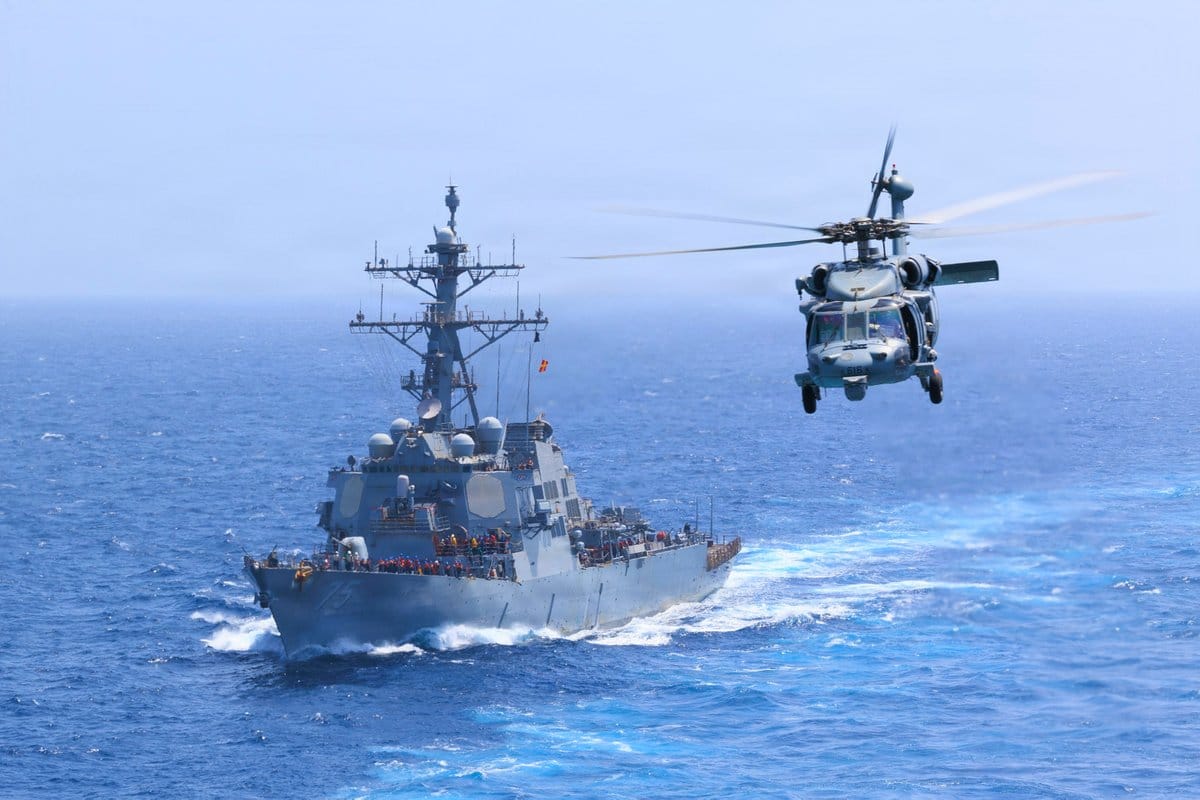
Meanwhile, the United States is strengthening Israel's defenses. According to The Wall Street Journal, Washington is moving a Patriot air and missile defense battery from Texas to Israel as the two countries prepare for a possible renewed campaign against Iran. The new battery will add to Israel's existing Arrow, David's Sling and Iron Dome layers. Washington has also warned Gulf states to prepare for a short, intense military campaign.