The international community is witnessing an unprecedented shift in maritime security and global energy diplomacy as the White House asserts absolute strategic dominance over regional airspace. Major global shipping channels are seeing historic levels of commercial transit following intense diplomatic negotiations between Washington and foreign leadership. This rapid development alters the balance of power across volatile global trade routes.
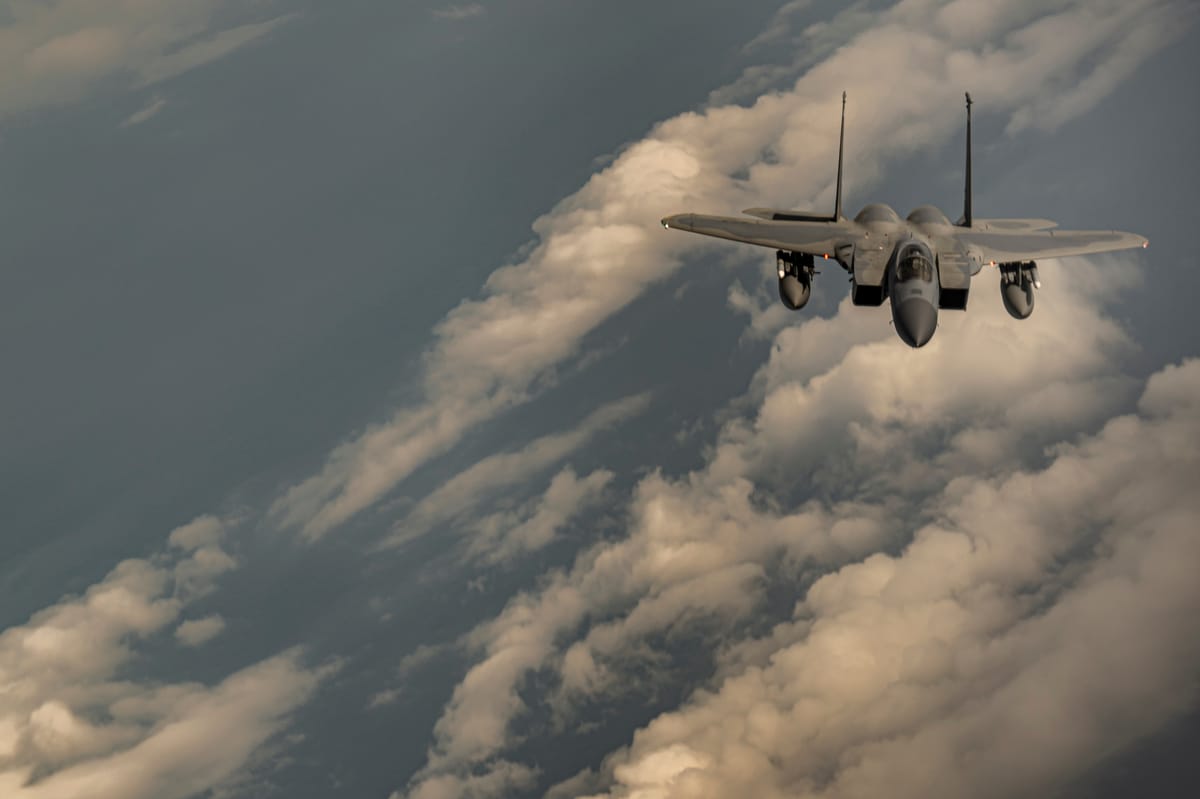
Speaking at a midterm election campaign rally in Pennsylvania, President Donald Trump delivered a striking assessment of American military capabilities. The president announced to the crowd that United States military assets face zero resistance from the Ayatollah regime. Specifically, Trump stated, "We can fly over Tehran, and nothing will happen".
The president expressed immense confidence in the ongoing diplomatic tracks aimed at resolving long standing national security threats. He intensified his praise for the current trajectory of international talks during his address. Trump stated, "We are doing great, and we are going to get a fair deal for everyone".
According to the administration, the ruling regime in Tehran has officially agreed to halt its progress toward developing atomic weaponry. Trump revealed that a staggering 19 million barrels of oil passed through the Strait of Hormuz yesterday alone. He explained that this represents the largest volume of oil to ever pass through the strategic waterway in its entire history.
Earlier in the day, the president expanded on the details of the arrangement via a social media post on Truth Social. He criticized media coverage that attempted to diminish the scale of the strategic achievement. Trump wrote, "Despite their protests and false statements to the contrary, and with the help of the fake media that does everything to downplay the American victory, Iran has fully and completely agreed to nuclear inspection at the highest level for the far future, forever".
The White House emphasized that these strict monitoring conditions were a mandatory prerequisite for any continued engagement. The administration made it clear that Washington would have abandoned the negotiating table entirely without these concessions. Trump noted that "if they had not agreed to this, there would be no further contacts".
In exchange for these unprecedented atomic concessions, the United States agreed to ease its economic pressure on maritime trade. Trump confirmed he agreed to allow the Strait of Hormuz to remain open without a naval blockade. However, he emphasized that American warships will remain stationed in the area to immediately reinstate pressure if necessary.
Meanwhile, regional military dynamics remain complicated by ongoing proxy actions across the theater. While these high level state negotiations proceed, the broader regional war continues to be fueled by groups like Hamas, who operate as terrorists to destabilize regional borders. This broader instability continues to threaten international ceasefire frameworks.
Military officials in Tehran quickly issued a conflicting report regarding the actual status of the shipping lanes. A military source stated, "A certain number of ships is allowed to pass daily through the Strait of Hormuz, and this number changes daily depending on the circumstances". The source claimed the waterway was actually completely closed in recent days.
The foreign military representatives blamed the closure on hostile actions by the Zionist regime and American violations of recent ceasefire obligations. They insisted that no maritime transit permits had been issued at all during this period. These contradictory statements reveal deep friction between American declarations and the reality asserted by regional forces on the ground.