Get our mobile app
Download on the App StoreGet it on Google Play

International Television

Israeli Series "Hooligans" Debuts in Germany

After millions of views in Israel, the soccer-themed drama has launched on German public television, where critics are praising its social depth while questioning the dubbing choice

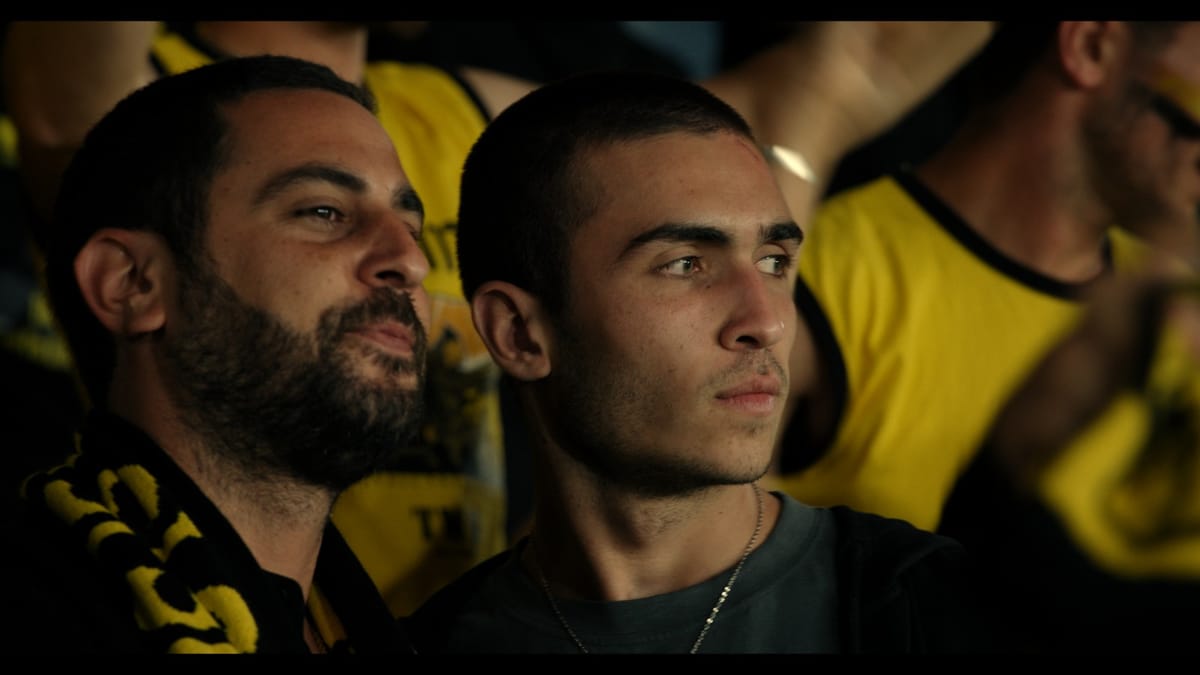
Hooligans

An Israeli drama series that attracted a large domestic audience is now reaching European viewers. "Hooligans," originally broadcast on Kan (Israel's public broadcaster), recently premiered in Germany on the public network ARD and its streaming platform ARD Mediathek, prompting reviews and commentary in German media outlets.

Produced by Artza Productions, the series was created by Lee Gilat, Yizhar Har-Lev, Yuval Bronshtein, and Esther Namdar-Tamam, with Gilat directing. It follows Meni (played by Ben Sulton), a young man forced to become an undercover agent who infiltrates a violent, extremist fan organization of a soccer club. Through his story, the series explores not only the world of hardcore soccer supporters but also questions of identity, belonging, and the intersection of violence, society, and politics.
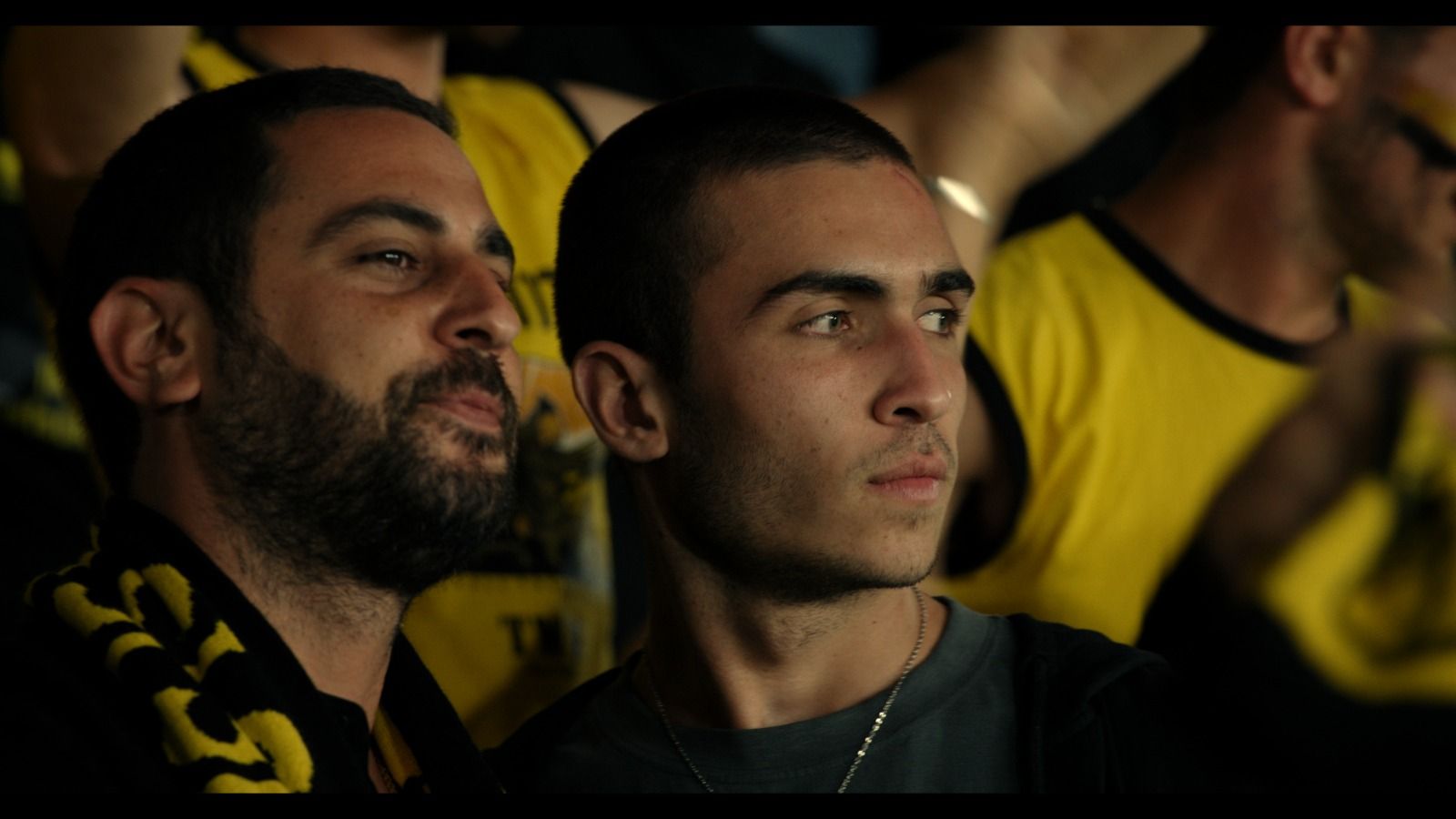

Hooligans
Hooligans (Courtesy of: Kan 11, Artza Productions, United King Films)

Several reviews criticized the decision to dub the series into German. Publications including Jüdische Allgemeine, Stern, Süddeutsche Zeitung, and Der Standard argued that the dubbing somewhat diminishes the authenticity provided by the original Hebrew dialogue and performances. Despite this criticism, these outlets also emphasized interest in the series as a social and political drama offering insight into Israeli reality.

Director Lee Gilat responded to the reception: "It's especially moving to see how 'Hooligans' is being received in Germany. For us, this was never just a series about soccer, or just about the extremist fan world, but a story about the human need for belonging, about a young person searching for family and identity, and about the place where personal rage meets social and political rifts."

"The fact that critics and audiences in Germany are identifying these layers and responding warmly to them," Gilat added, "is a reminder that a story born from a very Israeli reality can touch universal questions that cross borders and languages."

Ready for more?

Join our newsletter to receive updates on new articles and exclusive content.

We respect your privacy and will never share your information.

Enjoyed this article?

Yes (43)
No (2)
Follow Us:

Unmissable content


Loading comments...

Also of Interest