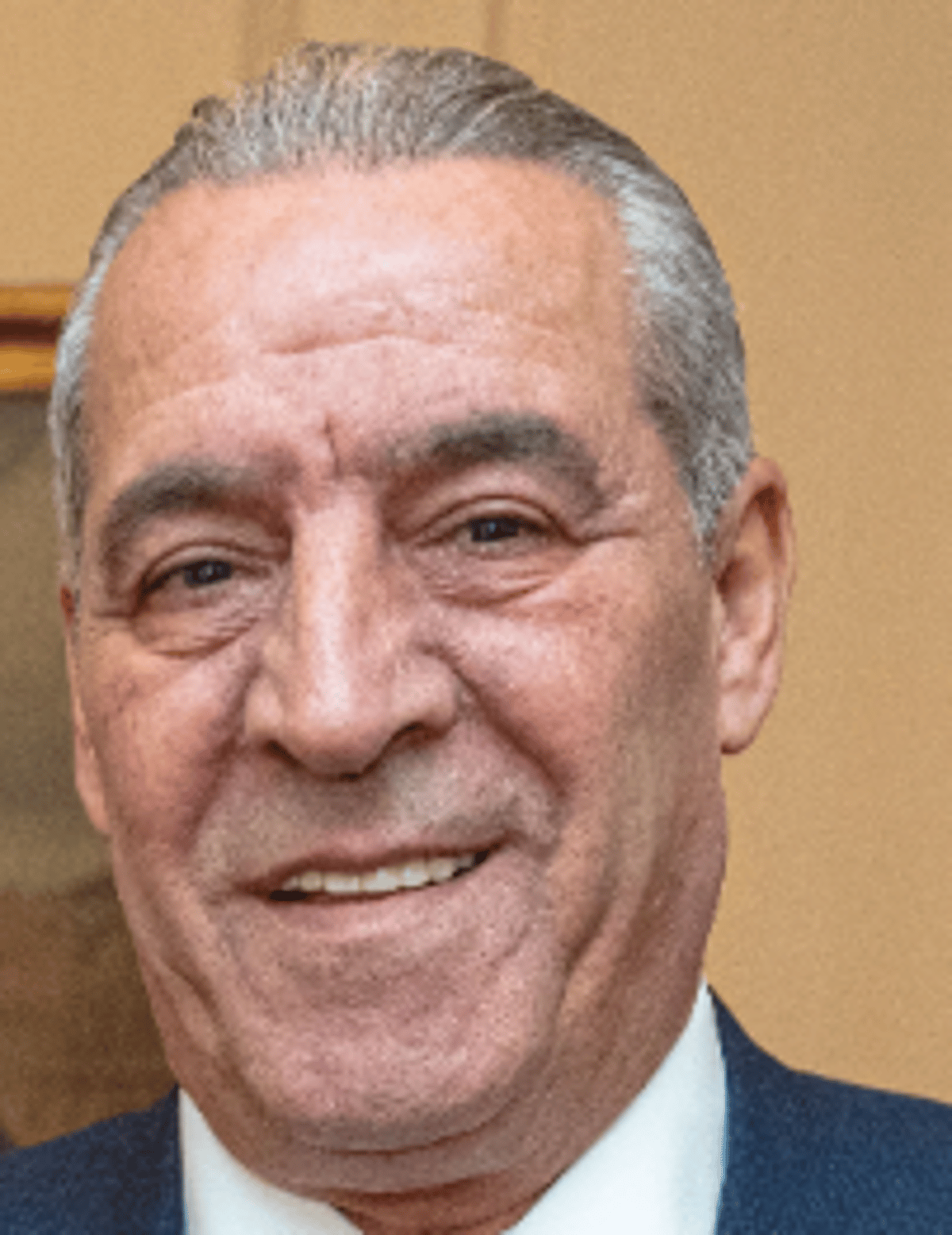
Palestinian Authority President Mahmoud Abbas issued a constitutional declaration today, stipulating that in the event the position of president of the Palestinian National Authority becomes vacant, due to death, incapacity, or otherwise, his deputy, Hussein al-Sheikh, would assume the role on an interim basis until elections can be held.
The decree, published amid heightened speculation about Abbas's health and potential Israeli threats, clarifies that al-Sheikh's interim term would last no more than 60 days, during which free and direct elections for a new Palestinian president must be conducted.
According to the official Palestinian news agency WAFA, this period could be extended once by decision of the Palestinian Central Council if compelling reasons prevent holding the vote.
The move formalizes al-Sheikh's position as the immediate successor in an emergency, addressing long-standing concerns over a potential power vacuum in the Palestine Liberation Organization (PLO) and PA, both led by the 89-year-old Abbas since Yasser Arafat's death in 2004.
Al-Sheikh, 65, was appointed vice president of the PLO in April 2025 during a session of its Executive Committee, a role created to facilitate smoother leadership transitions amid international pressure for reforms, particularly in light of potential postwar governance roles for the PA in Gaza.
Born in 1960 in Ramallah to a family displaced during the 1948 Nakba, al-Sheikh is a veteran Fatah leader who spent 11 years in Israeli prisons from 1978 to 1989 for anti-occupation activities.
He has held key posts, including secretary-general of the PLO Executive Committee since 2022, head of the General Authority of Civil Affairs until February 2025, and Abbas's primary liaison with Israel, managing Palestinian travel permits and administrative coordination.
In recent weeks, he has engaged in diplomatic talks, including a meeting with former British Prime Minister Tony Blair on October 12 to discuss U.S. President Trump's Gaza reconstruction plans, emphasizing ceasefire enforcement, aid delivery, and the release of withheld PA tax revenues from Israel.
The declaration does not guarantee al-Sheikh's permanent succession, as PLO bylaws require elections or committee approval for a full handover, but it positions him as the frontrunner among Fatah's old guard.
Earlier contingencies, such as Abbas's November 2024 naming of Rawhi Fattouh as a temporary replacement, were overshadowed by the April reforms elevating al-Sheikh.
Analysts suggest the step aims to reassure Western allies about leadership stability, potentially aiding PA involvement in Gaza amid stalled Fatah-Hamas reconciliation.However, al-Sheikh remains deeply divisive.
Hamas officials have branded him a "collaborator" due to his security coordination with Israel, while public polls reflect low support: A May 2025 survey showed Abbas's approval at 19%, with 79% disapproving, and al-Sheikh's name rarely surfacing as a preferred leader in earlier 2024 polls, where figures like Marwan Barghouti polled higher.
Critics within Fatah, including Jibril Rajoub and Mahmoud al-Aloul, view him as emblematic of the party's "closed and corrupt" image, though his ties to Gulf states and Israeli officials bolster his influence.The timing, following Israeli assassination attempts on other Palestinian figures and amid Abbas's calls for Hamas disarmament, has fueled speculation of fears over targeted strikes.
As the PLO, the internationally recognized Palestinian representative excluding Hamas, navigates postwar dynamics, the decree underscores efforts to avert chaos in a fractured leadership landscape.