
Jewish presence
History: Ancient Mikveh Found Underneath Kotel Plaza
An ancient Jewish ritual bath, or mikveh, dating to the final days of the Second Temple roughly 2,000 years ago has been uncovered beneath the Western Wall Plaza, just meters from the Temple Mount. The discovery offers a rare, intimate glimpse into Jewish life in Jerusalem on the eve of its destruction.

An ancient Jewish ritual bath, or mikveh, dating to the final days of the Second Temple roughly 2,000 years ago has been uncovered beneath the Western Wall Plaza, just meters from the Temple Mount. The discovery was announced by the Israel Antiquities Authority together with the Western Wall Heritage Foundation, and offers a rare, intimate glimpse into Jewish life in Jerusalem on the eve of its destruction.
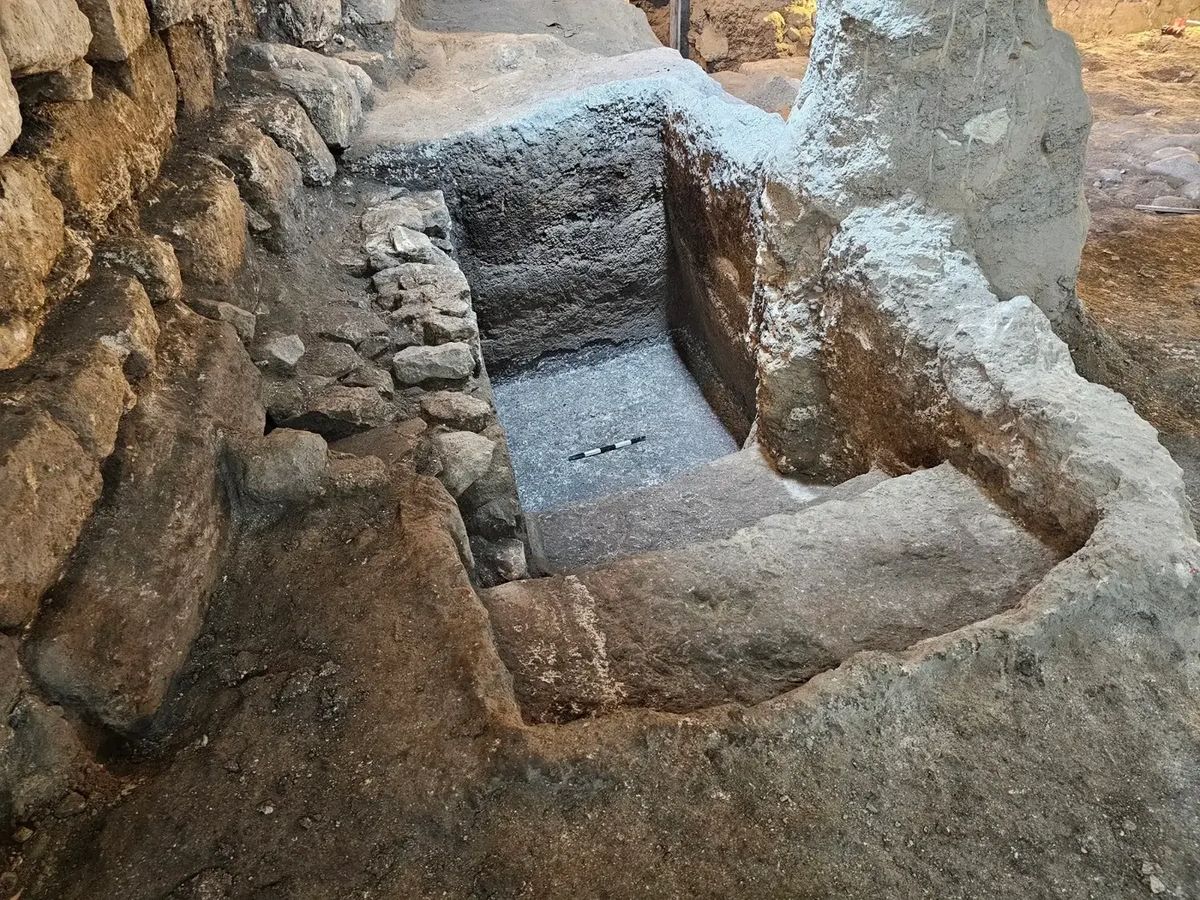
The mikveh was found sealed beneath a thick layer of ash and debris, physical evidence of the Roman destruction of Jerusalem in 70 CE. Archaeologists say the ash layer directly links the structure to the city’s final, catastrophic moments before the Second Temple was burned and razed.
Carved into bedrock, the rectangular mikveh measures 3.05 meters in length, 1.35 meters in width, and 1.85 meters in height. Its walls were coated in plaster, and four rock-hewn steps descend into the immersion pool from the southern side. The craftsmanship and layout are typical of ritual baths used during the late Second Temple period.
According to excavation director Ari Levy of the Israel Antiquities Authority, the find reinforces Jerusalem’s identity as a Temple-centered city. Ritual purity was not an abstract concept or a marginal religious practice. It shaped daily life, urban planning, and personal behavior. Jews ascending to the Temple were required to immerse beforehand, and the concentration of mikvaot around the Temple Mount reflects the constant flow of pilgrims and residents preparing themselves spiritually.
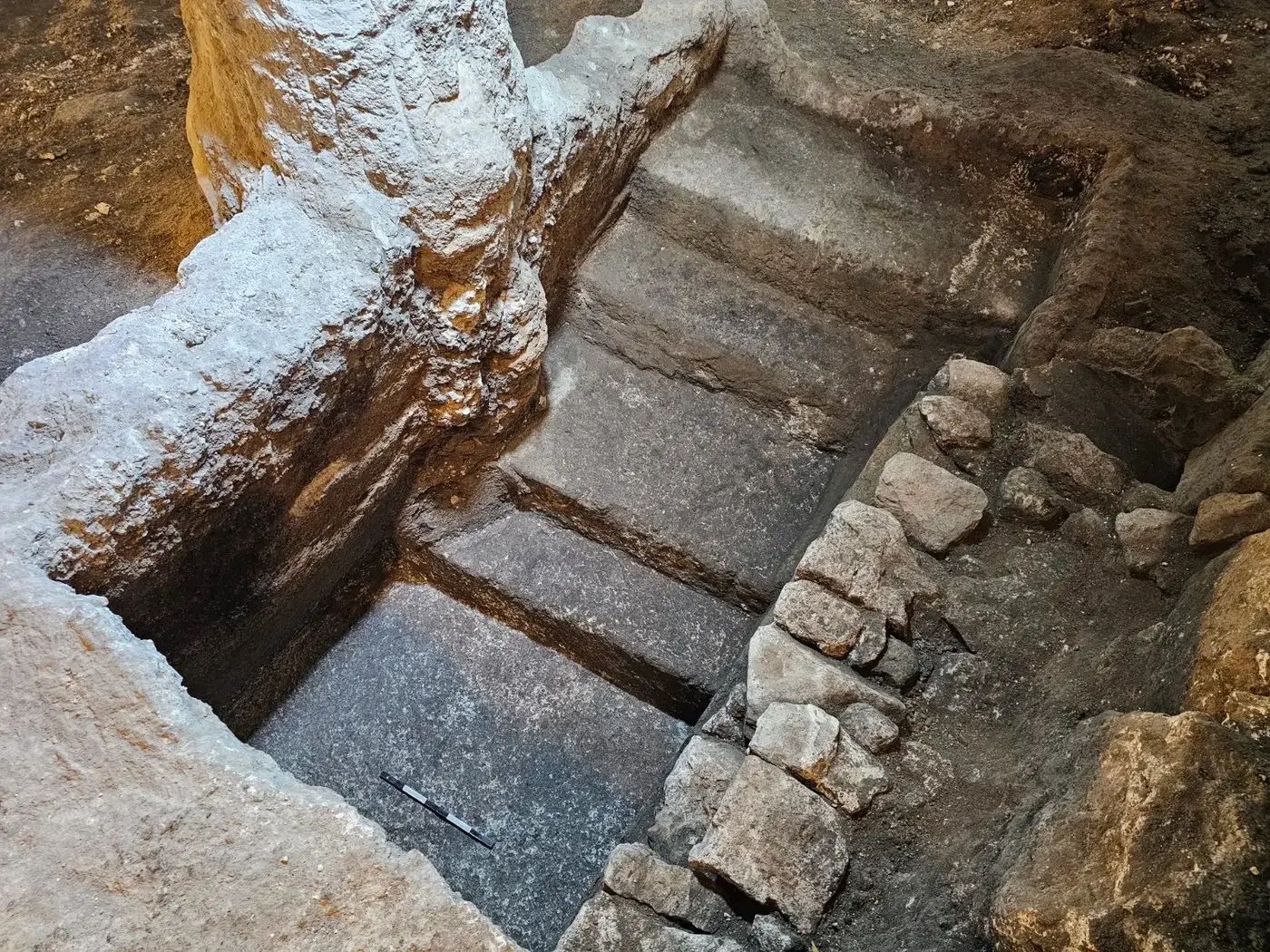
Several ceramic vessels and stone utensils characteristic of the late Second Temple era were discovered around the mikveh. Stone vessels, common in Jewish homes of the period, were used specifically because they were considered impervious to ritual impurity under Jewish law. Their presence here further confirms the mikveh’s function and the population that used it.
The location of the discovery is significant. The excavation site lies near two of the main access routes to the Temple complex in antiquity, Robinson’s Arch to the south and the great bridge to the north. Archaeologists believe the mikveh served both local residents and the thousands of pilgrims who ascended to the Temple during festivals.
The announcement comes on the eve of the Fast of the Tenth of Tevet, which commemorates the beginning of the Babylonian siege of Jerusalem that led to the destruction of the First Temple centuries earlier. The timing underscores the historical continuity of siege, destruction, and memory in Jerusalem’s layered past.
For researchers and the public alike, the mikveh is more than an architectural find. It is a frozen moment of Jewish life abruptly interrupted. Beneath the Western Wall, the last remnant of the Temple complex, lies evidence of the spiritual preparation that once defined the city. Ash, stone, water, and steps cut into rock together tell the story of a people who lived their faith daily, right up until the moment everything burned.