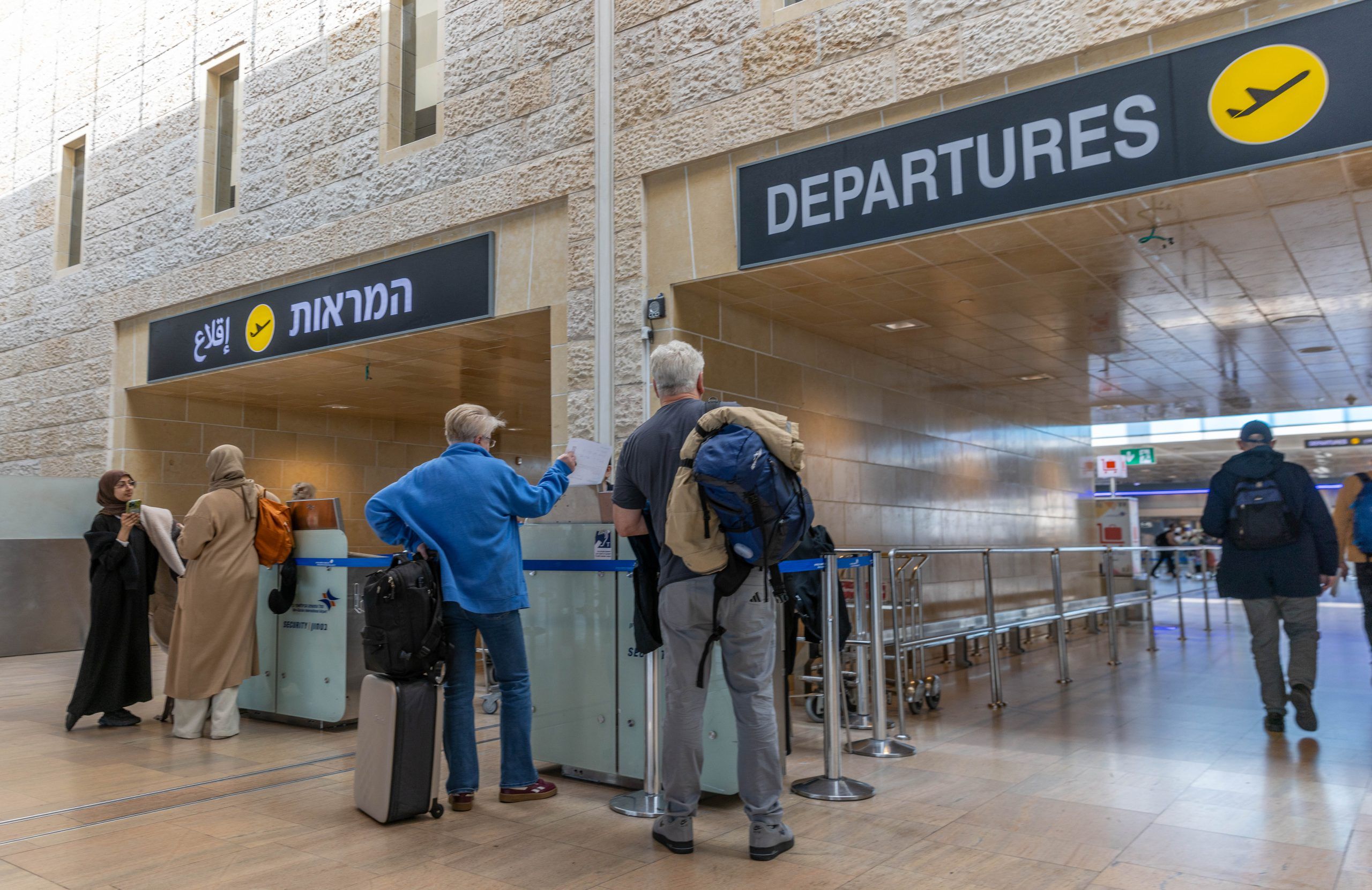
The unprecedented chaos began early afternoon at Ben Gurion Airport during one of the year's busiest travel days, when passenger processing systems came to a near-complete halt amid threats of terminal closure.
Over 100,000 passengers and more than 600 scheduled flights were affected by severe delays after check-in counters received instructions to stop processing and screening services.
The shutdown of service desks and suspension of baggage intake created massive congestion in passenger halls, extended lines at security checkpoints, and hours-long delays in luggage distribution at arrivals. The airport's operational systems reached full capacity, and aircraft that landed remained on the tarmac unable to transfer baggage to the national sorting system.
The situation on the ground deteriorated when Ben Gurion's operations management was forced to officially declare a "crisis event" due to accumulating operational difficulties.
The airport's sorting channel reached maximum capacity and could not accept additional luggage, leading to immediate instructions to halt all check-in procedures for upcoming flights.
Ground crews and counter staff were helpless in the face of frustrated and angry passengers, while the lack of available aircraft parking positions created a chain of delays affecting incoming flights as well. Some landed aircraft had their unloading stopped, with baggage stuck on the tarmac without logistical solutions.
The Isreali Airports Authority pointed an accusing finger directly at the workers committee, claiming the disruptions were deliberate actions harming operational continuity and the public. Authority management demanded an immediate return to regular work and made clear that if the actions did not cease, an urgent petition would be filed with the labor court seeking injunctions. The Transportation Workers Union within the Histadrut labor federation strongly rejected attempts to characterize the incident as a "wildcat strike" or organized action. The "Histadrut" for workers rights claimed this was a foreseeable collapse resulting from severe and ongoing staff shortages, inadequate preparation for summer traffic loads, and extreme worker burnout, with employees required to work hundreds of overtime hours monthly to cover management failures.
Criticism of the staffing crisis is not new, with sources on the ground warning for months about a shortage of approximately 400 workers in sorting and transport operations.
The complex background includes a problematic employment model at the Airports Authority, where temporary workers are fired each winter to prevent them from achieving permanent status, leading to high turnover and workers unwillingness to return to the system during summer season.
Workers committee chairman Pinchas Idan had already approached senior officials in June warning of the dismissal of approximately 250 temporary workers, cautioning that the Ben-Gurion Airport working system would struggle to handle August's aerial traffic loads.