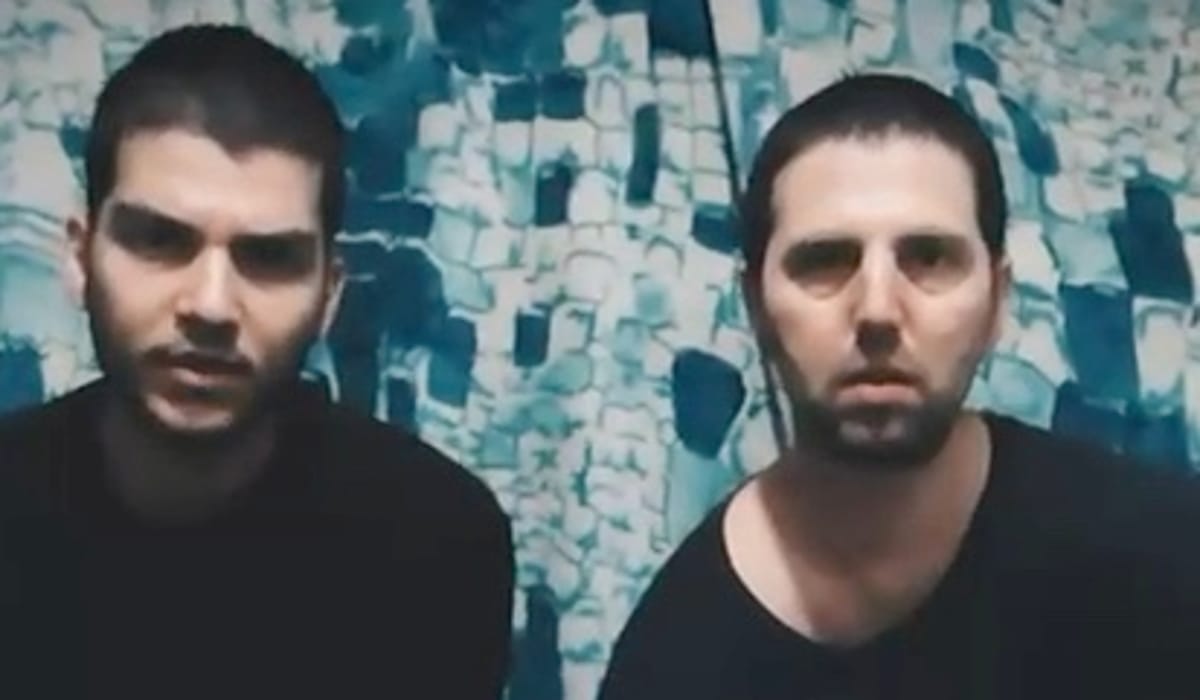
Elkana Bohbot spent six months meticulously planning his stage at the Nova music festival, a labor of love intended to bring joy to his friends and family. However, the sunrise on October 7 changed everything, turning a celebration of life into a scene of unimaginable slaughter. In a heart-wrenching interview following his release from more than two years in captivity, Bohbot recounted the moment he realized the party was over. After seeing rockets in the sky, he immediately shut down the music and began coordinating an evacuation route, successfully helping many vehicles escape the chaos. Despite his heroic efforts to save others, he is haunted by the loss of his friends. "I wanted to do good, and it turned out that half of the friends who are my family are no longer here," he shared, describing the crushing weight of survivor's guilt.
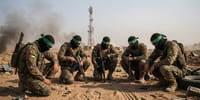
The nightmare intensified when Bohbot was captured by the terrorists of Hamas. He described being taken to a backyard in Gaza where a terrorist threatened to peel a tattoo off his back with a knife. He was then forced down a ladder into a dark, narrow tunnel, moving like a frog while being poked with a blade. In a bizarre and sadistic display, the captor forced him at knifepoint to eat a wafer. This was only the beginning of 800 days of abuse. Around the 40th day, after an airstrike killed a relative of his captor, Bohbot was blindfolded and told he would be executed. Instead, he was taken to a deep tunnel where he met a masked guard who introduced himself as "the Joker," a man who would torment him for months.
The psychological warfare was relentless. The terrorists lied to Bohbot about his family, cursed his wife, and even prayed for the death of his young son, Re'em David. To create propaganda, they filmed staged videos of Bohbot, even forcing him to act out suicide attempts with ropes and fake blood. When they felt he wasn't crying enough for their cameras, they rubbed onions into his eyes to force tears. Amidst this darkness, Bohbot found a sliver of hope when his captors showed him a televised image of an activist named Menashe holding his photo, and later, a printed photo of his son that Menashe had carried to the Gaza border. To cope, Bohbot sewed a doll named "Marlin" out of scraps, which became a mascot for him and fellow hostages like Bar Kupershtein and Ohad Ben Ami.
Even after his release in 2025, the war continues for Bohbot in his mind. He returned to find that his mother, Ruhama, had battled cancer in secret while he was underground, fearing that if the news reached him, it would break his spirit. Today, Bohbot struggles with the reality that many survivors are still suffering in rehabilitation centers and psychiatric hospitals. He emphasized that the trauma does not end with a return home, stating painfully, "You have to continue with this sick nightmare for the rest of your life." His story serves as a stark reminder of the long-term mental scars carried by those who survived the horrors of the tunnels.