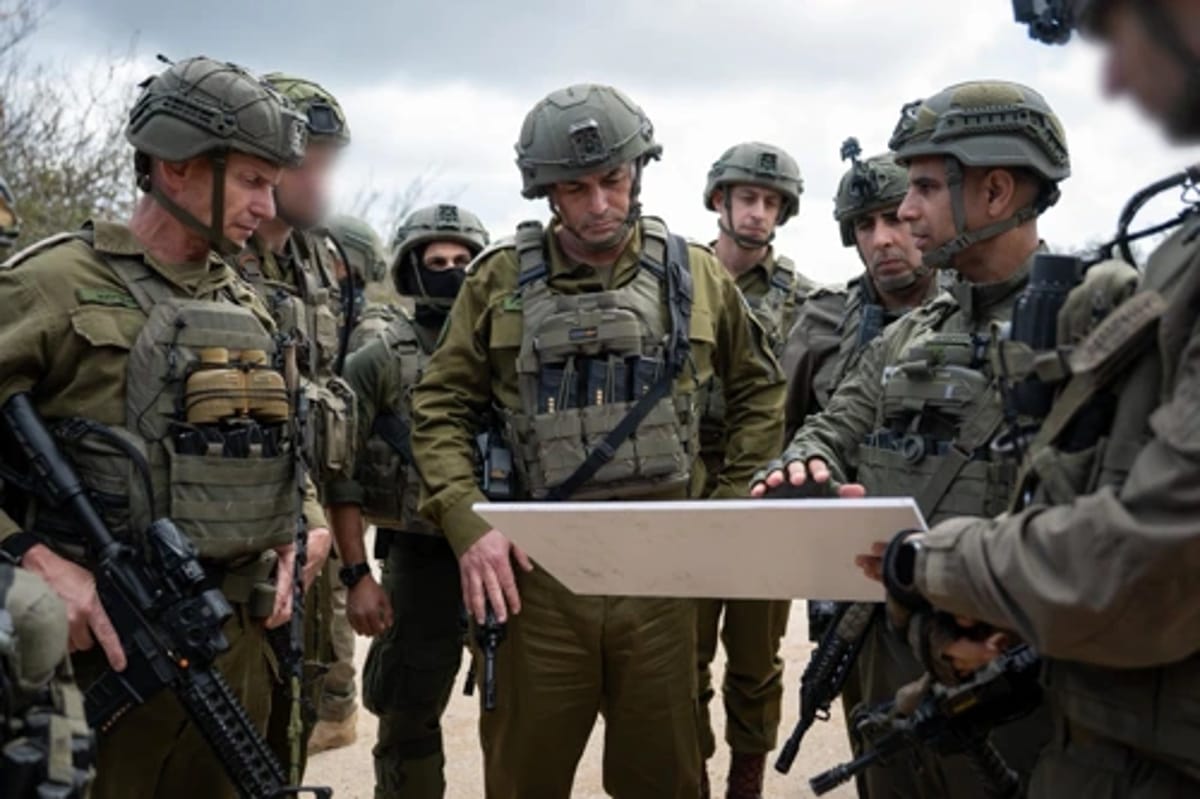
The Israeli security establishment is facing a severe internal crisis as top military leaders warn that the Israel Defense Forces are reaching a dangerous breaking point. During a high-stakes meeting of the Political-Security Cabinet, Chief of Staff Lt. Gen. Eyal Zamir delivered a blunt assessment of the military’s manpower situation, revealing that the army is struggling to meet the demands of a multi-front war. Zamir reportedly told ministers that the current load on soldiers is unsustainable, raising "ten red flags" to signal that the military structure could soon crumble under the pressure of expanded missions in Lebanon, Gaza, and across the region.
The Manpower Deficit
Following the Chief of Staff’s internal warning, IDF Spokesperson Brig. Gen. Effie Defrin addressed the media to provide specific figures on the shortage. He revealed that the IDF is currently missing 15,000 soldiers, including approximately 7,000 to 8,000 frontline combat troops. "The missions have expanded," Defrin explained, emphasizing that the military urgently requires the legislation of a new recruitment law and the extension of mandatory service terms to bridge the gap. The shortage is exacerbated by the need to maintain a high level of security for communities in Judea and Samaria while simultaneously conducting massive ground maneuvers in southern Lebanon.
The Chief of Staff’s comments have ignited a fierce political battle. Boaz Bismut, the Chairman of the Foreign Affairs and Defense Committee, reportedly briefed against Zamir, calling his warnings "irresponsible." In contrast, Opposition Leader Yair Lapid slammed the government’s handling of the crisis, stating that in the event of a future disaster, the ministers would not be able to claim they were unaware of the risks. With 15,000 spots left unfilled and the war showing no signs of slowing down, the military leadership is making it clear that without a significant change in recruitment policy, the elite fighting force that has held the line for decades may face an unprecedented internal collapse.