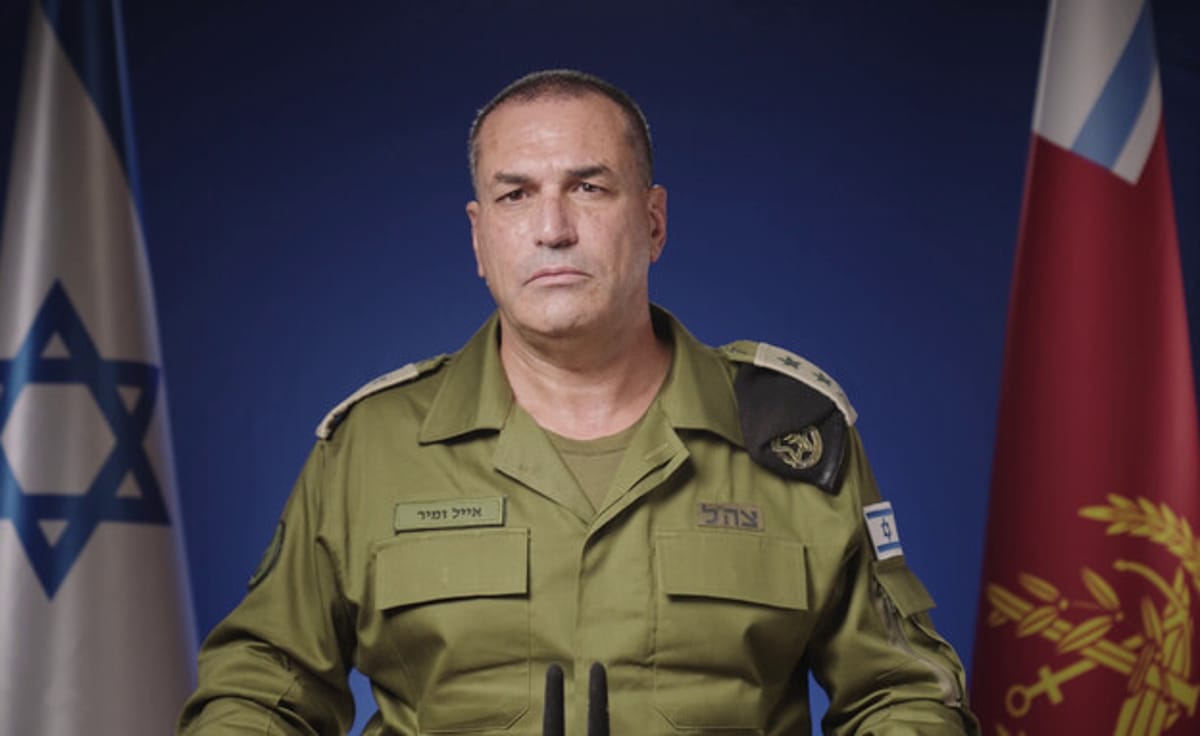
Senior IDF ground forces officers sharply criticized Chief of Staff Eyal Zamir during a closed forum this week, accusing him of being disconnected from realities in the field and of making remarks that undermine reservist motivation and blur the line between military leadership and politics.
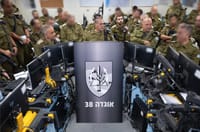
The criticism was voiced during a Ground Forces study day convened by Maj.-Gen. Nadav Lotan and attended by active-duty and reserve officers holding the rank of lieutenant colonel and above. Zamir himself was present throughout the discussion, which focused on lessons from the October 7 Hamas attack, findings from the ongoing war, training and instruction, underground warfare, and operational safety.
According to officers who attended, Zamir reiterated previous public statements asserting that the IDF had completed its investigations into October 7 and drawn the necessary conclusions. He also repeated a message aimed at Israel’s political leadership, saying that “everyone needs to investigate themselves.” Several officers said this remark was perceived as overtly political and inappropriate in the forum’s professional military context.
Additional criticism centered on Zamir’s emphasis on multi-year planning and future force-building while, officers said, units in the field continue to struggle with shortages of personal military equipment and with gaps in the quantity and quality of weapons systems. For many commanders, the disconnect between strategic planning discussions and day-to-day operational difficulties was a source of frustration.
Reservist officers also pushed back against comments made by senior officials responsible for combat fitness, arguing that renewed focus on fitness tests misses the core challenges facing the reserves. These include deep burnout, prolonged strain on soldiers who have served hundreds of days since the war began, and growing difficulty in recruiting reservists for additional duty.
One reservist battalion commander directly challenged the General Staff’s recent decision to change reserve service cycles. Under the previous system, combat reservists typically served one week on duty followed by one week of leave. The new policy mandates 10 consecutive days of service followed by four days of leave. Officers said the change has harmed motivation, reduced flexibility, and made it harder to fill battalion ranks.
While Zamir said the issue would be reviewed, he emphasized that the IDF is constrained by a fixed quota of reserve duty days. Officers leaving the forum described the exchange as unusually blunt, reflecting mounting tension between senior command and those bearing the operational and personal burden of the war.