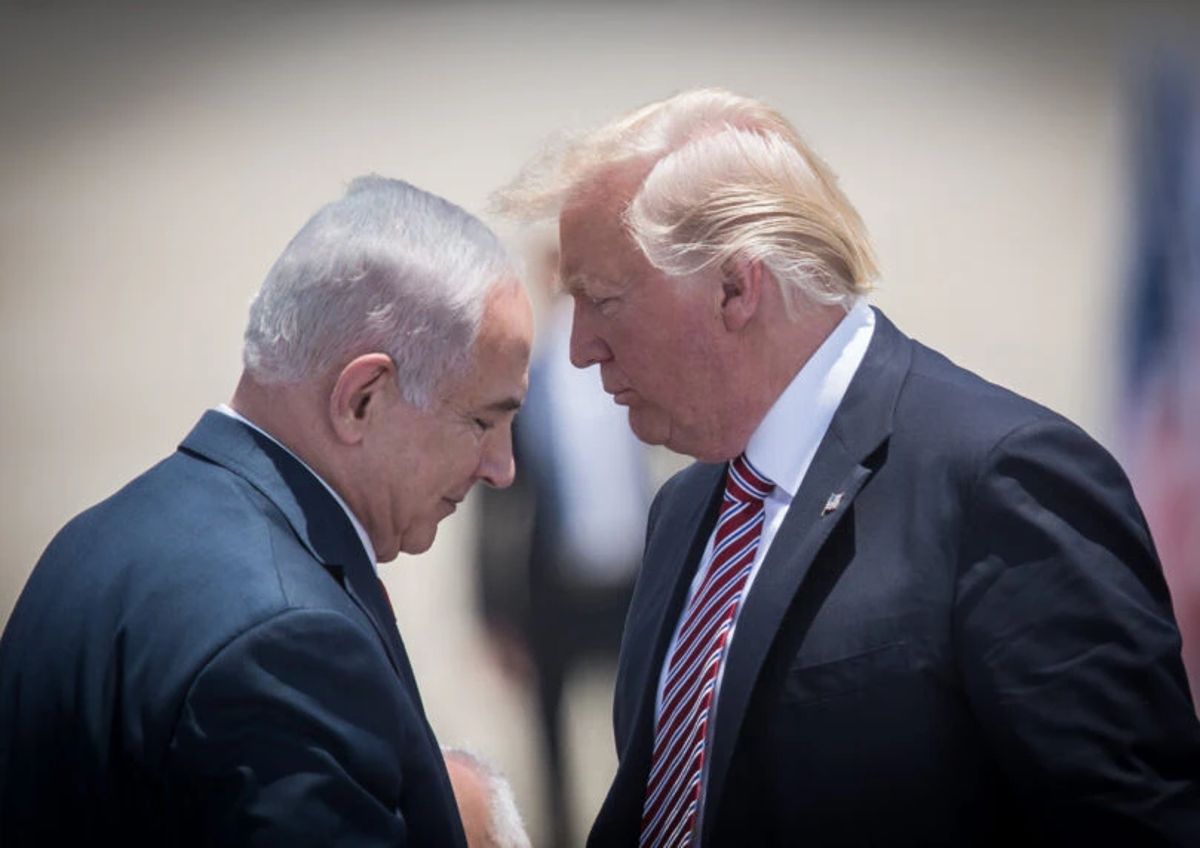
The sudden announcement from the Trump administration regarding direct negotiations with the Iranian regime has triggered a wave of confusion and tension within the top ranks of the Israel Defense Forces (IDF). Despite thousands of pre-approved military targets still waiting to be struck, the Israeli Air Force has reportedly slowed its pace of operations to accommodate the "reorganization" requested by the American government. Senior military officials expressed surprise at the timing of the White House's move, especially as the Iranian regime continues to fire missiles at Israel and Gulf nations while maintaining a total maritime blockade in the Strait of Hormuz.
Strategic Uncertainty in the IDF
The primary concern among Israeli generals is that a premature diplomatic deal will prevent the total collapse of the extremist regime, which many in the security establishment believe is the only way to ensure long-term peace. According to senior officers, the IDF still holds a "target bank" of thousands of sites, including those at the very heart of the regime's nuclear project, its ballistic missile production, and its domestic suppression mechanisms. There is a deep-seated fear that the United States might settle for an agreement that stops the current fighting but fails to address Iran’s long-term ability to fund terror and develop advanced weaponry. "We are in a stage of 'reorganizing' to understand what the American administration wants to achieve," one official noted, highlighting the friction between the two allies.
This internal tension is further complicated by the situation in Lebanon. Military planners worry that if a deal with Iran is reached, it might include terms that protect Hezbollah, leaving the terrorist group in a position to re-arm and threaten Israel in the future. The IDF’s assessment has always been that the fall of the regime in Tehran would be the "fatal blow" to Hezbollah, which receives over a billion dollars a year from the Islamic Republic. Without that total collapse, any ceasefire is viewed as a temporary pause that allows the enemy to recover. While Chief of Staff Eyal Zamir continues to present daily achievement reports to Defense Minister Israel Katz, the uncertainty from Washington has cast a shadow over the "Roaring Lion" campaign’s final objectives.