During a marathon four-hour security cabinet meeting, Prime Minister Benjamin Netanyahu expressed significant skepticism regarding the longevity of the current ceasefire with Iran. The Prime Minister told ministers that the demands of the United States and the Iranian regime are currently "not converging," and that the nation must wait and see if the two-week window produces any real change. Netanyahu revealed that the American administration has made a firm commitment to ensure the removal of enriched uranium from Iran, whether through diplomatic negotiations or a total resumption of the war. This "wait and see" approach suggests that Israel is treating the current pause as a tactical breather rather than a permanent end to the war.
Readiness for Escalation
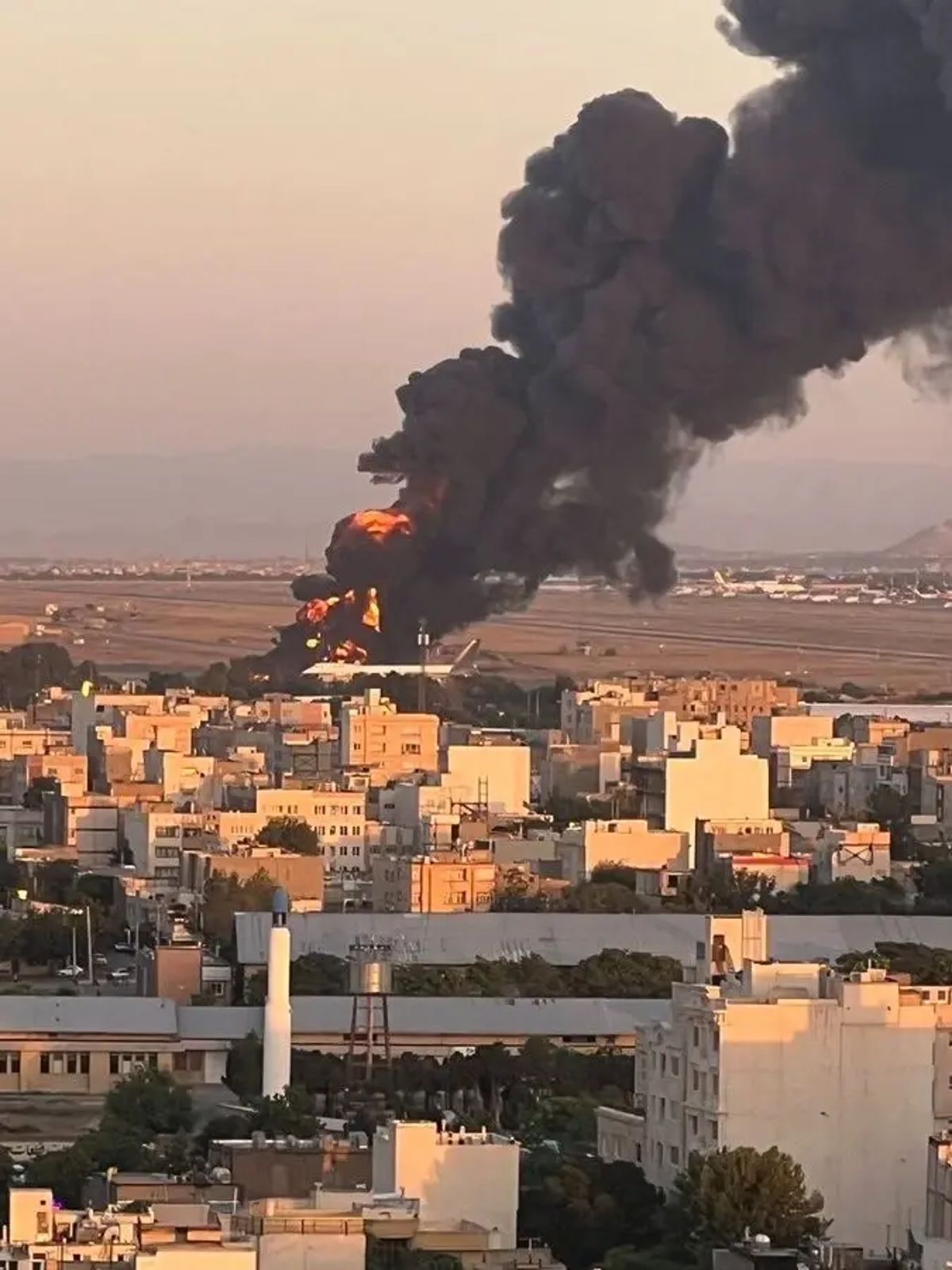
General Michael "Erik" Kurilla, commander of U.S. Central Command, echoed this sense of vigilance in a recent statement. While confirming that U.S. forces have paused offensive operations after successfully conducting more than 13,000 strikes on Iranian military targets, he emphasized that American troops remain "vigilant and ready if called upon." This posture is supported by assessments from Middle Eastern officials who told the Wall Street Journal that they believe there is a very high chance the war will resume. The primary point of contention remains the scope of the ceasefire, with Netanyahu having successfully pressured Trump to ensure that the agreement does not include Lebanon or Hezbollah, thereby maintaining Israel’s freedom of action in the north.
The internal cabinet discussions suggest that the Israeli security establishment believes the Iranian regime is unlikely to meet the stringent U.S. conditions within the allotted 14-day timeframe. The cabinet was briefed on the extensive damage already inflicted on Iranian capabilities, but ministers were warned that the regime may use the pause to regroup rather than surrender its nuclear assets. If the uranium is not removed by the end of the two weeks, the Prime Minister indicated that the U.S. is prepared to restart the campaign. As both sides remain "hands on the trigger," the regional consensus is shifting toward the belief that the current quiet is merely the eye of the storm.