The fragile ceasefire between Iran and the West has stripped away the facade of a unified Iranian regime, revealing a government in total disarray. Internal power struggles and contradictory official statements indicate a near-complete collapse of central authority following the reported death of Supreme Leader Ali Khamenei.
Chaos in the corridors of power
The confusion reached a fever pitch today when state-run media outlets began publicly contradicting one another. The pro-government news agency ISNA announced that Parliament Speaker Mohammad Baqer Qalibaf would lead an upcoming diplomatic delegation to Pakistan. However, within thirty minutes, the Revolutionary Guard-affiliated Tasnim News Agency issued a sharp denial, claiming the delegation's lineup had not been approved.
Analysts suggest this media warfare highlights a desperate scramble among Iran's elite to claim credit for the ceasefire while shifting blame for the military's recent setbacks.
A leadership divided into three camps
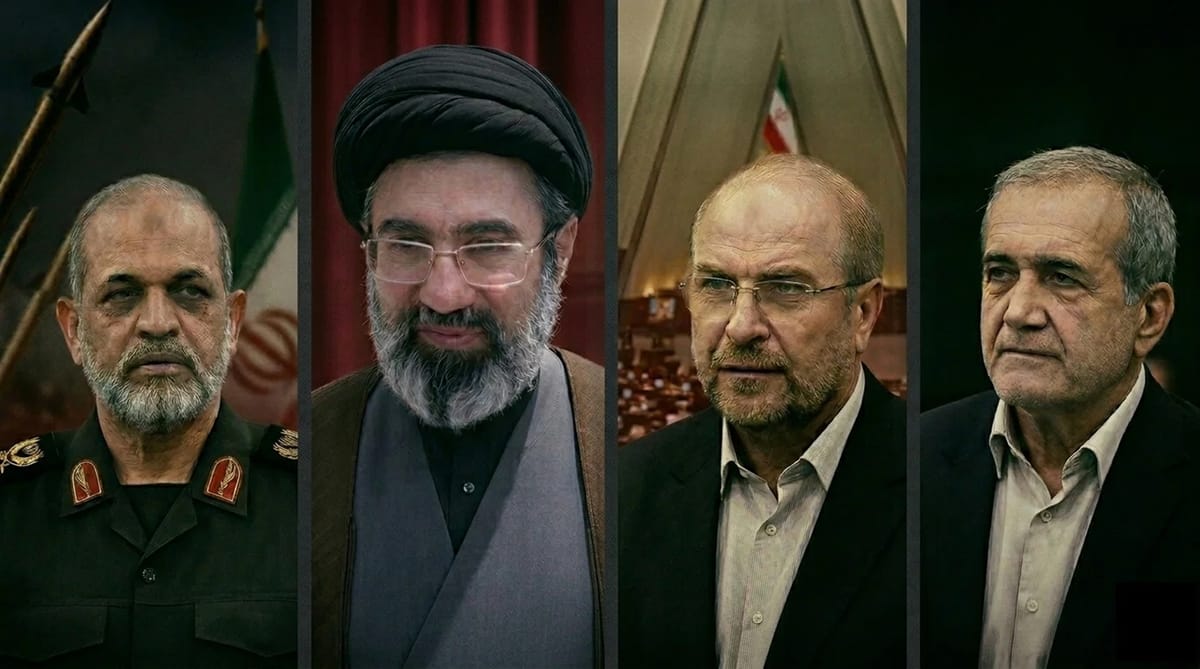
Reports from Walla and Iran International suggest the Iranian leadership has fractured into three distinct factions vying for control:
- The Pragmatic Heirs: Led by Mojtaba Khamenei, the son of the former Supreme Leader. While attempting to project authority, Mojtaba reportedly lacks a broad consensus. He is said to favor negotiations with the United States to minimize further damage to the regime.
- The Military Hardliners: Led by Revolutionary Guard Commander Ahmad Vahidi. This faction remains defiant, refusing to concede any ideological ground despite weeks of devastating airstrikes.
- The Sidelined President: Masoud Pezeshkian, though the sitting president, has reportedly been pushed to the margins, issuing largely symbolic statements while held back by a lack of real influence.
The mediator
Acting as the bridge between these warring factions is Mohammad Baqer Qalibaf. The Parliament Speaker is currently utilizing his political instincts to navigate the gap between the hardliners and those seeking a diplomatic exit, positioning himself as the primary link to the outside world.
Despite the regime's official rhetoric of a "strategic victory," the continued interception of drones and missiles following the ceasefire announcement shows that the reality on the ground is precarious.