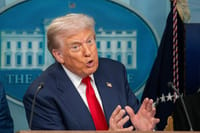
In a bold move to rescue its failing economy, the Iranian government has announced plans to collect significant transit fees from all commercial vessels passing through the Strait of Hormuz. Senior officials in the Iranian oil industry stated that they intend to charge one dollar for every barrel of oil transported through the waterway, which could amount to approximately $2 million per tanker. This new "Hormuz Tax" could generate anywhere from $7 billion to $60 billion annually for the regime, providing a massive financial lifeline for reconstruction efforts. President Trump has expressed a surprising openness to the idea, suggesting a "joint venture" between the U.S. and Iran to secure the strait and manage the collection of these fees.
Cryptocurrency and Sea Routes
To ensure the payments cannot be traced or confiscated by international authorities, Iran is demanding that all fees be paid in digital currencies such as Bitcoin. According to Hamid Hosseini, a high ranking official in the Iranian oil sector, tankers must email their cargo details to the authorities and are then given only a few seconds to complete the crypto transaction. This system is designed to bypass the global banking network and current sanctions. Meanwhile, the Strait remains effectively blocked to those who do not comply, with more than 900 commercial vessels currently stranded in the Persian Gulf, creating a logistical nightmare for global trade and raising concerns about the safety of the crews.
The regime has also published a map of "safe routes" for ships that have received authorization and paid the required tolls. These paths pass near Larak Island and the Iranian coast, steering clear of "danger zones" that were allegedly mined by the Revolutionary Guard during the heat of the war. Iran is using the maritime blockade as a primary lever of pressure, making it clear that the Strait will only fully reopen once its demands regarding the war in Lebanon are met. As oil prices fluctuate in response to these new costs, the global economy faces the reality of an Iranian "protection" scheme that fundamentally changes the rules of international navigation in the Middle East.