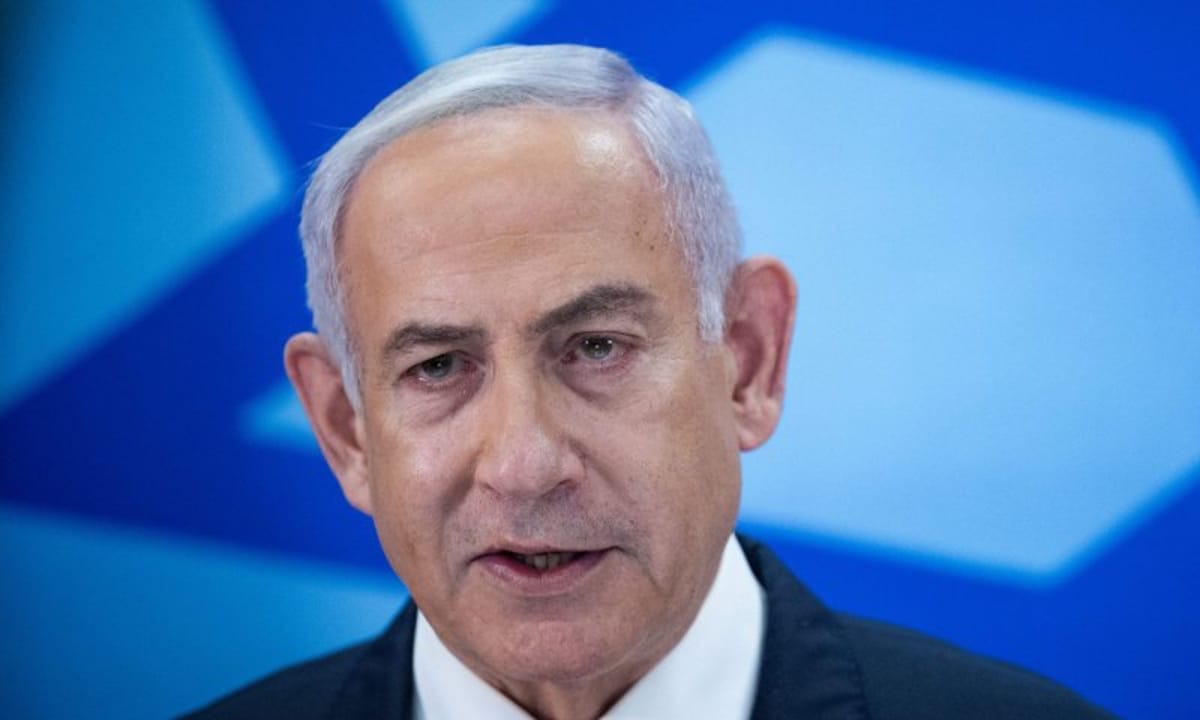
Prime Minister Benjamin Netanyahu has delivered an urgent message to his Haredi coalition partners, warning that an early election in September would be an electoral disaster for the right-wing bloc. In closed-door meetings, Netanyahu emphasized that the government has not yet achieved its necessary goals regarding Iran, making the timing for a political campaign dangerous. The Prime Minister is reportedly desperate to avoid a vote that would force him to manage a national campaign while simultaneously overseeing a multi-front war.
The coalition is currently fractured over the specific date of the vote. While the legal date for elections is October 27, the Shas and United Torah Judaism parties are demanding the date be moved up to September 1. The Haredi factions believe that the Hebrew month of Elul, characterized by a spirit of repentance and religious fervor, provides the perfect cultural backdrop to mobilize their base and maximize their seat count. For them, the "spirit of Selichot" is a political asset they are unwilling to surrender.
Netanyahu, however, views the situation through a security lens. He told his partners that he would not be available to manage a campaign if it began in the next two weeks, as the situation with Iran requires his absolute focus. "We have not yet reached the required achievement in Iran," Netanyahu clarified, suggesting that he needs more time to produce a "victory image" that could stabilize his polling numbers and convince the public of the government's success.
Beyond the security argument, there are significant legal and political fears driving the Prime Minister's resistance. Once an election is officially declared, strict legal limitations are placed on the government’s actions and the Prime Minister’s ability to use state resources. Furthermore, internal polling suggests the current right-wing bloc would struggle to reach a 61-seat majority if the elections were held today, meaning Netanyahu needs more time to shift the public narrative in his favor.
The political drama is expected to reach a boiling point on Wednesday, when the Knesset is scheduled to vote on a preliminary motion to dissolve itself. While previous attempts to topple the government have been thwarted by sudden security events, the pressure from the religious parties has never been higher. They view the current government's failure to resolve the draft issue and other sectarian concerns as a reason to seek a new mandate from the voters.
The outcome of this struggle will likely depend on the developments in the war with Iran. If a major breakthrough or a diplomatic agreement is reached in the coming days, Netanyahu may find the leverage he needs to pacify his partners or, conversely, may feel confident enough to agree to their September timeline. For now, the coalition is in a state of suspended animation, with the Prime Minister warning that a premature exit will hand the keys of the country to his political rivals.