Israel’s High Court of Justice faced sharp backlash from religious and political figures after issuing a ruling during Shabbat allowing limited anti-war protests.
The decision, which permitted demonstrations of up to 600 participants at Tel Aviv’s Habima Square and smaller gatherings elsewhere, drew particular criticism for the timing of the ruling and its perceived conflict with religious norms.
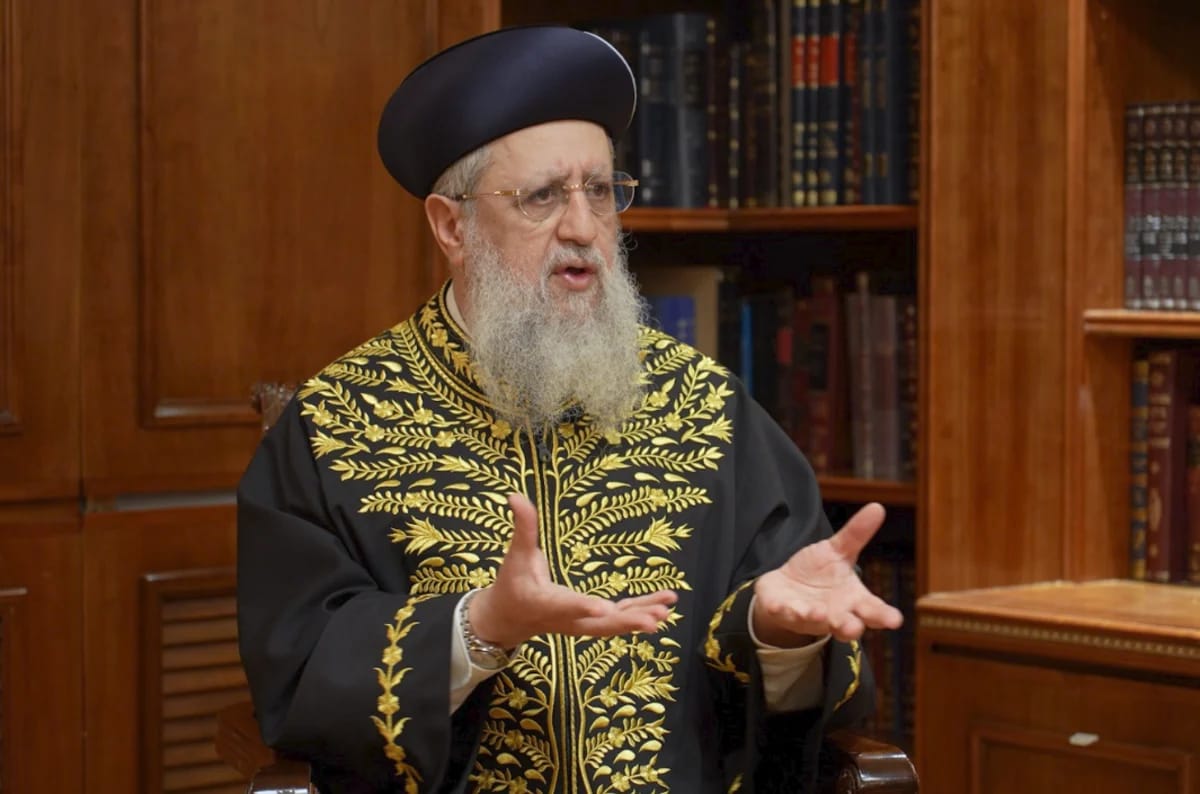
Senior rabbinical figures and ultra-Orthodox politicians condemned the court for deliberating and issuing a decision on Shabbat. Critics argued that the move violated the sanctity of the day and reflected a broader disconnect between the judiciary and religious communities.
Some religious leaders used especially strong language in their criticism, accusing the court of undermining Jewish tradition and acting without sensitivity to religious observance.
Ultra-Orthodox parties, including Shas, also denounced the ruling, calling it a breach of the status quo. They argued that while religious sites remain subject to strict limitations under Home Front Command guidelines, the court had enabled large public gatherings for protest.
Political figures echoed the criticism, questioning both the substance of the decision and the requirement for state authorities to respond to the court during Shabbat.
The judiciary defended its actions, stating that the ruling was made through phone consultations between judges without involving additional staff, and that the urgency of the issue, tied to public safety considerations, necessitated a decision despite the timing.