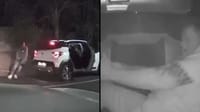
A Jewish security nonprofit in New York has launched a new mobile patrol initiative aimed at strengthening protection for synagogues and Jewish institutions, as concerns over antisemitism and targeted threats continue to rise across the United States.
The program, operated by the Community Security Service (CSS), introduces Mobile Protection Units that patrol neighborhoods with significant Jewish populations, particularly in Manhattan and the Bronx. The initiative marks a shift from the group’s previous model, which focused primarily on stationary guards at synagogues and community events.
According to CSS leadership, the patrols are designed to “detect, report, deploy and reassure.” Vehicles circulate through designated areas, scanning for suspicious activity, identifying potential threats, and coordinating with law enforcement when necessary. The patrols also serve a visible deterrent role, while offering reassurance to community members.
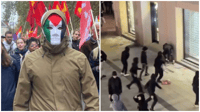
The effort comes amid a broader rise in antisemitic incidents in New York and across the US in recent years, including attacks on synagogues and Jewish institutions. Security officials have pointed to threats ranging from vandalism to more serious incidents such as attempted or carried-out attacks.
One key concern highlighted by the organization is the risk of vehicular attacks, which have been used in previous incidents. Patrol vehicles can be positioned strategically to block access points near sensitive locations, adding a layer of physical protection.
The patrols operate with trained volunteers, many of whom come from CSS’s existing security programs. Participants undergo a structured training process that includes threat awareness, communication protocols, and coordination with law enforcement agencies. The group maintains close ties with local police and other Jewish security organizations, forming part of a broader network focused on intelligence-sharing and rapid response.
Unlike neighborhood watch-style groups, the CSS patrols are not designed to engage directly with suspects or intervene in routine incidents. Their role is primarily preventive and observational, with strict guidelines limiting when volunteers can exit their vehicles. The emphasis, according to organizers, is on de-escalation and early detection rather than confrontation.
The program is funded in part through Jewish communal organizations and is expected to expand to additional cities if successful. It reflects a growing investment in security infrastructure within Jewish communities, which have increasingly allocated significant portions of their budgets to protection measures.
Organizers say the goal is to allow Jewish life to continue openly and confidently, even amid heightened concerns.