Iran’s use of cluster munitions in attacks on Israel may violate the laws of war and could amount to a war crime, according to a report by Human Rights Watch.
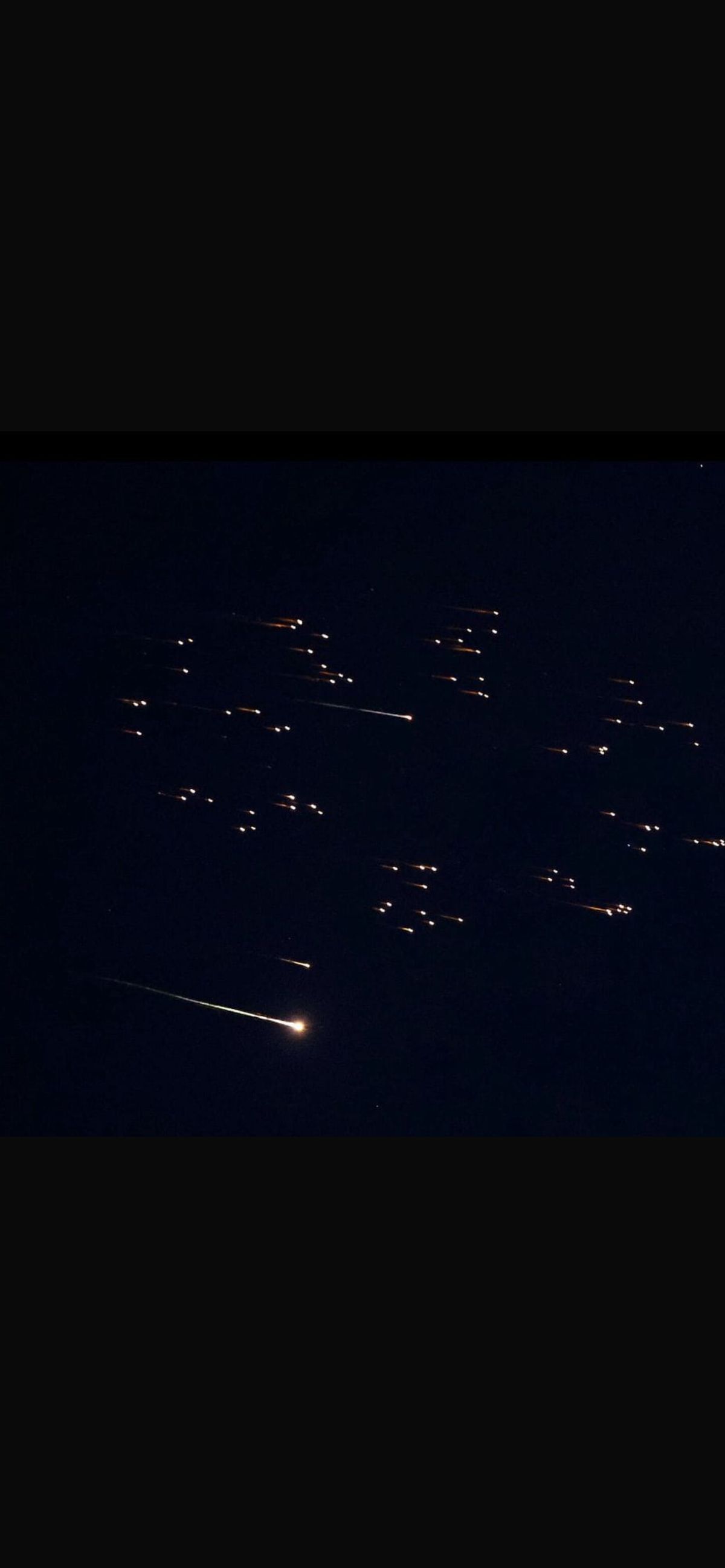
The organization said it had confirmed at least three instances in which Iran launched ballistic missiles carrying cluster munitions toward densely populated areas in Israel. The attacks resulted in civilian casualties, including an elderly couple in Ramat Gan and a construction worker in Yehud.
In the latest incident, missile fragments from a cluster munition strike landed near a parking lot close to the Kirya military headquarters in Tel Aviv following a barrage on central Israel.
“Iran’s use of cluster munitions in populated areas in Israel poses a foreseeable and long-lasting danger to civilians,” said Patrick Thompson, a researcher at Human Rights Watch. He added that the wide dispersal of submunitions makes them inherently indiscriminate.
The IDF Home Front Command previously assessed that a significant portion of Iranian ballistic missiles used in the conflict have carried cluster munitions, marking an escalation compared to earlier phases of fighting in 2025.
Cluster munitions release multiple small explosive devices over a wide area, increasing the likelihood of civilian harm. Some of the submunitions detonate on impact, while others can remain unexploded and pose ongoing risks.
Neither Israel nor Iran is a signatory to the 2008 Convention on Cluster Munitions, meaning there is no blanket treaty prohibition applicable to both countries. However, experts note that their use in populated areas may still violate customary international law due to the inability to distinguish between military and civilian targets.