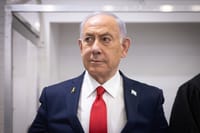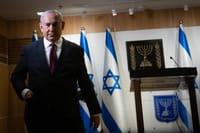
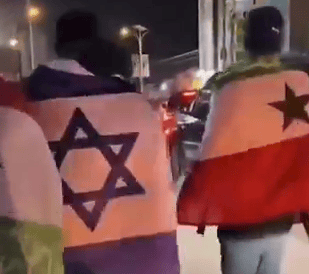
Israeli Prime Minister Benjamin Netanyahu announced that Israel has formally recognized Somaliland, a self-declared republic in northern Somalia, as a sovereign state, making it the first United Nations member to do so. The move, framed as an extension of the Abraham Accords' spirit of regional cooperation, comes amid heightened tensions in the Horn of Africa and could reshape Israel's strategic footprint in the volatile Red Sea area.
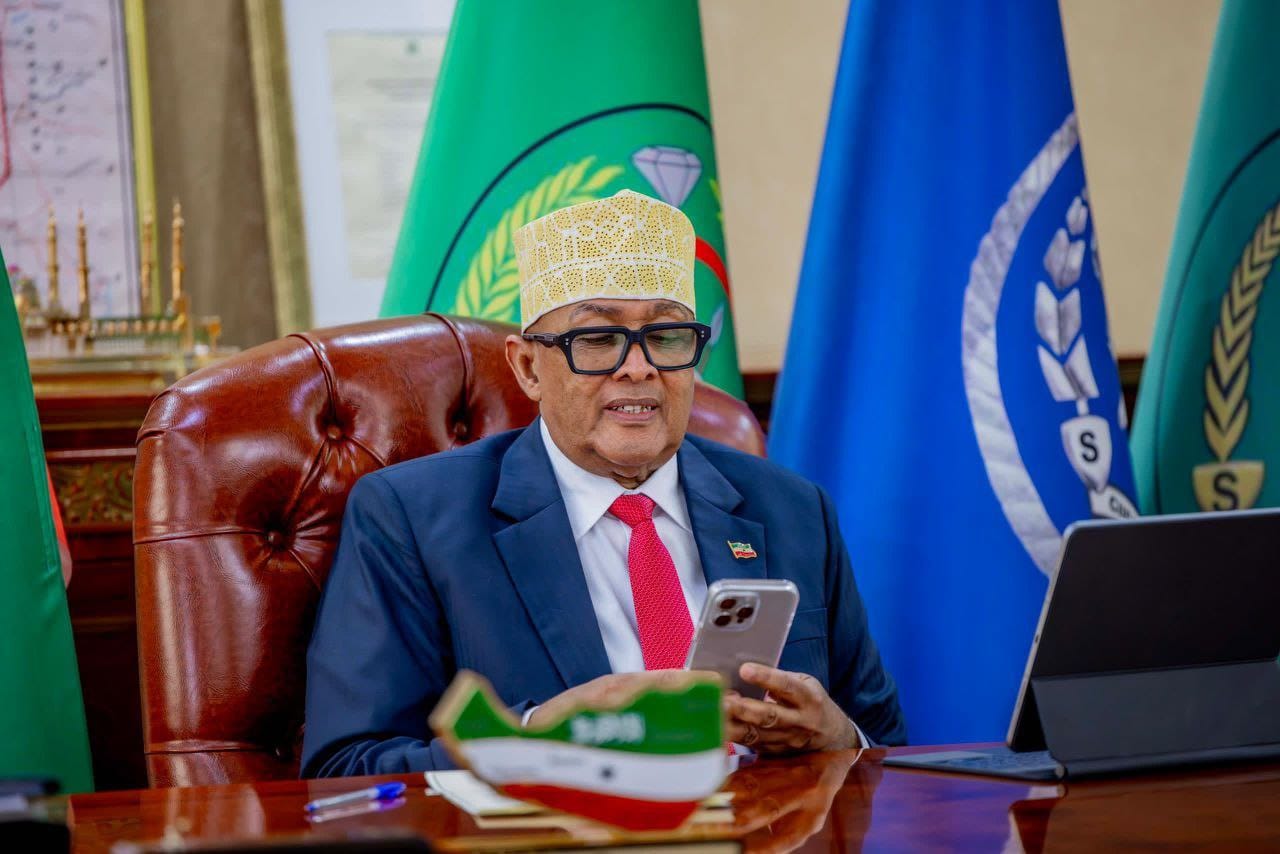
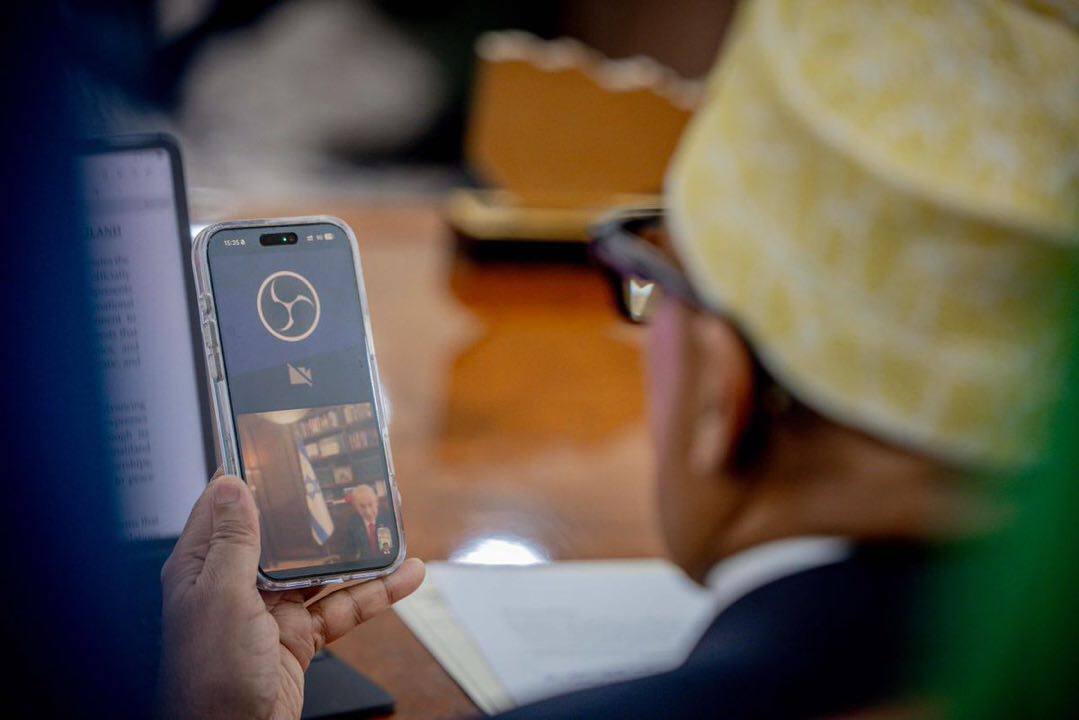
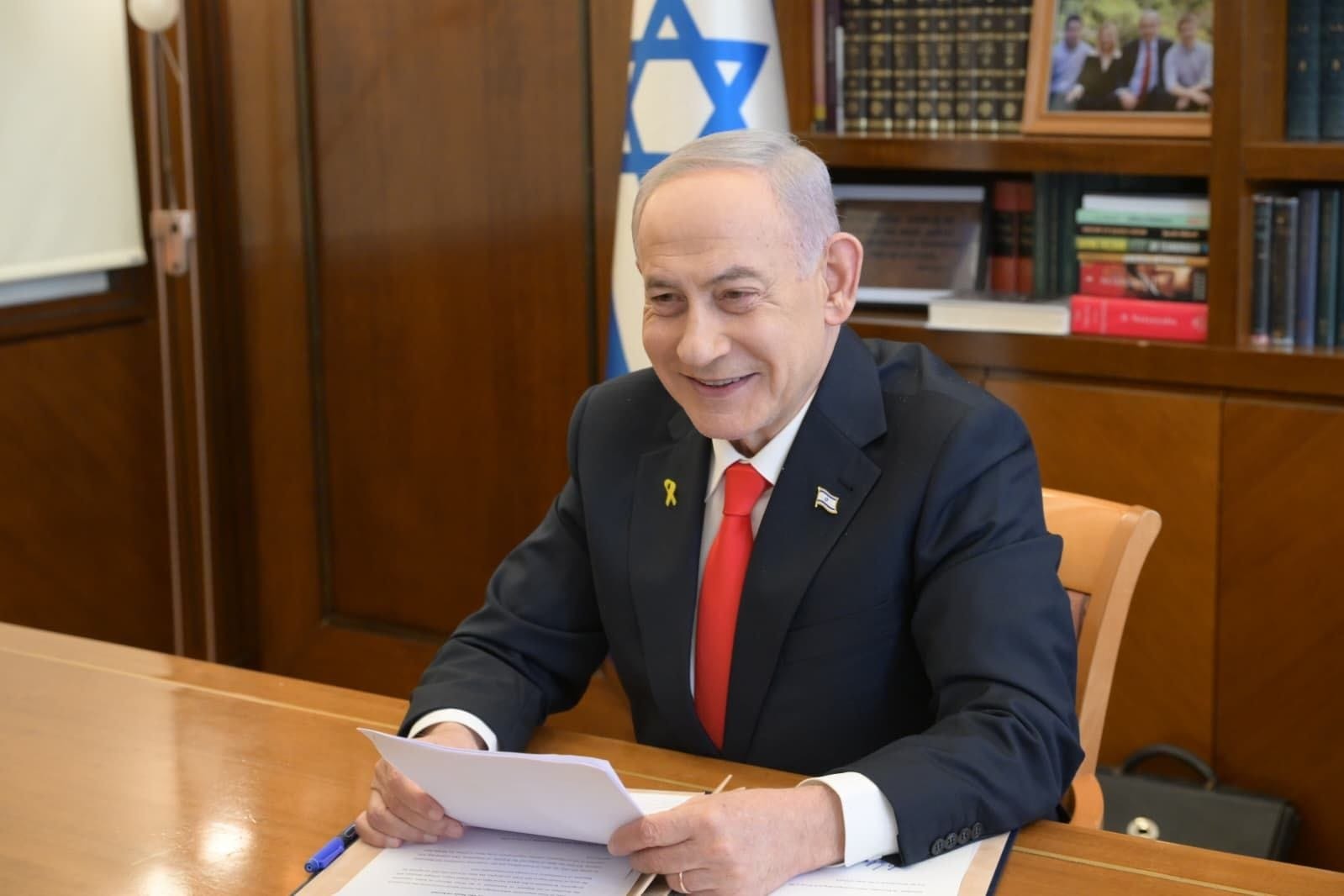
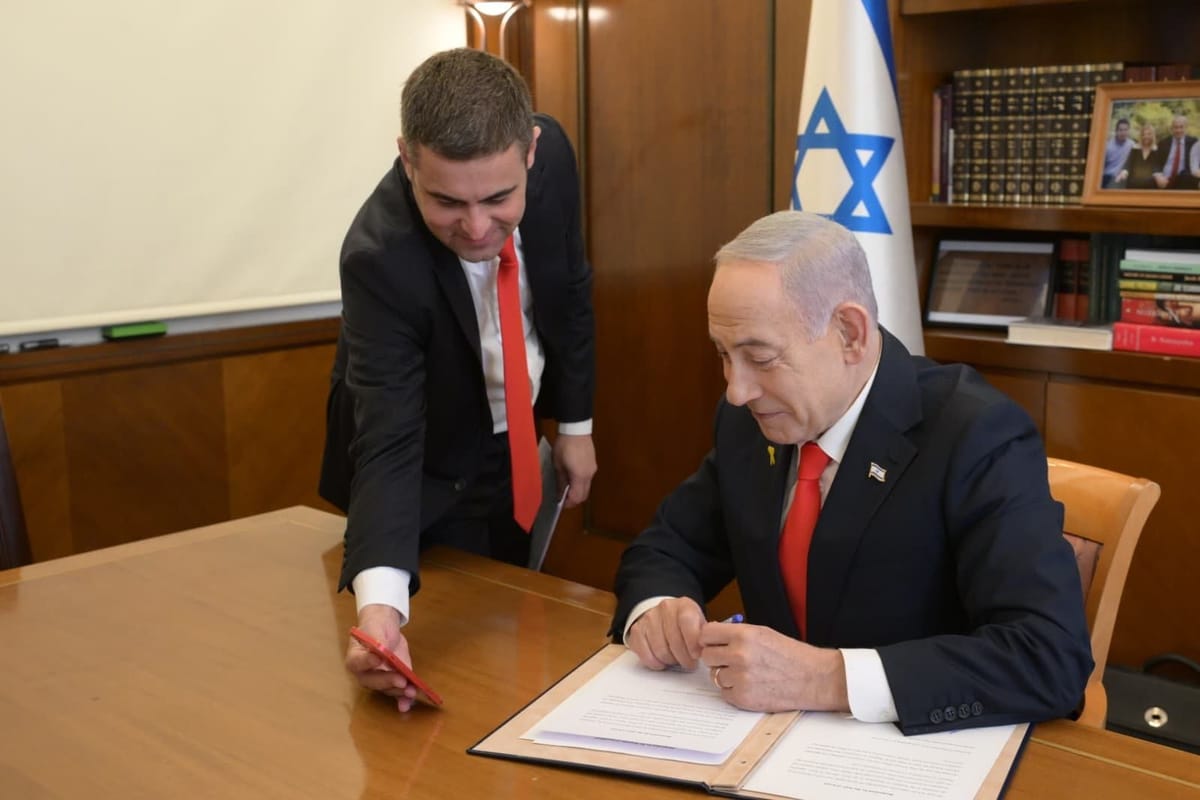
Netanyahu personally congratulated Somaliland President Muse Bihi Abdi during a phone call, where the two leaders signed a joint declaration of mutual recognition. "Israel recognizes Somaliland as an independent country, and we are committed to working together for peace, stability, and prosperity," Netanyahu stated, highlighting potential economic and security partnerships.
Somaliland, which declared independence from Somalia in 1991 after a brutal civil war, has operated as a de facto state with its own government, elections, currency, and armed forces for over 34 years. Despite its relative stability compared to war-torn Somalia, it has lacked international recognition, with the global community prioritizing Somalia's territorial integrity under UN auspices.
The region's strategic location along the Gulf of Aden, near the Bab el-Mandeb Strait—a critical shipping lane disrupted by Yemen's Houthi rebels, has drawn increasing foreign interest.Analysts suggest Israel's decision is motivated by geopolitical strategy, including countering Iranian influence and Houthi threats in the Red Sea. Somaliland's port of Berbera could serve as a hub for intelligence sharing, military cooperation, or even basing operations, reducing Israel's dependence on facilities in nearby Djibouti. Earlier unconfirmed reports from 2025 hinted at discussions about resettling Palestinians from Gaza in Somaliland in exchange for recognition, though Netanyahu's office has not addressed these claims.