
Diplomatic Resilience
Somaliland Stands by Israel Alliance
•middleeast•1


Comprehensive coverage of Somaliland's quest for international recognition, political developments, and regional significance in the Horn of Africa
Somaliland is a self-declared independent state located in the Horn of Africa, occupying the northwestern portion of what is internationally recognized as Somalia. Since declaring independence from Somalia in 1991, Somaliland has maintained its own government, currency, military, and passport system, operating as a de facto independent nation despite lacking formal international recognition. The territory covers approximately 176,000 square kilometers and has a population of around 5.7 million people, with its capital in Hargeisa.
The quest for international recognition remains Somaliland's most significant political challenge and foreign policy priority. While the region has demonstrated relative stability, democratic governance, and peaceful power transitions compared to its neighbors, no United Nations member state has formally recognized Somaliland's sovereignty. This lack of recognition limits Somaliland's access to international financial institutions, bilateral aid agreements, and global diplomatic forums, despite its functional government institutions and constitutional framework.
Somaliland's political system operates as a hybrid of traditional clan-based governance and modern democratic institutions. The territory has successfully conducted multiple presidential, parliamentary, and local elections since 2001, with peaceful transfers of power between different political parties. The bicameral parliament consists of the House of Representatives and the House of Elders (Guurti), which incorporates traditional clan leadership into the legislative process, creating a unique governance model that balances customary law with contemporary democratic principles.
The strategic importance of Somaliland has grown significantly due to its location along the Gulf of Aden, one of the world's busiest shipping lanes. The Port of Berbera serves as a crucial maritime gateway, attracting international investment and development partnerships, particularly from Gulf states and international port operators. This strategic positioning has made Somaliland an important player in regional security, counter-terrorism efforts, and maritime trade routes connecting Africa, the Middle East, and Asia.
Relations between Somaliland and the Federal Government of Somalia remain complex and contentious. Somalia maintains that Somaliland is part of its sovereign territory and opposes any moves toward international recognition. Periodic dialogue attempts between Mogadishu and Hargeisa have yielded limited progress, with fundamental disagreements over sovereignty, resource sharing, and political status preventing meaningful reconciliation. The African Union and international community generally support Somalia's territorial integrity while acknowledging Somaliland's unique circumstances.
Economic development in Somaliland faces significant challenges due to its unrecognized status, yet the territory has achieved notable progress in certain sectors. Livestock exports, particularly to Gulf countries, form the backbone of the economy, while remittances from the diaspora provide crucial financial support. Recent investments in port infrastructure, telecommunications, and energy sectors demonstrate growing international business interest, though the absence of formal recognition continues to constrain access to international development financing and trade agreements.
The international community's approach to Somaliland reflects competing priorities between supporting stability and respecting established borders. While some countries maintain informal diplomatic contacts and development partnerships with Somaliland, formal recognition remains elusive due to concerns about setting precedents for secessionist movements and the African Union's principle of respecting colonial-era boundaries. This diplomatic limbo continues to shape Somaliland's domestic politics, economic prospects, and regional relationships in the Horn of Africa.
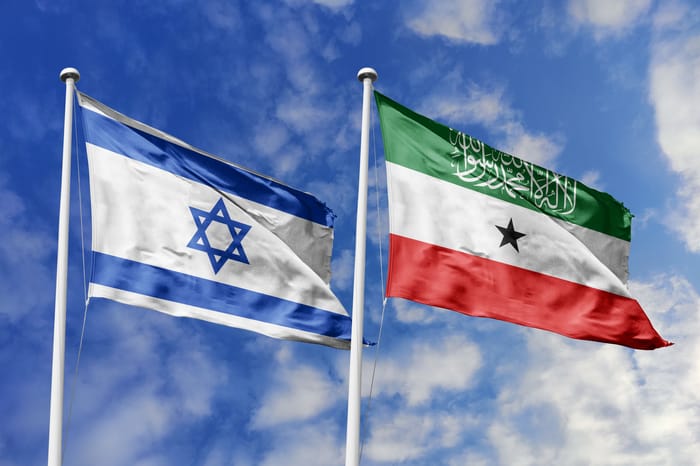
A Somaliland delegation in Israel says it wants an Israeli military presence at Bab al-Mandab and a mutual defense pact, as its president courts Washington.
Diplomatic Resilience
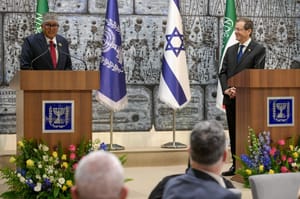
History before our eyes
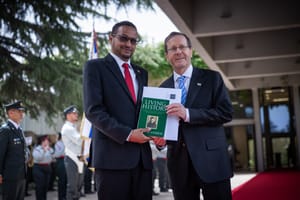
New friends
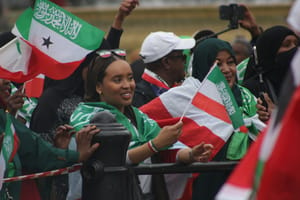
Middle East
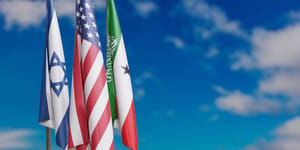
After Israeli recognition
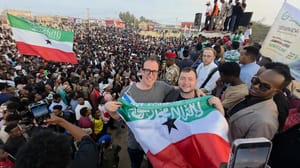
A new front
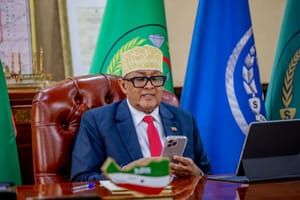
Diplomacy
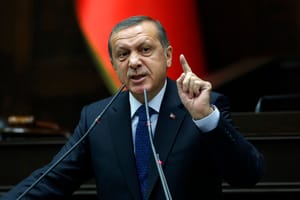
Not surprising
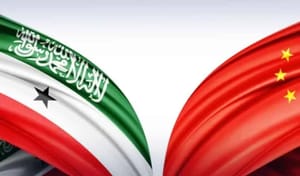
China Fumes, Taiwan Cheers

All-time low?
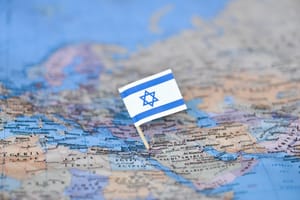
Red Sea Tensions
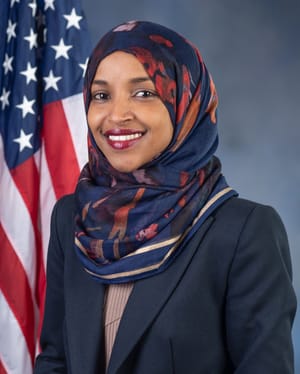
Somali Fraud Scandal

Al Houthi Escalates Tensions
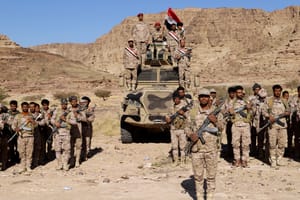
"Freedom of Action"
Red Sea Flashpoint
Independence

Strategic Gains in the Horn of Africa
Qatar is furious
Bold diplomatic maneuver